


A Clear Guide to Finding Weak Points Before They Grow
Here is a fact every property owner should know: automatic gates have caused fatal entrapment incidents when sensing or reversing protection was missing. The United States Consumer Product Safety Commission reported that stronger safety rules were created after deaths and injuries involving children. That history shows why gate security problems are not merely annoying. A fault may affect access, property protection, and personal safety at the same time. Farmers Branch owners should therefore check the whole entrance as one connected system, not just the moving gate.
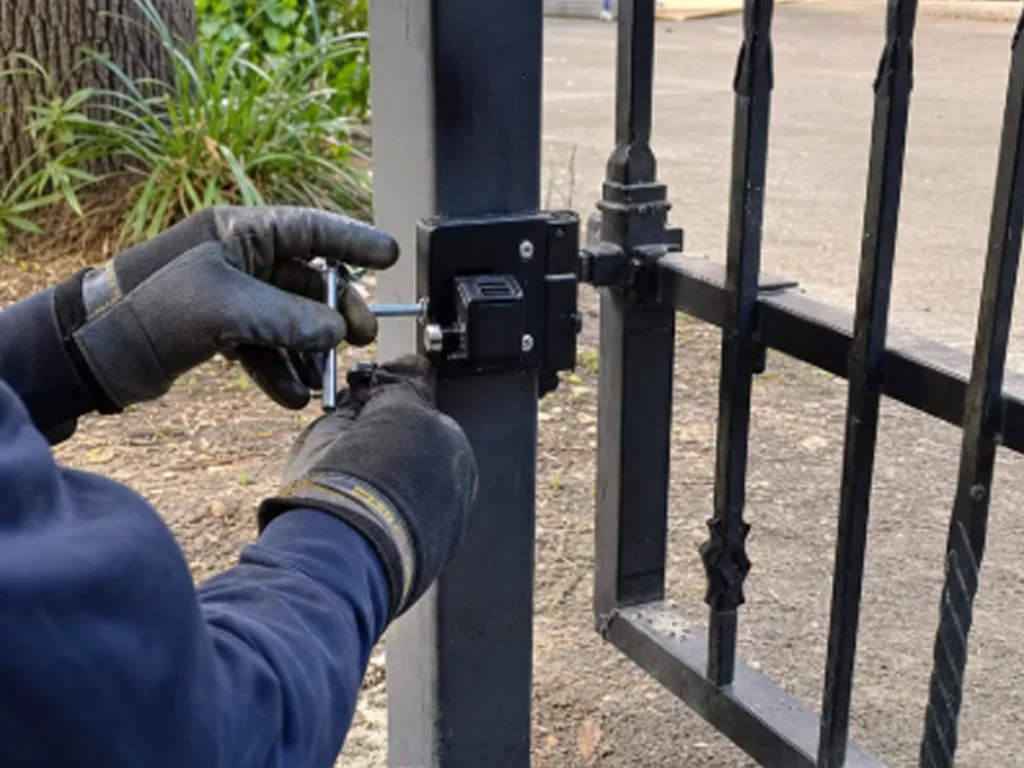
Gate security problems often begin with small signs. A gate may close slowly, stop short, open without clear cause, or accept codes that should no longer work. Rust, loose hinges, dirty sensors, weak batteries, worn rollers, damaged wiring, and poor access settings can also reduce protection. Owners can safely observe the gate, review user access, clean visible sensor faces, and record unusual behavior. However, they should not adjust springs, force settings, exposed wiring, or moving operator parts. A trained gate professional should test entrapment protection, electrical parts, structural alignment, and operator settings. Regular checks help homes, communities, and businesses find faults before a minor issue becomes a security gap or safety risk.
Why Gate Security Problems Need a Full System Check
A secure entrance depends on several parts working together. The gate leaf or panel creates the barrier. Meanwhile, hinges, rollers, tracks, posts, locks, controls, sensors, and the operator guide each movement. One weak part can lower the value of every other part.
Property owners should begin with two simple goals:
- Confirm that the gate controls access as intended during normal daily use.
- Confirm that its safety devices respond correctly without anyone entering the moving path.
The second goal deserves special care. UL also explains that correct installation affects the safety of the entire system. Therefore, a visual check is helpful, but it does not replace a qualified test.
Check Whether the Gate Fully Closes and Secures
A visible gap at the closed edge is one of the clearest gate security problems. The cause might be debris, a shifted limit setting, worn hardware, poor alignment, or damage. Yet the result is similar: the gate may look closed while the entrance remains easier to push, lift, or pass through.
Watch several complete cycles from a safe place. Note whether the gate reaches the same closed point each time. Also listen for a latch that fails to engage or an operator that keeps running after movement stops.
Look for these warning signs:
- The gate stops before the latch, receiver, or closed post.
- The two leaves of a paired swing gate no longer meet evenly.
Never push or pull an automatic gate to test its strength while power remains active. Instead, record the gap and ask a professional to find its source. A simple limit change may not solve a bent frame, settling post, failing chain, or worn drive part.
Check for Unexpected Opening or Uncommanded Movement
A gate that opens without a known request creates an obvious access concern. Still, the cause should not be guessed. A stuck remote, damaged keypad, timer setting, exit loop, radio interference, wiring fault, or control board issue could produce similar behavior.
First, write down the time and conditions around each event. Note recent rain, nearby work, power loss, deliveries, and the remotes used that day. This record gives a technician useful clues without turning a guess into a claim.
Owners can safely review two areas:
- Check whether a remote button is trapped under another item or held down by a damaged case.
- Review approved schedules and access rules for timers, apps, keypads, and visitor systems.
If movement continues without a clear command, limit access around the gate and arrange service. Do not open the control cabinet or move exposed wires. Electrical and operator faults require the right tools, training, and manufacturer instructions.
Review Keypads, Codes, Cards, Remotes, and Apps
Access control is often the digital front door of a gated property. Therefore, unused credentials are real gate security problems even when the gate moves perfectly. Former workers, vendors, tenants, and contractors should not keep access after their need ends.
Create a current list of every person or role with entry rights. Then compare that list with active codes, cards, remotes, phone accounts, and administrator profiles. Shared codes should receive special attention because owners may not know who still has them.
A sound access review should include these actions:
- Remove old users and replace widely shared codes with individual access where the system allows it.
- Check administrator rights, event logs, alerts, time limits, and remote management accounts.
Businesses may also need access rules based on work hours or assigned areas. Homes may need temporary visitor codes rather than one permanent family code. For more context, read how gate access control upgrades can add property value when convenience and control are planned together.
Inspect Photo Eyes and Other Safety Sensors
Photo eyes often sit low beside the gate opening. Dirt, plant growth, impact, water, loose mounts, or poor alignment can affect their performance. However, a clean lens does not prove that the full safety circuit works correctly.
From outside the travel area, look for blocked views, cracked housings, leaning brackets, or exposed cable. Clean only as the manufacturer directs. Never stand in the path or use your body to test whether a moving gate will reverse.
Two safe inspection habits are useful:
- Keep shrubs, stored goods, signs, and loose waste away from sensor lines and moving parts.
- Request professional testing when an indicator changes, the gate reverses without cause, or a sensor has been struck.
The CPSC account of automatic gate safety rules explains that sensing and reversing safeguards were central to reducing entrapment risks. That guidance supports a careful response to sensor trouble rather than bypassing a device to keep the entrance moving.
Look for Pinch, Crush, and Entrapment Areas
Every moving gate creates zones where a person or object could be caught. Sliding gates can create risk near posts, rollers, openings, and the area where the gate travels. Swing gates can create risk between the gate and a wall, fence, column, or parked object.
Property changes may create a new hazard even when the original installation was sound. A new planter, sign, fence panel, storage bin, or parking space can reduce clear room beside the gate. Children may also treat a moving gate as play equipment, which is never safe.
During a visual walk, check these conditions:
- Keep pedestrian activity away from the vehicular gate path and provide a separate walk gate where appropriate.
- Make sure new objects do not create tight spaces beside any moving section.
Do not measure or test a suspected crush point while the operator is active. A qualified installer can compare the site with current instructions, the operator class, and applicable requirements. Safety depends on the complete installation, not a label alone.
Examine Hinges, Rollers, Tracks, Chains, and Guides
Mechanical wear often announces itself through sound and motion. Grinding, scraping, shaking, leaning, and uneven speed deserve attention. These signs may point to more resistance than the system was designed to handle.
For a swing gate, observe the posts, hinges, welds, and ground clearance. For a sliding gate, view the track, wheels, guide rollers, chain, and supporting frame. Stay clear while it moves, and never place a hand near a wheel, hinge, sprocket, or chain.
Visible concerns may include:
- Loose fasteners, cracked weld areas, bent guides, worn rollers, or a gate that leans.
- Stones, soil, leaves, or pavement changes that block the normal travel line.
Mechanical problems can also strain the motor and make the gate stop short. The guide to welding broken gates for long term durability explains why lasting repair begins with the reason a joint failed, not only the visible crack.
Find Rust, Rot, Cracks, and Loose Fence Connections
A gate is only as secure as its frame, posts, and nearby fence. Rust may thin steel around hinges, latches, or welds. Wood may split, soften, or pull away from fasteners after repeated weather exposure. Masonry and concrete supports may also crack or shift.
Surface marks do not always reveal the depth of damage. Therefore, avoid claiming that a post or frame is sound based only on paint. Look for change over time, movement at connections, and areas where water stays after rain.
Check these points in daylight:
- Inspect the lower frame, fastener points, latch area, post bases, and connections to the fence.
- Note fresh cracks, flaking metal, loose boards, open seams, or a sudden change in gate level.
If the gate leans, binds, or has a cracked structural joint, stop unnecessary cycles until it is assessed.
Check Locks, Latches, Stops, and Manual Release Security
The closed gate must remain secured after the operator stops. A worn latch, loose receiver, missing stop, or easy to reach manual release may weaken that final barrier. However, emergency release access must still follow the operator maker’s instructions and local response needs.
Observe whether a latch seats fully without bouncing back. Also check whether the physical stop is firm and correctly placed. For paired gates, confirm that each leaf closes in the intended order.
Owners should verify two things:
- The manual release remains protected from casual outside reach while authorized people can use it when needed.
- Locks and latches do not interfere with safe operator movement or emergency procedures.
Never add a padlock or improvised block to an automatic gate unless the system is designed for it. An unplanned lock can damage the operator or create an unsafe movement when someone sends an open command.
Confirm Power, Battery Backup, and Surge Protection
A power problem can become an access problem during a storm or outage. Batteries lose capacity with age and heat. Corroded terminals, damaged conduit, poor charging, or an undersized backup may also reduce expected operation.
Ask what the property needs during lost power. A home may need reliable resident entry. Meanwhile, a business may need a defined plan for staff, visitors, deliveries, and emergency access. The correct answer depends on the operator and site.
Include these items in a service check:
- Confirm battery condition, charging performance, backup function, and the age marked on replaceable batteries.
- Inspect surge protection, grounding, sealed connections, conduit, and any solar charging parts as applicable.
Owners should not open live equipment or touch damaged electrical parts. If a cabinet shows heat damage, water entry, a burning smell, or repeated breaker trips, stop use and seek qualified help promptly.
Test Intercoms, Cameras, Alerts, and Event Records
A gate can block vehicles while still giving poor information to the person approving entry. A weak camera view, failed microphone, delayed alert, wrong clock, or missing event record can lead users to admit someone without enough context.
Test communication from the normal visitor position. Confirm that the person answering can hear, see, and identify the visitor before release. At night, check the actual image rather than assuming the daytime view remains useful.
Review these functions:
- Confirm that calls reach the correct people and that old staff or resident accounts no longer receive them.
- Check camera angle, lighting, stored event times, alert delivery, and the process used when the network fails.
For a closer look at connected entry systems, see how gate intercom systems may support Farmers Branch property value. Any device connected to a network should also use supported software, strong account protection, and controlled administrator access.
Review Tailgating and the Daily Entry Process
Technology cannot fix a weak routine by itself. Tailgating occurs when an unauthorized vehicle follows an approved vehicle through an open gate. Long hold times, poor sight lines, unclear signs, and staff pressure can make this easier.
Watch normal traffic without changing the system. Note how long the gate stays open, where cars queue, and whether drivers can see instructions. Also ask how visitors, delivery drivers, contractors, and emergency respondents are handled.
Useful process improvements may include:
- Give each user clear instructions and discourage sharing codes or allowing unknown vehicles to follow.
- Set a visitor process that verifies identity without creating an unsafe traffic backup.
A professional should decide whether timing or detection settings need adjustment. Closing a gate too quickly can create a safety risk, while leaving it open too long may weaken access control. The correct balance depends on traffic, equipment, safety devices, and site design.
13. Check Pedestrian Access and Emergency Needs
Vehicular gates are built for vehicles, not for people walking through the moving opening. A property should guide pedestrians toward an appropriate separate route where the site calls for one. That route should remain usable for its intended users.
Emergency planning matters as well. Fire, medical, police, property management, and utility access may depend on local rules and the property’s approved plan. Owners should verify those needs with the relevant authority rather than copying another site’s setup.
During the review, ask:
- Is there a clear pedestrian path that does not invite people into the vehicle gate travel area?
- Is the emergency access method current, documented, protected, and known by responsible staff or residents?
The United States Access Board provides official guidance on accessible entrances, doors, and gates. Applicability varies by property and project, so owners should obtain qualified advice for their exact site.
14. Know What Owners Can Check and What Experts Should Handle
Owners play an important role because they see the gate every day. They can observe movement from a safe place, remove loose debris when the gate is disabled as directed, review credentials, and report changes. They should also keep children and visitors away from moving parts.
However, some work should remain with trained professionals. Gate operators can contain electrical energy, heavy moving parts, stored force, and settings tied to safety performance. A trial and error adjustment can create a new risk.
Call for professional help when you notice:
- Uncommanded motion, failed closing, collision, structural damage, exposed wiring, water inside controls, or repeated power faults.
- A sensor fault, missing safety device, unusual force, severe noise, gate derailment, broken hinge, chain trouble, or damaged manual release.
A professional gate diagnostic should examine the system as a whole. That includes the structure, operator, controls, safety devices, access tools, travel limits, and site conditions. Readers can learn more about what to expect during a professional gate diagnostic before booking an assessment.
Keep a short maintenance record with dates, symptoms, weather, service work, battery age, and test results. That history helps a technician find repeat faults without exposing access codes.
Conclusion: Fix Gate Security Problems Before They Spread
Gate security problems rarely stay limited to one part. A dragging wheel may strain an operator. A weak battery may interrupt access during an outage. An old code may defeat a strong barrier. A blocked sensor may affect safe travel.
Therefore, Farmers Branch property owners should combine regular observation, careful access reviews, clear visitor rules, and qualified service. Start with the closed position, unexpected movement, user credentials, sensors, moving hardware, structure, power, and emergency access. Then document every concern without guessing at its cause.
Everlast Gates & Fence can assess residential and commercial gate systems in Farmers Branch. The team can identify the source of a problem, explain practical options, and help owners plan repairs or upgrades around security, safety, and daily use.
Frequently Asked Questions
What are the most common automatic gate problems?
Common signs include failure to open or close, stopping short, unexpected reversal, slow movement, unusual noise, keypad failure, remote trouble, and sensor alerts. These symptoms can have several causes, including obstruction, worn hardware, access settings, power faults, or operator issues. A qualified inspection is the safest way to identify the actual cause.
Why does my automatic gate open by itself?
A gate may open after a valid timer, exit sensor, remote, app command, or access rule. It may also respond to a stuck transmitter, control fault, wiring issue, or other problem. Record the time and conditions, review authorized schedules, and seek service if no valid command explains the movement.
How do I know if my gate sensor is bad?
Possible signs include an active fault light, repeated reversal, failure to close, visible damage, a loose mount, or a blocked sensor path. Still, those signs do not prove the sensor itself has failed. Keep clear of the travel area and ask a trained professional to test the full safety circuit.
How often should an automatic gate be serviced?
There is no single schedule for every gate. The right interval depends on the manufacturer, gate type, cycle count, weather, site conditions, and past faults. Follow the equipment instructions and a qualified service plan. Busy commercial entrances often need more frequent attention than lightly used residential systems.
Can I repair an automatic gate myself?
Owners can usually perform limited tasks allowed by the manufacturer, such as reviewing access users or cleaning an accessible sensor face. They should not adjust force, limits, springs, chains, live wiring, or safety circuits without proper training. Heavy movement and electrical parts can create serious hazards, so uncertain work belongs with a professional.
Call Everlast Gates & Fence
Do not wait for a small access fault to become a larger security or safety concern. Ask Everlast Gates & Fence for a careful gate assessment in Farmers Branch.
Phone: 469 813 8801
Location: 4099 McEwen Rd # 307, Farmers Branch, TX 75244
