


Gate Diagnostics & Troubleshooting in Dallas-Fort Worth
Everlast Gates & Fence provides diagnostic service for automatic, electric, swing and sliding gates across the Dallas-Fort Worth Metroplex. We inspect the gate structure, movement, operator, locks, tracks, hinges, controls and related components to help identify the source of operating problems before repair decisions are made.
How Gate Diagnostics Help Identify the Real Problem
A gate that makes unusual noise, moves unevenly, stops during travel or fails to close correctly can have more than one possible cause. The problem may come from the gate structure, hardware, track, hinges, operator, power, controls or access-control equipment.
A systematic inspection helps separate mechanical issues from operator or control problems so repair work can focus on the actual source of the failure.
- Gate will not open or close
- Gate stops or reverses during travel
- Grinding, straining or unusual noise
- Gate is dragging, binding or misaligned
- Sliding gate track or roller problems
- Motor or operator performance issues
- Lock, latch or access-control problems

What We Check During Gate Troubleshooting
The existing page focuses on five important areas: locks, the gate frame, slide rails, hinges and the motor. Those checks are preserved here in a clearer diagnostic sequence.
Locks & Latches
Locks and latches are checked to see whether the gate closes and secures correctly. A locking problem may be caused by damaged hardware, poor alignment or another gate movement issue.
Gate Frame
The frame is checked for visible damage, distortion or alignment problems that can affect how the gate closes, meets the latch or moves through its normal path.
Guide, Track & Rollers
Sliding gates depend on a clear, aligned travel path. Tracks, guide hardware and rollers should be inspected for damage, obstruction, wear or movement problems.
Hinges & Pivot Points
Swing-gate hinges and pivot points are checked for wear, binding, corrosion and movement that may place extra resistance on the gate or operator.
Gate Motor & Operator
The operator is evaluated for response, movement and signs that it may be struggling against a mechanical problem elsewhere in the gate system.
Controls & Access Equipment
When relevant, troubleshooting can also include controls, remotes, keypads, intercoms or other access-control equipment connected to the gate system.
Gate Diagnostics in Dallas
For Dallas-specific service information, visit our gate repair and automatic gate services in Dallas, TX.
Checking Gate Locks and Closing Position
The current page begins its diagnostic process with the locks. If the gate does not meet the latch or lock in the correct position, the lock itself may not be the only issue. Frame alignment, hinge movement, track condition or operator travel can also affect where the gate stops.
That is why the locking hardware and the way the gate closes should be evaluated together instead of treating each component in isolation.
Frame, Track, Hinges & Gate Movement
Gate movement problems can increase resistance and make an operator appear to be failing even when the underlying problem is mechanical.
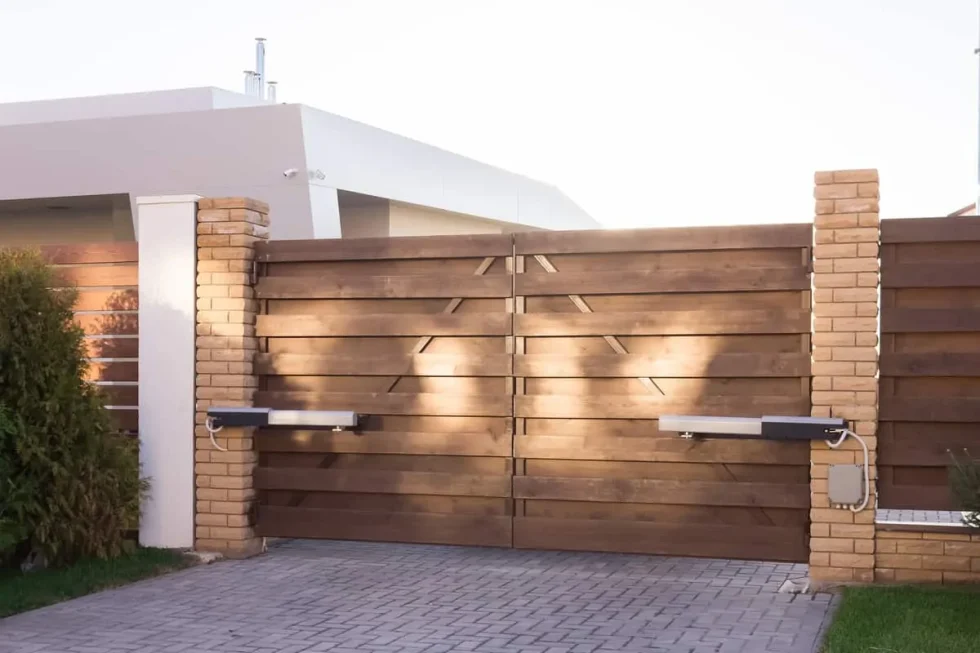
Frame & Alignment
A bent, shifted or poorly aligned gate can affect closing position, locks, hinges and the load placed on the operator.
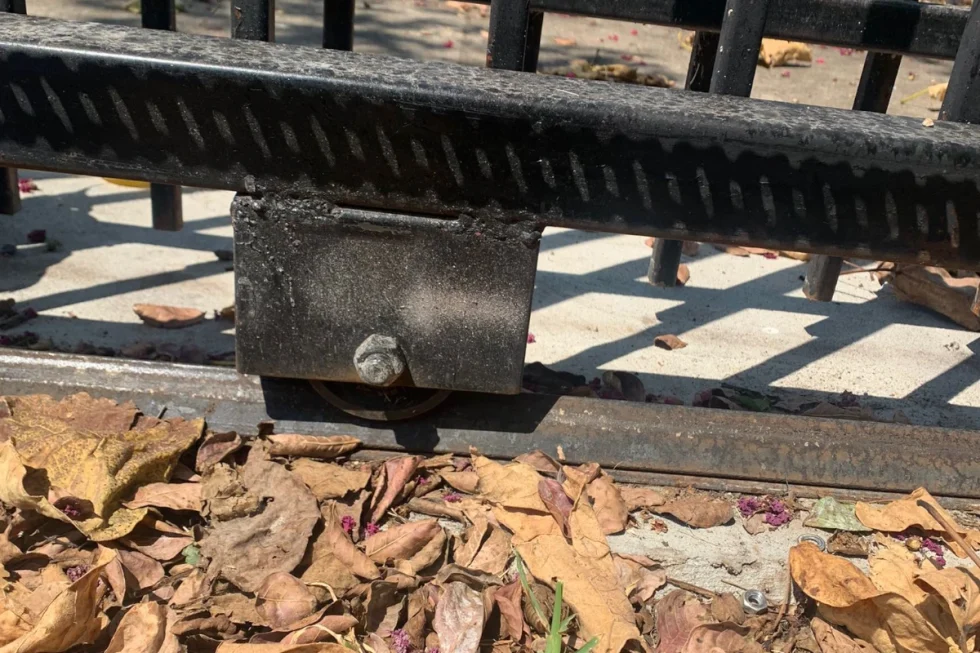
Slide Rail & Rollers
Sliding gate tracks, guides and rollers should move freely and stay aligned through the gate's travel path.
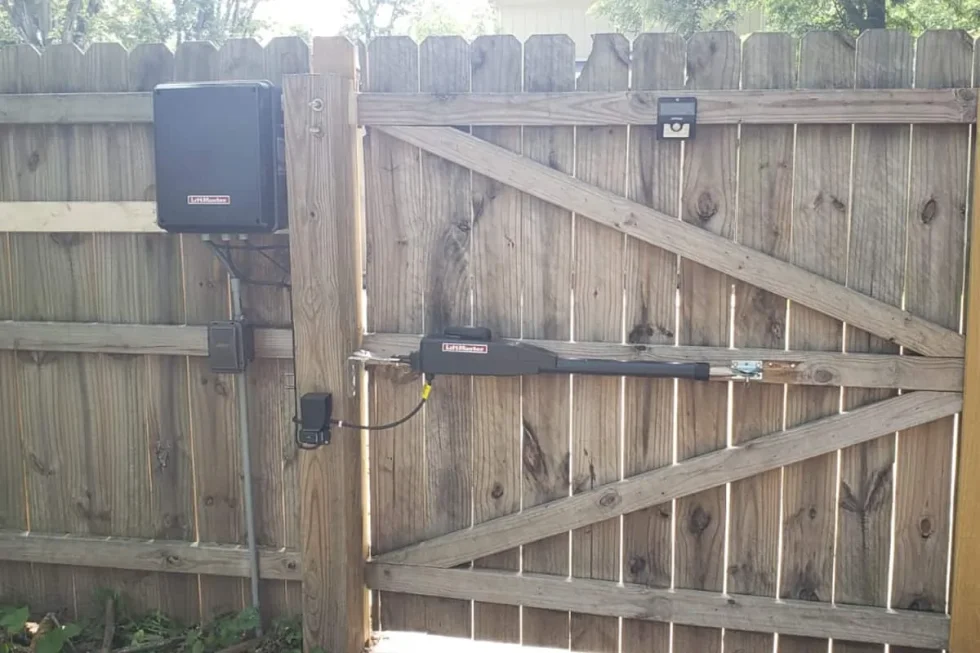
Hinges & Swing Movement
Hinges and pivot hardware are checked for binding, wear or damage that can make a swing gate harder to move.
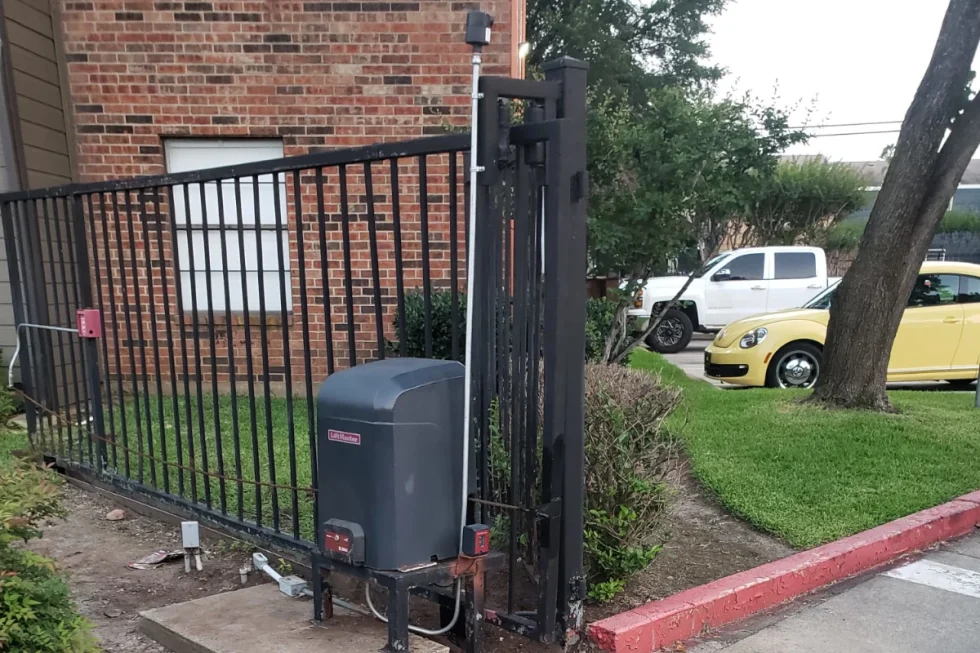
Diagnosing the Gate Motor & Operator
The motor or gate operator should be evaluated together with the gate itself. If the gate is dragging, the track is damaged or the hinges are binding, the operator may be forced to work against additional resistance.
Troubleshooting may also involve the power supply, operator controls, travel behavior, safety devices and connected access equipment, depending on the symptoms.
For manufacturer-specific operator information, see our gate opener brands we repair and install.
What Happens After the Problem Is Identified?
Once the likely source of the problem is identified, the next step depends on which part of the gate system is affected.
Gate Repair
Mechanical, alignment, hardware and gate-movement problems may require repair before normal operation can be restored.
Gate repair servicesAutomatic Gate Service
Operator, automation or movement issues may require automatic gate service or equipment replacement.
Automatic gate servicesElectric Gate Service
Powered gate systems may need troubleshooting of the operator, controls or related electrical components.
Electric gate servicesAccess Control
Keypads, intercoms and other entry devices may need service when the gate itself is operating normally but access commands are not.
Gate access controlRelated Gate Repair & Automation Services
Need Gate Troubleshooting in Dallas?
Visit the Dallas gate repair and installation page for Dallas location information and related automatic-gate services.
Request Gate Diagnostic Service
Contact Everlast Gates & Fence if your gate is noisy, misaligned, stopping during travel, failing to open or close, or showing other signs of an operator or mechanical problem.