


Linear Gate Opener Repair & Installation
Everlast Gates & Fence provides Linear gate opener repair, installation, replacement, and diagnostics for residential and commercial automatic gate systems throughout the Dallas–Fort Worth Metroplex.
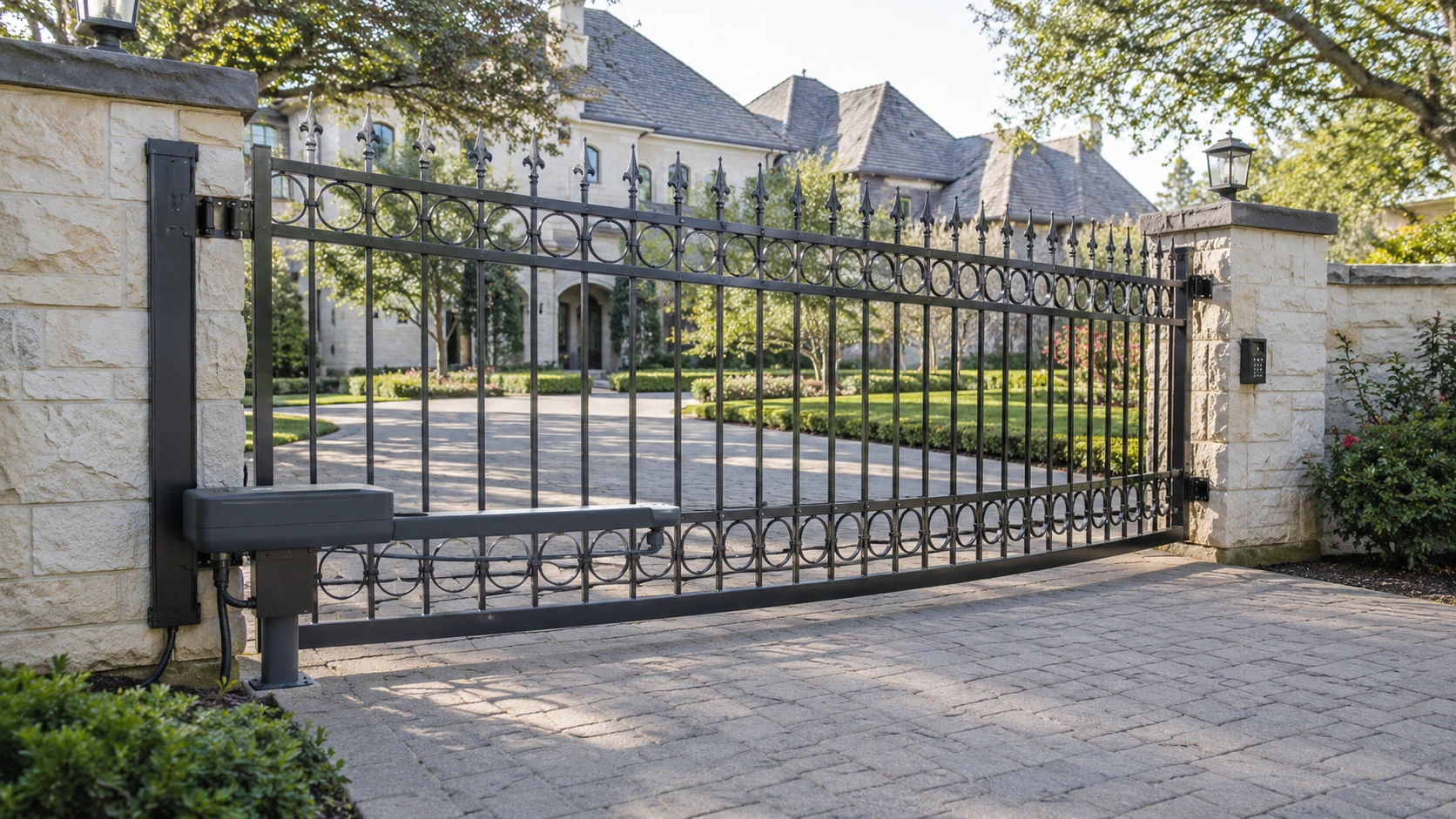
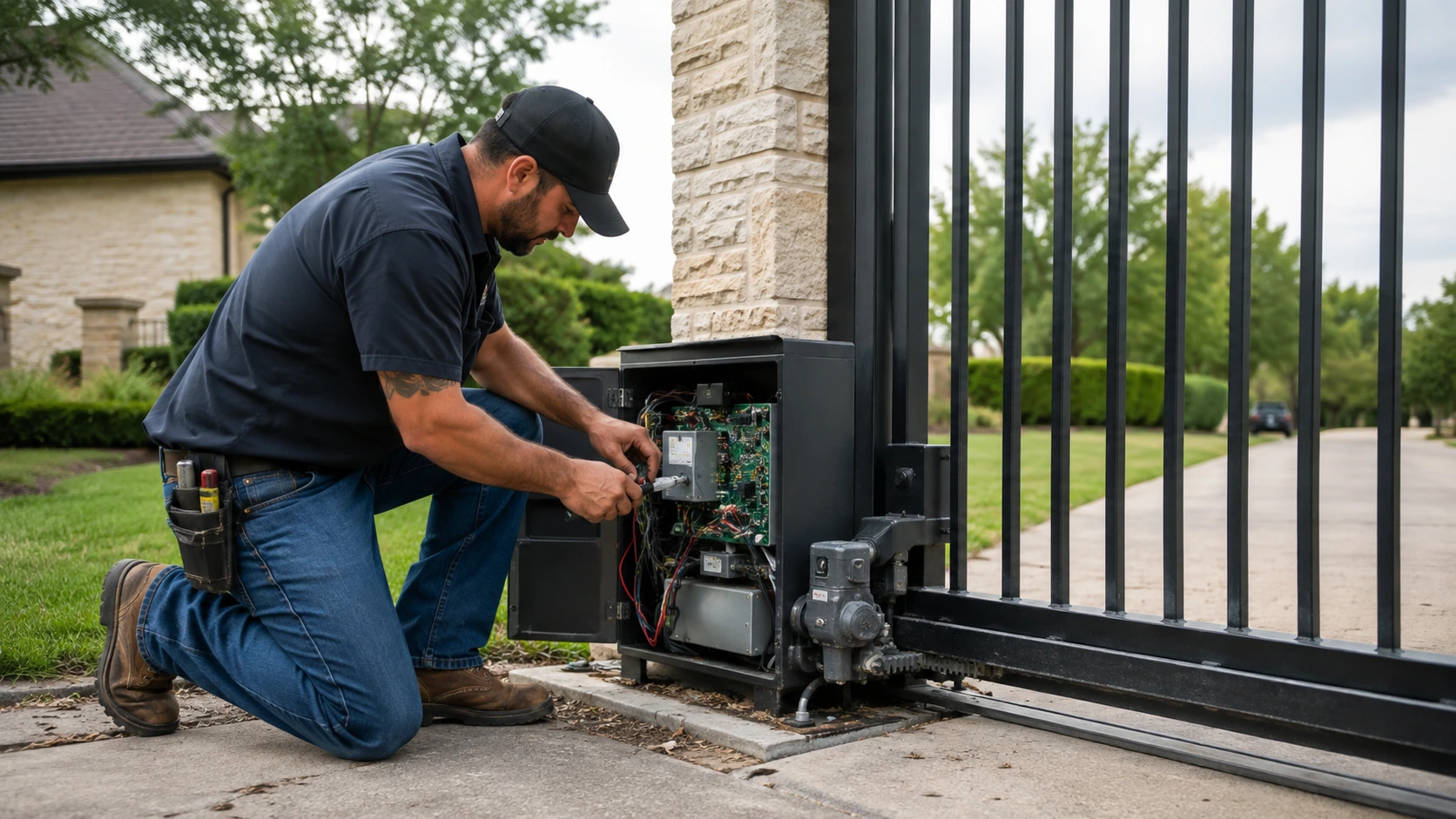
Diagnosing Linear Automatic Gate Problems
When an automatic gate stops working correctly, the gate operator is only one possible source of the problem. Gate alignment, hinges or tracks, power, wiring, controls, safety devices, entry equipment, and the physical condition of the gate can all affect operation.
Everlast Gates & Fence evaluates the complete gate system before recommending repair or replacement so the underlying issue can be identified first.
- Linear gate opener not responding
- Gate stops before fully opening or closing
- Unexpected gate reversal
- Intermittent automatic gate operation
- Electrical or control problems
- Power or wiring issues
- Safety-device problems
- Remote, keypad, or access-control issues
Common Linear Gate Opener Problems We Inspect
Similar symptoms can originate from different parts of an automatic gate system. Inspecting the gate, operator, controls, power, safety devices, and access equipment helps identify the source of the issue.
Gate Will Not Activate
Power, controls, wiring, safety equipment, access devices, or operator components may prevent gate activation.
Gate Stops Mid-Cycle
Mechanical resistance, alignment, safety detection, controls, or operator issues may interrupt gate travel.
Gate Moves Abnormally
Gate condition, mechanical resistance, power conditions, or operator components can affect normal movement.
Gate Reverses
Safety devices, obstructions, resistance, or system settings may cause an unexpected reversal.
Entry Controls Fail
Keypads, remotes, intercoms, receivers, wiring, or programming may need to be inspected.
Recurring Gate Problems
Repeated failures may indicate a broader mechanical, electrical, operator, access-control, or compatibility problem.
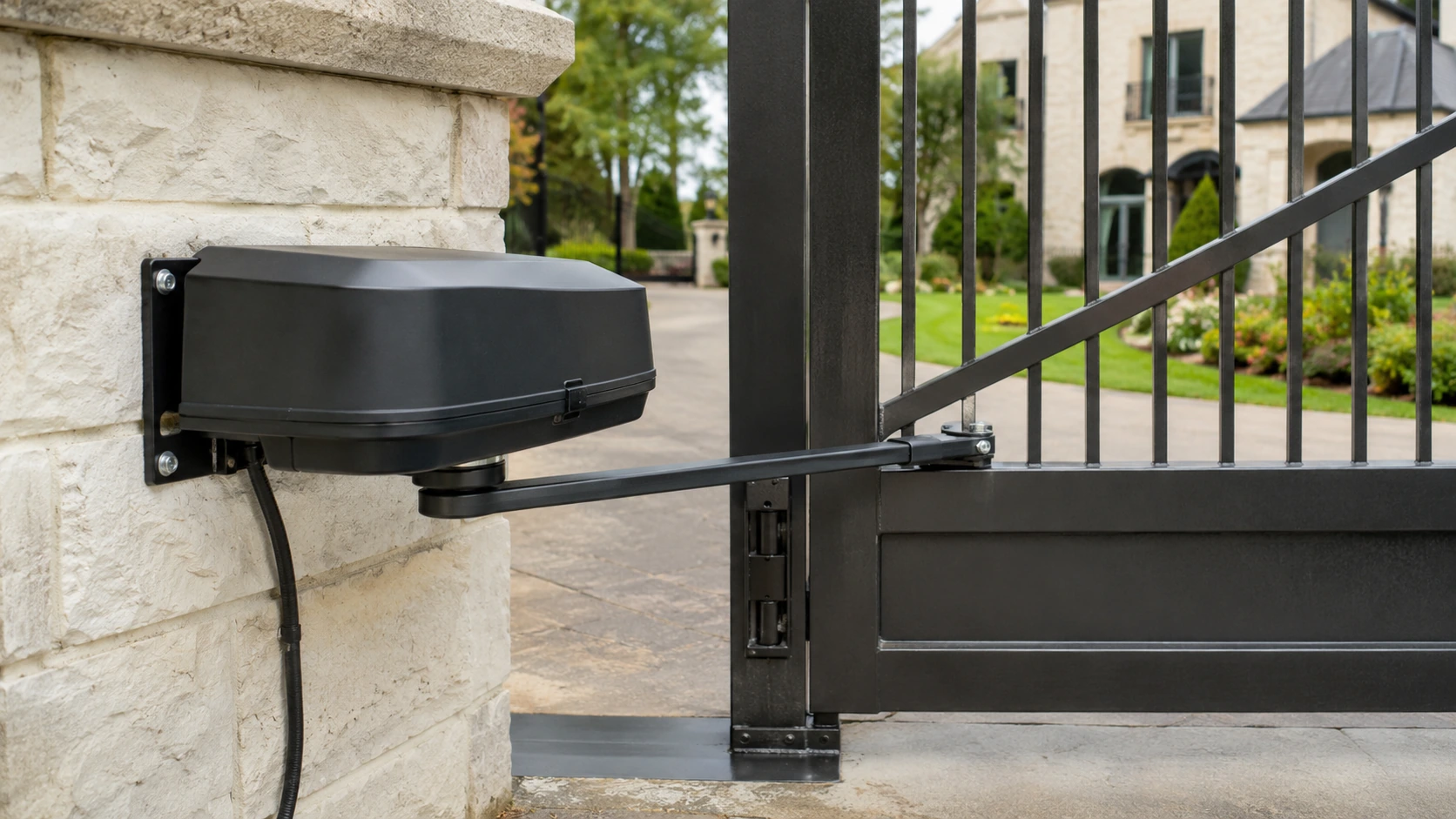
New Linear Gate Operators and Replacement Systems
Automatic gate equipment should be selected according to the gate and property rather than by brand name alone. Gate type, size, movement, condition, expected usage, available space, power, safety requirements, and access-control needs can all affect the correct setup.
Everlast Gates & Fence can evaluate new automatic gate installations, existing gates being automated, and systems where an older or unsuitable operator needs replacement.
- New automatic gate opener installation
- Replacement gate operator installation
- Residential driveway gate automation
- Commercial automatic gate systems
- Swing gate automation
- Sliding gate automation
- Safety-device integration
- Access-control integration
Linear Operators for Swing and Sliding Gates
Swing and sliding gates require different mechanical layouts, clearances, and operator configurations. The physical gate should move correctly before operator performance or installation is evaluated.
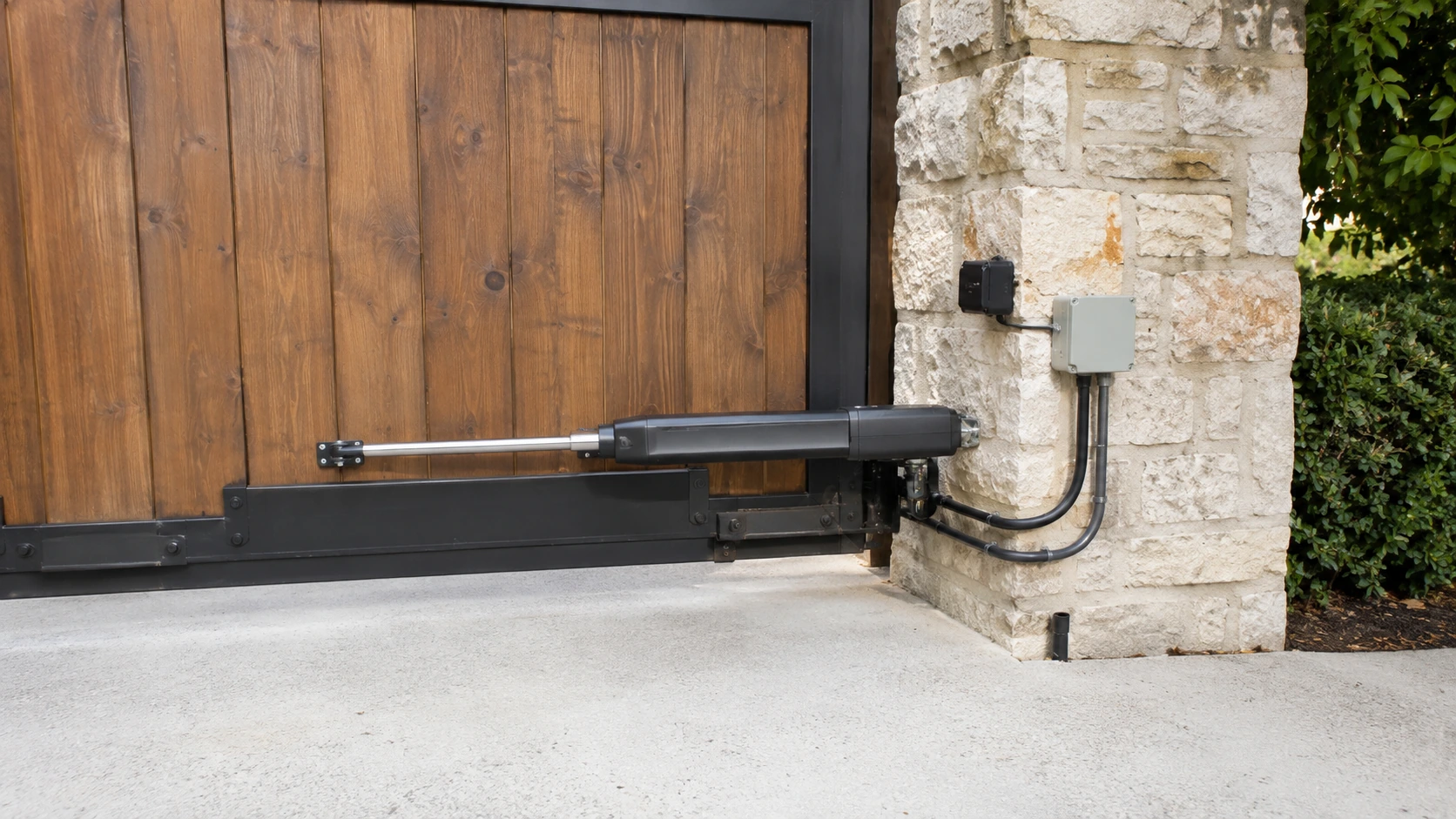
Linear Swing Gate Operators
Swing gate automation depends on gate alignment, hinge condition, movement clearance, gate geometry, operator positioning, expected use, and appropriate safety equipment. Mechanical resistance can affect automatic operation.
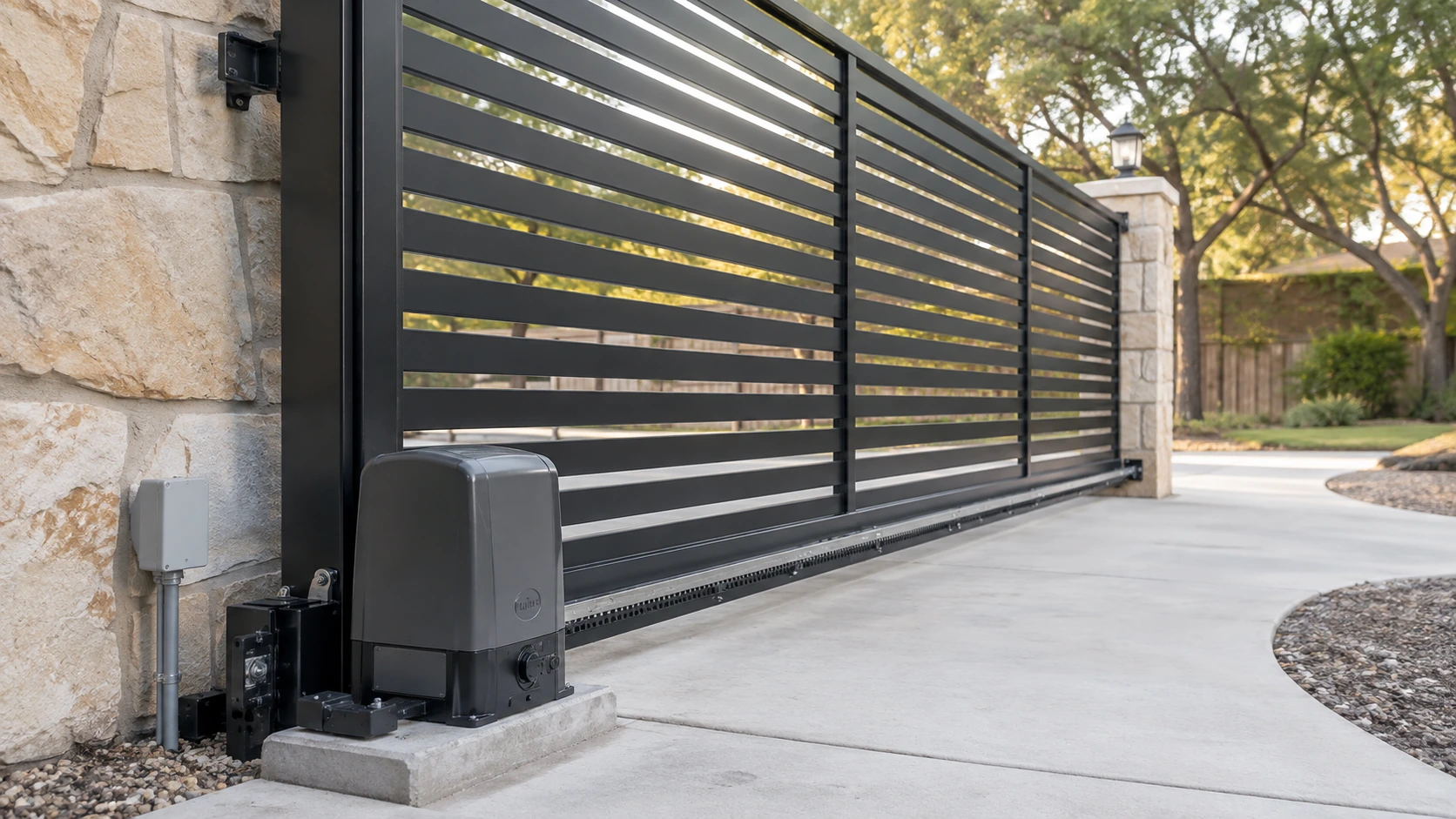
Linear Sliding Gate Operators
Sliding gates depend on clear travel, alignment, tracks or guiding components, adequate side clearance, correct operator placement, and safety devices. Resistance in the gate itself can affect operator reliability.
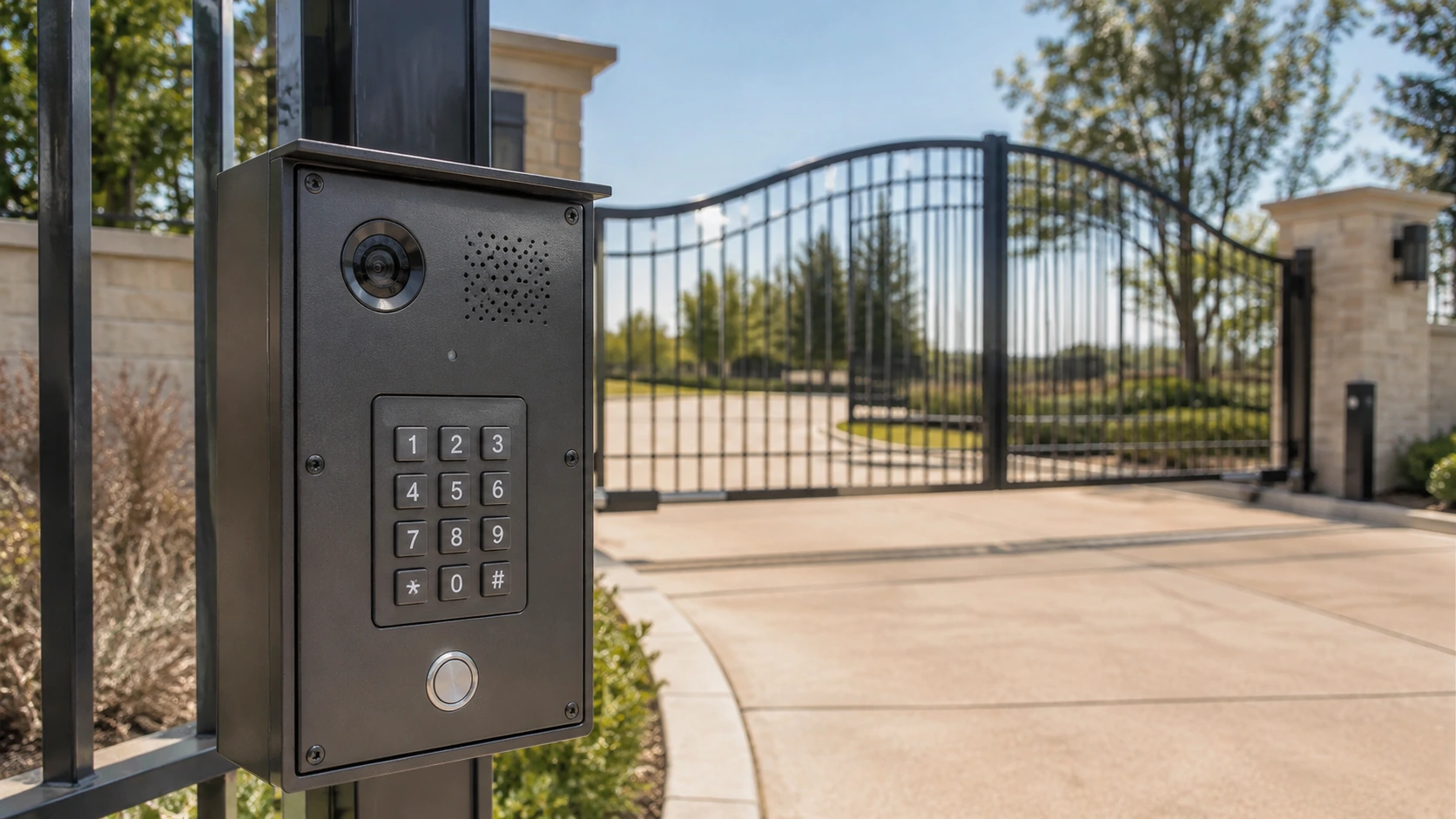
Connect Your Linear Gate System With Controlled Entry
Automatic gates can operate together with compatible access-control equipment to manage property entry. Depending on the system, entry equipment may be used by homeowners, residents, employees, visitors, customers, deliveries, or authorized vehicles.
If an entry device does not activate the gate correctly, the cause may involve the access equipment, wiring, programming, receiver, controls, power, communication, or the gate operator.
- Gate keypads
- Intercom systems
- Telephone entry systems
- Remote controls and receivers
- Credential-based entry systems
- Vehicle access equipment
- Safety sensors and detection devices
- Access-control troubleshooting
Should Your Linear Gate Opener Be Repaired or Replaced?
A gate opener problem does not automatically require replacing the entire operator. The physical gate, operator, controls, electrical components, access equipment, and safety devices should be evaluated together.
Repair May Make Sense When
- The existing operator remains appropriate for the gate.
- The failure is limited to a serviceable component.
- The physical gate moves correctly.
- Compatible replacement components are available.
- The system can be returned to reliable operation.
Replacement May Be Considered When
- The existing operator no longer suits the gate.
- Failures have become frequent or extensive.
- Necessary components are unavailable or unsuitable.
- The property's access requirements have changed.
- A different gate configuration requires different equipment.
Complete Automatic Gate Service
Reliable automatic gate operation depends on the physical gate, operator, controls, electrical system, safety equipment, and access devices working together.
Linear Gate Opener Service Across DFW
Everlast Gates & Fence serves residential and commercial automatic gate systems throughout the Dallas–Fort Worth Metroplex.
Request Linear Gate ServiceLinear Gate Repair & Installation Questions
Common questions about Linear gate opener repair, troubleshooting, installation, replacement, gate automation, and access control.
Does Everlast Gates & Fence repair Linear gate openers?
Can you install a Linear gate operator?
Do you work on Linear swing gate systems?
Do you service Linear sliding gate operators?
Can Linear gate systems work with keypads or access control?
Should I repair or replace my Linear gate opener?
Do you provide Linear gate service throughout DFW?
Need Help With a Linear Automatic Gate System?
Request an evaluation for Linear gate opener repair, operator replacement, installation, diagnostics, or access-control service throughout Dallas–Fort Worth.