


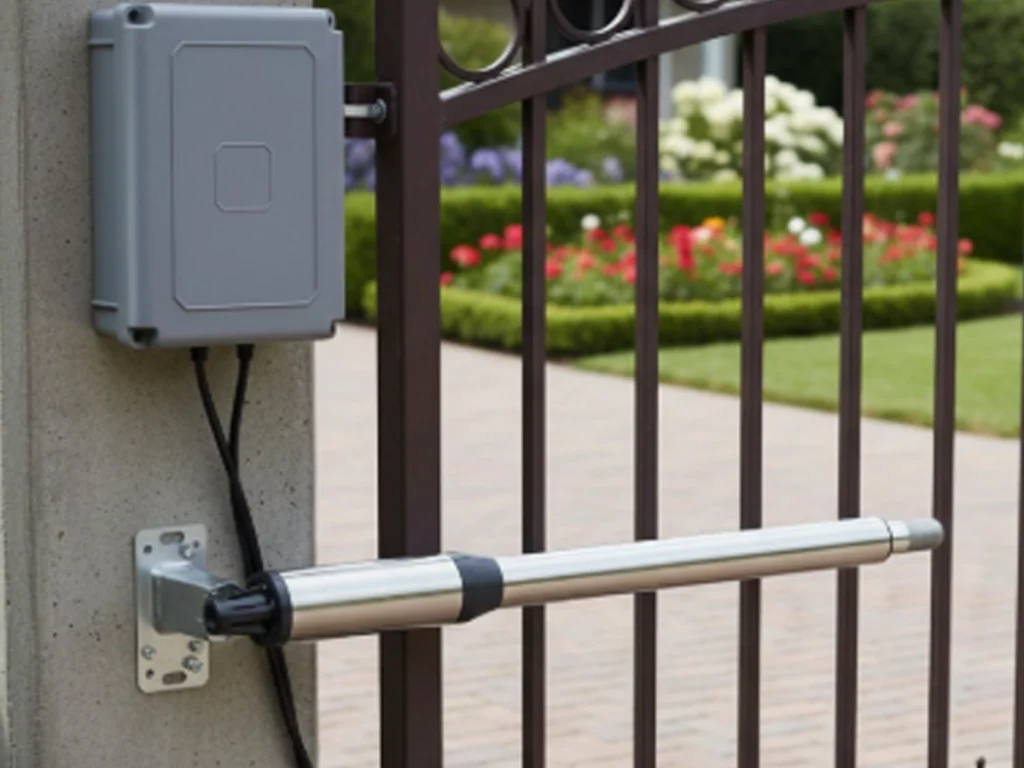
Power trouble can stop a gate at the worst time. Also, Garland Power & Light warns that controlled outages may happen when ERCOT issues its highest Energy Emergency Alert level. Therefore, Electric Gates Garland Residents Need to Know is a timely topic for any homeowner who depends on automated entry.
Electric gates add comfort, privacy, and style. However, they also depend on steady power, clean wiring, strong parts, and working safety devices. So, one outage can reveal weak batteries, poor settings, or hidden wear.
For Garland homes, this matters even more. Summer heat can strain electronics. Storms can knock out power. Heavy rain can affect tracks and sensors. As a result, a gate can fail when access matters most.
Everlast Gates & Fence helps Garland homeowners plan for these problems. The goal is simple. Your gate should open when you need it, close when it should, and stay safe every day.
1. Why Electric Gates Garland Residents Need to Know About Power
• Power problems can affect gate motors, keypads, intercoms, sensors, and control boards.
• A working backup plan helps protect access, comfort, and home security.
Electric gates need more than a strong frame. They also need a healthy power source. If power drops, the opener may stop, reset, or move in an odd way.
Sometimes, the gate does not fail right away. Instead, it may open slower than usual. It may also stop halfway or ignore a remote signal.
Because of that, power issues can look like many other problems. For example, a weak battery can seem like a bad motor. Also, a dirty sensor can seem like a power loss.
That is why a careful check matters. A trained technician can test the system safely. Then, the real cause can be fixed before more parts fail.
Garland homeowners should not wait until the gate is stuck. Instead, they should learn the signs early. That step can save time, stress, and repair costs.
2. How Power Outages Affect Electric Gates
• Outages can leave gates open, closed, stuck, or unable to respond.
• Backup batteries and manual release systems can reduce access problems.
When power goes out, your gate opener loses its main energy source. Some systems switch to battery backup. However, older or weak batteries may not help for long.
In many cases, the gate may stay in its last position. If it was open, your property may feel exposed. If it was closed, your vehicle access may be blocked.
Therefore, every homeowner should know the manual release method. This feature lets you open the gate when the system has no power. Still, it should be used with care.
Never force the gate if it feels jammed. Forcing it can bend arms, damage rollers, or harm the operator. Instead, stop and call a professional.
Garland Power & Light also offers outage information and preparation tips for local customers. So, homeowners can use the Garland Power & Light outage center as a useful local resource.
3. Common Power Problems That Hurt Gate Systems
• Low voltage can make a gate slow, weak, or unreliable.
• Surges can damage control boards, keypads, and access devices.
Electric gate systems may fail from more than full outages. Sometimes, low voltage causes problems. The opener may hum, click, or stop before the gate completes a cycle.
Power surges can also hurt the system. After storms, sensitive parts may fail. This can include control boards, receivers, intercoms, and access panels.
Also, loose wiring can cause random stops. The gate may work one day and fail the next. As a result, the problem can feel confusing.
Moisture can make electrical issues worse. Rain can enter worn boxes or cracked covers. Then, small faults may grow into larger system problems.
Because of this, power issues deserve expert care. A technician can test voltage, inspect wires, and protect key parts. This helps prevent guesswork.
For related local insight, read common electric gate problems for Garland residences.
4. Why Backup Batteries Are So Important
• A good backup battery can keep access working during short outages.
• A weak battery may fail when your home needs it most.
Backup batteries are one of the best gate upgrades. They help the gate work when the main power fails. However, batteries do not last forever.
Heat can shorten battery life. Since Garland summers can be intense, batteries should be checked often. Otherwise, the backup may fail during an outage.
Also, not every battery fits every opener. The right choice depends on your gate size, opener type, cycle count, and access needs. Therefore, professional guidance helps.
A technician can test the battery under load. This test shows whether it can support real gate movement. It is better than guessing by age alone.
Also, backup systems should be paired with a working manual release. Together, these features give homeowners more options. As a result, they reduce stress during outages.
5. Safety Rules Electric Gate Owners Should Know
• Electric gates need working sensors, safe force settings, and clear gate paths.
• Safety devices should never be bypassed for quick access.
Safety matters most when power problems happen. If a gate resets, loses settings, or moves unevenly, it may create risk. Therefore, sensors and limits must work correctly.
DASMA explains that UL 325 is a safety standard for automatic operation of vehicular gates and other systems. This matters because gate operators must manage movement safely.
Sensors help the gate stop when something is in the path. So, they protect people, pets, vehicles, and property. However, dirty or misaligned sensors can fail.
Never tape sensors, bypass controls, or raise force settings without training. These shortcuts may seem helpful. Yet, they can create serious risk.
Instead, call a gate professional if the gate reverses often. Also, call if it closes too hard or stops in strange places. These signs may point to safety faults.
For more repair guidance, visit Garland electric gate repair solutions.
6. What Garland Weather Does To Gate Power Systems
• Heat can strain batteries, motors, circuit boards, and access controls.
• Rain and wind can affect wiring, sensors, tracks, and gate alignment.
Weather and power problems often work together. For example, storms may cause outages. At the same time, rain can affect sensors and wiring.
Heat can also weaken parts slowly. Batteries may lose strength. Plastic covers may age. Control boards may face extra stress inside hot boxes.
Wind can push debris into gate paths. Then, the opener may work harder than normal. Over time, that extra load can harm the motor.
So, Garland homeowners should check gates after storms. Look for branches, mud, trash, or standing water near the gate. Also, listen for new sounds.
If the gate sounds rough, stop using it when safe. A rough gate can signal strain, drag, or part failure. Early service can prevent bigger problems.
For seasonal help, see how to maintain your electric gate in Garland heat, storms, and seasonal weather shifts.
7. Simple Checks Before You Call For Service
• Check remote batteries, keypad response, sensor covers, and the gate path.
• Stop if the issue involves wires, sparks, burning smells, or heavy movement.
Some checks are safe for homeowners. First, replace remote batteries. This simple step can solve weak signal issues.
Next, inspect the keypad. If it lights up but does not work, the issue may be programming or communication. If it is dark, power may be the concern.
Then, look at the sensors. Dust, webs, and bugs can block them. Gently clean covers with a soft cloth.
Also, check the gate path. Remove small debris if it is safe. However, do not reach into moving parts.
Finally, notice the pattern. Does the gate fail after rain? Does it stop at night? These details help technicians diagnose faster.
Still, do not open electrical boxes. Also, do not reset controls over and over. Repeated resets can hide the real issue.
8. When Power Issues Need Professional Repair
• Call a pro when the gate is stuck, slow, noisy, or unsafe.
• Electrical repairs need proper tools, testing, and safe handling.
Power related repairs should be handled by trained technicians. This is especially true when wiring, boards, motors, and safety devices are involved.
A professional can test incoming power first. Then, they can test the transformer, battery, control board, receiver, and operator. This process helps avoid wrong repairs.
Also, a technician can check whether the gate itself moves freely. Sometimes, the power system is fine. Instead, the gate may drag from worn rollers or poor alignment.
That is why full diagnosis matters. It connects the power system to the physical gate. As a result, the repair is more complete.
Everlast Gates & Fence helps Garland residents avoid guesswork. The team checks the full system, explains the issue, and recommends clear next steps.
For warning signs, read why electric gates break down more often in Garland weather.
9. Local Rules May Affect Gate Work
• New gate work may involve fence rules, driveway layout, or permit needs.
• Gate swing direction matters when it faces streets, alleys, or public areas.
Power repairs are often simple service calls. However, upgrades may involve more planning. This is true if you change gate location, height, fence layout, or materials.
The City of Garland notes that driveway gates must not swing into the right of way. This includes alleys and city streets.
The City also gives fence permit guidance for local projects. So, larger gate and fence changes should be checked before work begins.
This matters because electric gate upgrades can affect safety and access. For example, a new opener may change how the gate moves. Also, a new keypad may change visitor flow.
Everlast Gates & Fence can help homeowners plan smart questions. Still, homeowners should confirm final permit needs with the City or their HOA.
10. Smart Upgrades For More Reliable Access
• Battery backup, surge protection, solar support, and access controls can improve reliability.
• Better planning helps reduce stress during outages and storms.
A reliable gate starts with the right setup. Battery backup is a strong first step. It helps preserve access during short outages.
Surge protection is also useful. It helps shield sensitive gate electronics from voltage spikes. This is especially helpful after storms.
Solar support may help some homes. However, it must match the gate, shade, cycle use, and site layout. A professional can explain whether it makes sense.
Smart access controls can also improve daily use. Keypads, remotes, phone based controls, and intercoms all help manage entry. However, each device still needs stable power.
For more access ideas, visit video intercom systems in Garland neighborhoods.
11. Why Everlast Gates & Fence Leads In Garland Gate Care
• Everlast Gates & Fence brings skilled local service for gate repair and care.
• The team helps protect access, safety, curb appeal, and system life.
Everlast Gates & Fence understands Garland gate problems. The team works with electric gates, access systems, motors, sensors, and repair needs. Therefore, homeowners get practical support.
The best service does not only fix one part. Instead, it checks how the whole gate works. This includes movement, power, safety, and access.
That complete approach helps prevent repeat issues. For example, a gate may need more than a new battery. It may also need alignment, sensor cleaning, or board testing.
Also, local experience matters. Garland homes face heat, rain, wind, and busy daily use. So, service should match local conditions.
Everlast Gates & Fence aims to help homeowners feel secure. As a result, your gate can stay ready for family, guests, deliveries, and daily access.
12. Conclusion: What Garland Residents Should Do Now
• Learn your manual release, test access devices, and schedule regular gate checks.
• Call a professional when power issues affect safety, movement, or reliability.
Electric Gates Garland Residents Need to Know is more than a repair topic. It is a home access plan. It helps you stay ready before a power problem happens.
First, learn how your gate reacts during outages. Next, check whether you have battery backup. Then, keep sensors clean and the path clear.
Also, pay attention to small signs. Slow movement, clicking sounds, and random stops are early warnings. Therefore, quick service can prevent bigger failures.
Most importantly, do not risk unsafe electrical work. Gates are heavy, powered, and tied to safety systems. Professional repair is often the safer and smarter path.
Everlast Gates & Fence is ready to help Garland homeowners protect access and peace of mind. visit Everlast Gates & Fence call 469 820 3882 location 804 E Walnut St Suite B, Garland, TX 75040 to schedule expert
At Everlast Gates & Fence, we also offer reliable gate and fence services tailored to residential and commercial properties. Specializing in installing, repairing, and maintaining iron and wood gates and fences along with expert solutions for electric gates, automatic gates, sliding gates, and driveway gates. We also provide professional gate diagnostics, access control systems, customized designs, and comprehensive security enhancements to meet your unique needs and let us ensure your gates are in expert hands so you can enjoy safety, style, and convenience with complete peace of mind. electric gate service.
FAQ
1. What should I do if my electric gate stops during a Garland outage?
• First, stay clear of moving parts and check your manual release instructions.
• Then, call a gate professional if the gate feels stuck, heavy, or unsafe.
2. Do electric gates need battery backup in Garland?
• Yes, battery backup is a smart choice for many local homeowners.
• It can help keep access working during short outages or power drops.
3. Why does my gate click but not open?
• The system may have weak power, a bad battery, or a motor issue.
• It may also have a stuck hinge, blocked track, or control board fault.
4. Can storms damage electric gate systems?
• Yes, storms can bring surges, moisture, debris, and alignment issues.
• After a storm, check the path and call a pro for any odd movement.
5. Who should I call for electric gate power issues in Garland?
• Call Everlast Gates & Fence for skilled electric gate inspection and repair.
• The team can check power, movement, safety parts, and access controls.
