


Development of an Automated Electric Gate for Secure Property Access
The United States Consumer Product Safety Commission once estimated that nearly 25,000 people suffered automatic gate related injuries from 1990 through 2000. About 9,000 of those people were children younger than fifteen. This older federal finding shows why gate development must focus on safety from the first site visit.
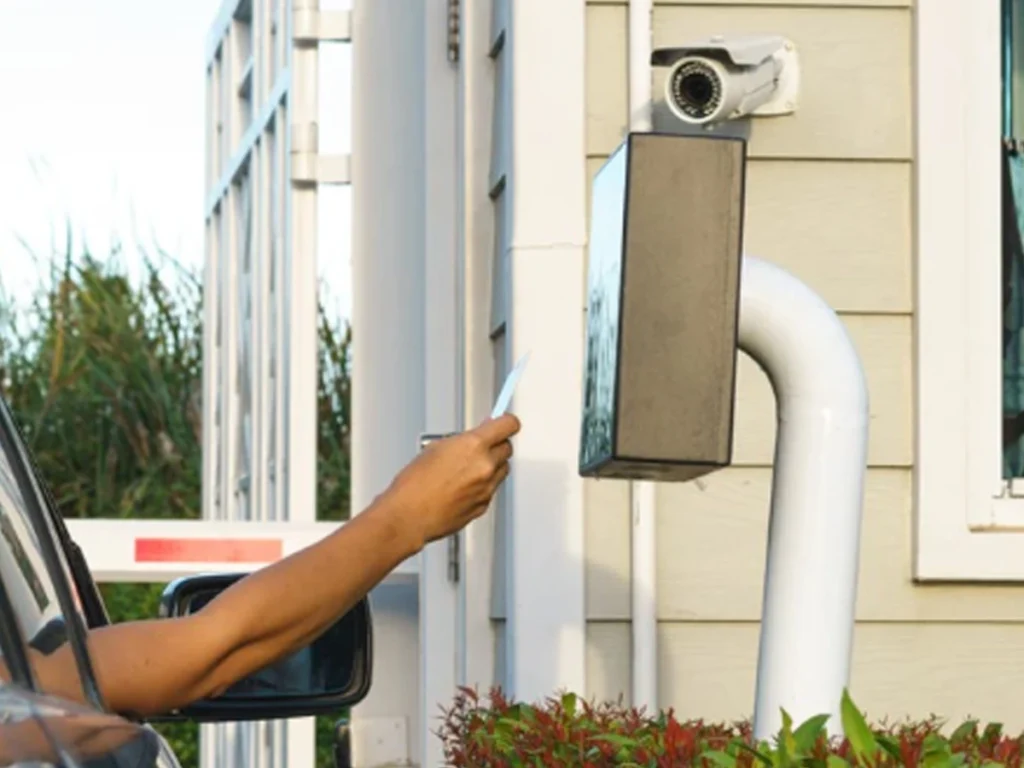
An automated electric gate can improve access control, daily comfort, visitor screening, and property appearance. However, a motor alone does not create a safe or dependable gate system.
A successful project joins the gate, frame, operator, controls, sensors, electrical supply, and user procedures into one planned system. Therefore, every part must support the same security and access goals.
For Garland property owners, local site conditions also deserve close study. Driveway width, nearby sidewalks, street traffic, drainage, utility locations, and visibility may affect the final design.
The City of Garland states that a permit is required when an existing driveway is widened or a new driveway is poured. Therefore, owners should review permit needs before changing the entrance or surrounding pavement.
Key ideas covered in this guide include:
- How site conditions shape the gate design
- How routine maintenance protects the investment
AI Overview of Automated Electric Gate Development
An automated electric gate is a connected entrance system that controls when vehicles may enter or leave a property. Its main parts usually include a physical gate, support posts, hinges or rollers, an operator, safety sensors, and access controls.
The development process begins with a site review and a clear access plan. Next, the designer selects the gate movement, frame, operator, controls, power source, and safety equipment.
A secure system should perform three main jobs:
- Restrict entry to approved people and vehicles
- Detect possible obstructions before dangerous movement
- Provide a safe method for exit or manual access
Modern access options may include keypads, remotes, vehicle loops, cameras, intercoms, and mobile controls. However, the best technology depends on the property and its daily users.
For example, a private home may need simple family access and clear delivery instructions. Meanwhile, an apartment community may need visitor screening, resident credentials, and access records.
A commercial property may require scheduled access, staff permissions, delivery management, and emergency procedures. Therefore, the system should be designed around real traffic instead of attractive features alone.
Why Secure Property Access Requires a Complete System
An automated electric gate creates a controlled boundary between public space and private property. Yet the level of protection depends on how well each component supports the entire entrance.
A weak frame may twist under the force of a gate operator. Likewise, poor alignment may create extra resistance and shorten the life of mechanical parts.
An access system may also become inconvenient when it does not reflect normal use. For example, a keypad alone may cause delays when visitors need approval from someone inside.
A complete entrance plan should address:
- Gate strength and smooth physical movement
- Safe vehicle and pedestrian use
- Visitor identification and communication
- Power loss and emergency access
- Future service and component replacement
Property owners should begin by defining what secure access means for their location. Security needs can differ greatly between a home, warehouse, office, school, or managed community.
Some owners mainly want to stop unknown vehicles from entering. Others want better visitor screening, recorded access activity, or remote control from a mobile device.
Therefore, the system should not be copied from another property without review. Each entrance needs a plan based on its size, traffic, risks, and daily routine.
Start With a Professional Automated Electric Gate Assessment
A professional assessment helps connect the desired gate features with the physical limits of the entrance. It also helps identify issues before materials and equipment are ordered.
During this stage, the technician should observe how vehicles enter, turn, stop, and leave. The technician should also review nearby walls, fences, landscaping, slopes, and sidewalks.
Important measurements may include:
- Clear driveway opening and available side room
- Gate height, width, weight, and travel distance
- Space needed for safe vehicle waiting
- Distance from public streets and sidewalks
- Locations of power, drainage, and utilities
The assessment should also consider the largest vehicle that regularly uses the property. A gate may work well for a car but create problems for trailers, service trucks, or delivery vehicles.
In addition, the entrance should provide enough room for a vehicle to wait without blocking traffic. A poorly placed keypad can force drivers to stop at an unsafe angle.
Corners and sidewalks need special care because gate panels, posts, plants, or parked vehicles can reduce visibility. Therefore, the design should preserve clear sightlines wherever vehicles cross pedestrian areas.
A professional review also supports better cost planning. Owners can compare gate types, access controls, electrical work, safety devices, and site preparation before construction begins.
For a broader installation overview, property owners can review these five things to know before installing electric gate service.
Define Users, Permissions, and Daily Access Needs
The next step is identifying everyone who will use the automated electric gate. Each user group may need a different way to enter.
A residential property may include family members, guests, cleaners, landscapers, delivery drivers, and emergency responders. Meanwhile, a business may include staff, vendors, customers, and service crews.
The access plan should answer:
- Who may enter without direct approval
- Who requires screening before entry
- When each user may access the property
- How access can be removed or changed
- What happens when normal controls fail
A remote control may work well for regular drivers. However, remotes can become lost, shared, or left inside another vehicle.
A keypad can support family members, staff, or approved vendors. Yet shared codes should be managed carefully because former users may continue knowing them.
Mobile access can let an authorized owner open the gate from a connected device. However, account security and internet reliability should be considered during setup.
An intercom and camera can help the owner identify a visitor before granting entry. This combination may be useful when frequent deliveries or unknown visitors reach the property.
Property managers should also decide whether they need access records. Some systems can record credential use, entry times, or call activity, depending on their equipment and setup.
For more detail about connected entry tools, see this guide to custom gates with intercom options.
Select the Right Gate Movement for the Property
The two common choices are swing movement and slide movement. Each option requires different space, hardware, foundations, and safety planning.
A swing gate rotates inward or outward around strong hinge points. It can provide a traditional appearance and may work well when sufficient clear space is available.
A slide gate travels sideways along the fence line. It may suit properties where inward swing space is limited or where driveway slope makes swinging difficult.
A gate movement decision should consider:
- Available space beside and behind the entrance
- Driveway slope and surface condition
- Gate size, weight, and wind exposure
- Vehicle waiting and turning patterns
- Maintenance needs for hinges, rollers, or tracks
A swing gate should not open into public traffic or create a hazard for people using a sidewalk. Therefore, its movement area must remain clear during every cycle.
A slide gate needs enough room beside the opening for the entire panel and supporting structure. The design must also address entrapment areas, exposed rollers, and secure travel stops.
ASTM F2200 covers construction considerations for several automated vehicular gate types, including horizontal slide and horizontal swing gates. The standard addresses automated gate construction rather than merely operator selection.
This distinction is important because a listed gate operator cannot correct unsafe gate construction. The moving gate and its automation system must be planned together.
Property owners comparing swing systems can also read about the complete swing gate installation process.
Build a Strong Frame Before Adding Automation
A gate that moves correctly by hand provides a better foundation for automation. The operator should move the gate rather than compensate for sagging, dragging, or poor alignment.
Heavy operators create repeated force at connection points. Therefore, an automatic gate often needs stronger framing than a similar manual gate.
Strong construction may require:
- Proper frame dimensions for the gate span
- Reinforced operator attachment points
- Correct post size and foundation depth
- Quality hinges, rollers, guides, and stops
- Professional welding at structural joints
Material selection should reflect the gate size, design, wind exposure, and expected traffic. Decorative details should not reduce the strength needed for daily automated movement.
Long gate panels can place significant leverage on hinges and posts. Consequently, weak support can cause sagging, uneven closing, or stress around welded connections.
A slide gate must remain stable throughout its full travel. Its rollers, guide assemblies, supports, and stops should keep the panel moving along the intended path.
Strong welded construction also helps maintain alignment. However, welding alone is not enough when the frame layout or support system is poorly designed.
After fabrication, the gate should move freely before the operator is connected. Any binding or unusual resistance should be corrected at the gate itself.
Match the Operator to the Gate and Workload
Operator selection should follow the gate design rather than lead it. The correct unit must suit the gate type, weight, length, frequency of use, and property setting.
A light residential entrance may cycle only several times each day. In contrast, a community or commercial entrance may operate repeatedly during busy periods.
Operator planning should consider:
- Gate weight and overall length
- Expected cycles during peak periods
- Swing or slide movement
- Residential or commercial use
- Available power and backup options
An undersized operator may experience excessive strain. Meanwhile, a larger operator cannot fix poor balance, weak framing, or mechanical resistance.
The operating arm, chain, rack, or drive connection should also fit the gate structure. Attachment points need enough strength to handle repeated starts, stops, and changes in direction.
Weather exposure matters as well. Garland properties may experience intense sun, storms, wind, temperature changes, and airborne debris.
Therefore, control boxes, wiring, hardware, and access devices should be placed and protected appropriately. Drainage near foundations and electrical equipment should also receive attention.
Owners should ask how the system will behave during a power outage. Depending on the equipment and property needs, options may include battery backup, manual release, or another approved access method.
Plan Safety Around People, Vehicles, and Movement
Safety should guide every part of automated electric gate development. A moving gate can create crushing, pinching, impact, and entrapment hazards when the system is poorly designed.
UL 325 addresses safety requirements for automated gate operators and related systems. DASMA explains that the standard applies to the automatic operation of vehicular gates and other moving access products.
ASTM F2200 focuses on the construction of gates that will be automated. Together, these sources show why the gate structure and operator safety system must work as one design.
Common safety considerations include:
- Monitored obstruction detection devices
- Photoelectric sensors across travel areas
- Contact sensors near possible entrapment zones
- Physical guards around exposed hazards
- Warning signs on both sides of the gate
The exact devices and placement depend on the gate, operator, use class, and site layout. Therefore, safety equipment should not be chosen through guesswork.
Vehicle detection loops may help control opening or closing based on vehicle position. However, they should not be confused with every required entrapment protection function.
Pedestrian access also needs a separate plan. Vehicular gates are intended for vehicles, so people should not be expected to walk through the moving vehicle entrance.
A separate pedestrian gate can help keep foot traffic away from the automated gate path. Clear signs and user training can further reduce unsafe behavior.
Children should never play near an automated gate. Controls should also be located where users cannot operate the system while reaching through the gate.
Add Smart Access Controls Without Creating Weaknesses
Smart access controls can improve convenience and screening when they are matched to the property. However, every added feature should have a clear purpose.
A useful control package may combine:
- Video intercom for visitor communication
- Camera coverage for visual confirmation
- Mobile control for authorized users
- Keypad entry for approved codes
- Remotes for frequent drivers
The camera should provide a useful view of the visitor and vehicle. Poor placement, glare, darkness, or blocked views can reduce its value.
The intercom should also be located where drivers can reach it safely. Drivers should not need to leave their vehicles or stop in a dangerous position.
Mobile access can be convenient for owners who need to admit guests remotely. However, account permissions should be limited to trusted users and reviewed when staff or residents change.
Keypad codes should be unique when possible. Temporary codes can be useful for contractors, deliveries, or short term visitors when supported by the selected system.
Access records may help a manager review activity after an event. Yet recorded information should be handled according to the owner’s policies and applicable privacy requirements.
The goal is not to install every available feature. Instead, the goal is to create simple, secure access that users can follow correctly.
Readers can explore additional options in this overview of the latest gate access control methods.
A Practical Project Example Based on Selected Priorities
The following example reflects the priorities selected during the planning questions. It is presented as a practical scenario, not as a verified customer testimonial or documented performance claim.
Consider a property where several access problems occur together. Visitors need better screening, deliveries create delays, and the owner wants easier remote control.
The proposed system combines:
- Video intercom and camera based visitor review
- Mobile access for trusted decision makers
- Keypad entry for approved regular users
- Remotes or credentials for frequent drivers
- Vehicle detection and suitable safety devices
Before development, the design team studies the entrance, gate structure, vehicle path, power source, and communication needs. The team also checks whether the existing frame can support automation.
Next, the owner defines who receives each access method. Family members or staff may use regular credentials, while visitors contact an authorized person through the intercom.
The camera supports visual screening before access is granted. Meanwhile, mobile control may let an approved owner respond without walking to a fixed indoor station.
The desired improvement is better access visibility and more useful activity information. However, exact results would depend on equipment, network service, user practices, maintenance, and site conditions.
This example shows why combined controls can be more effective than a single entry method. Still, each component must be configured around the owner’s actual routine.
Review Garland Permits, Driveways, and Visibility
Local planning should begin before construction changes the driveway, sidewalk, fence, or electrical system. Permit needs can vary according to the exact scope.
The City of Garland provides residential permit information for fences, driveways, sidewalks, electrical work, and other improvements. Therefore, owners should confirm requirements with the appropriate city department before work begins.
Local planning should review:
- Fence and entrance construction requirements
- Driveway or sidewalk changes
- Electrical work for the gate operator
- Property lines, easements, and utilities
- Visibility near streets and pedestrian routes
Homeowners should also review deed restrictions and homeowners association rules when applicable. An association may regulate gate height, style, color, setback, or visible equipment.
Approval from an association does not necessarily replace a city permit. Likewise, city approval may not satisfy private community restrictions.
Driveway access should allow vehicles to enter and wait safely. The gate should not force vehicles to stop in moving traffic whenever a safer layout is possible.
The entrance should also preserve visibility near corners and sidewalks. Wider spacing, lower elements, or a more open design may improve sightlines in sensitive areas.
Because site rules can change, owners should verify current requirements for their exact address and scope. This article provides general planning information rather than legal or permit approval advice.
Prepare the Electrical Supply and Communication Network
An automated electric gate needs dependable power and protected wiring. The electrical plan should account for the operator, access controls, safety devices, lighting, and communication equipment.
Electrical preparation may include:
- A suitable dedicated power supply
- Proper grounding and circuit protection
- Protected conduit and weather rated enclosures
- Low voltage wiring for controls and sensors
- Battery backup where appropriate
A licensed professional may be required for parts of the electrical work, depending on the project. Owners should confirm local requirements before installation.
Long wire runs can affect voltage and communication performance. Therefore, cable type, distance, routing, and equipment instructions should be reviewed before trenches are closed.
Wireless controls can reduce some wiring needs. However, wireless performance may be affected by distance, structures, interference, network coverage, and service outages.
A camera or mobile intercom may also depend on stable internet access. The owner should understand what features remain available when the network fails.
Emergency and manual access should not rely on one fragile connection. A clear fallback method can help authorized users respond during outages or equipment problems.
Test the Entire Automated Electric Gate System
Testing should cover more than opening the gate once. Every access method, safety device, movement zone, and backup procedure should be checked.
A complete test may include:
- Opening and closing through each control method
- Obstruction response at identified hazard areas
- Vehicle detection and free exit behavior
- Manual release and power outage procedures
- Camera, intercom, and mobile communication
The gate should move smoothly without unusual sound, shaking, dragging, or frame movement. Limits should stop the gate at the intended open and closed positions.
Safety devices should be tested according to the operator instructions and system design. Devices that are disconnected, bypassed, or incorrectly aligned can create serious risk.
The owner should receive clear instructions after testing. Users need to know how to operate the gate, report problems, and avoid unsafe behavior.
Access credentials should also be reviewed before handover. Unused default codes should not remain active when they are not needed.
Maintenance information, warranty documents, and equipment details should be kept in a known location. These records can make future service more efficient.
Protect the Gate Through Routine Maintenance
Automated electric gates combine structural, mechanical, electrical, and electronic parts. Therefore, routine service helps find small concerns before they become larger failures.
A maintenance visit may review:
- Gate alignment and manual movement
- Hinges, rollers, chains, racks, and guides
- Operator mounts and frame connections
- Safety sensors and warning signs
- Access controls, wiring, and enclosures
Owners should observe the gate between service visits. Slower movement, unusual noise, inconsistent stopping, or repeated reversals may indicate a developing problem.
Physical damage should receive prompt attention. A vehicle impact can affect alignment, supports, safety equipment, and operator settings even when the gate still moves.
Vegetation, debris, soil movement, and drainage can also affect gate performance. Therefore, the travel path and equipment area should remain clean and visible.
Users should never bypass a safety device to keep the gate operating. The safer response is to stop using the system when necessary and request qualified service.
For help recognizing system problems, review what to expect from a professional gate diagnostic service.
Common Automated Electric Gate Development Mistakes
Many gate problems begin during planning rather than after installation. Avoiding common mistakes can improve safety, reliability, and long term value.
Frequent planning mistakes include:
- Choosing an operator before evaluating the gate
- Ignoring pedestrian movement near the entrance
- Using weak framing for automated force
- Placing controls in unsafe locations
- Failing to plan for power or network loss
Another mistake is selecting access technology without defining users. Expensive features may create confusion when permissions and daily procedures remain unclear.
Poor site preparation can also create lasting problems. Foundations, drainage, conduit, and driveway work should be coordinated with the gate design.
Visibility is sometimes overlooked when an entrance is planned mainly for appearance. Solid panels, walls, landscaping, or control posts may block sightlines near sidewalks.
Owners should also avoid treating maintenance as optional. A gate that operated correctly during installation can later change through wear, impacts, corrosion, or soil movement.
Finally, safety equipment should never be added as an afterthought. The gate layout, structure, operator, and protection devices should be developed together.
Why Professional Development Creates Better Value
A professionally developed automated electric gate should balance security, convenience, appearance, safety, and service access.
The cheapest initial proposal may not provide the best long term value. A weak frame, limited safety design, or poorly matched operator can lead to repairs and disruption.
A well planned system can offer:
- More controlled entry for approved users
- Better visitor communication and screening
- Smoother daily access for regular drivers
- Clearer maintenance and emergency procedures
- A design suited to the property entrance
Everlast Gates & Fence provides installation, repair, and maintenance services for residential and commercial gate systems. Its service information emphasizes durable materials and solutions tailored to property needs.
For decision makers, the main benefit of professional development is coordination. One plan connects site work, fabrication, automation, controls, safety, and user training.
That coordinated approach can help reduce avoidable design conflicts. It also gives owners a clearer understanding of what the system will do and how it should be maintained.
Conclusion: Develop Secure Access From the Ground Up
The development of an automated electric gate for secure property access begins long before the operator is switched on.
First, the property needs a detailed assessment. Next, the designer must define users, traffic, gate movement, access controls, structural needs, power, and safety devices.
Strong welded construction provides the stable base that automation requires. Likewise, a properly matched operator supports consistent movement without compensating for a weak or binding gate.
Intercoms, cameras, mobile controls, keypads, and vehicle sensors can improve daily access. However, these tools work best when they support a clear security plan.
Garland property owners should also review permits, driveway changes, visibility, electrical work, and community restrictions before construction begins.
Most importantly, safety must guide the full project. A secure entrance should control access without creating hidden danger for drivers, visitors, workers, or pedestrians.
Everlast Gates & Fence can help evaluate the property and develop an automated electric gate around the entrance, traffic pattern, and access goals.
Call Everlast Gates & Fence for a Gate Assessment
Ready to plan an automated electric gate for your Garland property?
Contact Everlast Gates & Fence to discuss gate design, access controls, safety equipment, power needs, and installation planning.
At Everlast Gates & Fence, we also offer reliable gate and fence services tailored to residential and commercial properties. Specializing in installing, repairing, and maintaining iron and wood gates and fences along with expert solutions for electric gates, automatic gates, sliding gates, and driveway gates. We also provide professional gate diagnostics, access control systems, customized designs, and comprehensive security enhancements to meet your unique needs and let us ensure your gates are in expert hands so you can enjoy safety, style, and convenience with complete peace of mind. electric gate service.
Phone: 469 820 3882
Location: 804 E Walnut St Suite B, Garland, TX 75040
A professional site assessment can help you select a gate system that supports safe movement, strong construction, and controlled property access.
Schema Ready Questions and Answers
1. What is an automated electric gate?
- It controls vehicle access through powered movement.
- It may use several entry and safety devices.
An automated electric gate is a powered entrance system that opens and closes through approved controls. Its parts may include a gate operator, safety sensors, keypad, remotes, vehicle detectors, camera, intercom, or mobile controls. The exact setup should reflect the property, users, traffic, and security goals.
2. How does an automated electric gate improve security?
- It limits entry through selected credentials.
- It can support visitor screening before access.
An automated electric gate creates a controlled entrance rather than leaving the driveway fully open. Approved users may enter with credentials, while visitors can request access through an intercom. Cameras and access records may provide added information when supported by the selected system and configuration.
3. Which is better, a swing gate or slide gate?
- The correct choice depends on available space.
- Driveway slope and traffic also affect the decision.
Neither gate type is best for every property. Swing gates need a safe arc and suitable hinge support. Slide gates require enough side room for the panel and support structure. A site assessment should compare space, slope, traffic, wind, gate size, safety zones, and maintenance needs.
20.4 What access controls can be added to an electric gate?
- Common options include keypads and remote controls.
- Smart systems may include cameras and mobile access.
Available controls may include remotes, keypads, card readers, telephone entry, video intercoms, mobile applications, and vehicle detection devices. The best combination depends on who uses the gate, how visitors are screened, whether access records are needed, and what should happen during an outage.
5. Does an automated gate need safety sensors?
- Safety devices help detect possible obstructions.
- Their selection depends on the complete system.
Automated vehicular gates require careful safety planning around crushing, impact, pinching, and entrapment areas. The system may use monitored photoelectric or contact sensors and other protective measures. A qualified installer should select and place devices according to the operator, gate construction, site, and applicable standards.
6. Should the gate frame be strengthened for automation?
- Automated movement creates repeated structural force.
- Operator mounting points need solid support.
Yes, many automated gates require stronger framing and attachment points than similar manual gates. The frame, posts, hinges, rollers, guides, and foundations must support the gate and repeated operator force. A gate that sags, twists, or binds should be corrected before an operator is installed.
7. Does Garland require permits for an electric gate?
- Requirements depend on the complete project scope.
- Driveway and electrical changes may need review.
Permit needs can depend on fence work, driveway changes, sidewalks, electrical work, and other site conditions. Garland states that widening an existing driveway or pouring a new driveway requires a permit. Property owners should confirm current requirements for their exact address and planned work before construction.
8. Can a gate work during a power outage?
- Some systems offer battery backup.
- Others provide a controlled manual release.
The answer depends on the selected operator and system design. Some operators support battery backup, while others use a manual release or another approved access procedure. The owner should learn the outage process before handover and keep any required keys or instructions available to authorized users.
9. How often should an automated gate be serviced?
- Service frequency depends on traffic and conditions.
- High use properties may need more frequent checks.
Maintenance needs depend on gate type, operating cycles, equipment, weather exposure, and manufacturer guidance. Owners should schedule periodic inspection and request service when the gate becomes slow, noisy, uneven, or inconsistent. Safety devices should also be tested according to the equipment instructions and service plan.
10. Why hire Everlast Gates & Fence in Garland?
- Local planning requires attention to site conditions.
- One coordinated plan can reduce design conflicts.
Everlast Gates & Fence can assess the entrance, discuss access needs, review gate movement, and plan structural and automation components. The goal is to create a system suited to the property rather than applying one standard package. Owners can also discuss repair, maintenance, and future access upgrades.
