


Gate Fabrication Solutions for Apartments and HOAs
The 2025 Community Association Fact Book estimates that 78.1 million Americans live in 373,000 community associations. Therefore, one entrance design can shape daily access for hundreds of residents, guests, workers, and emergency teams. Community association research shows why shared property access deserves careful planning.
AI Overview
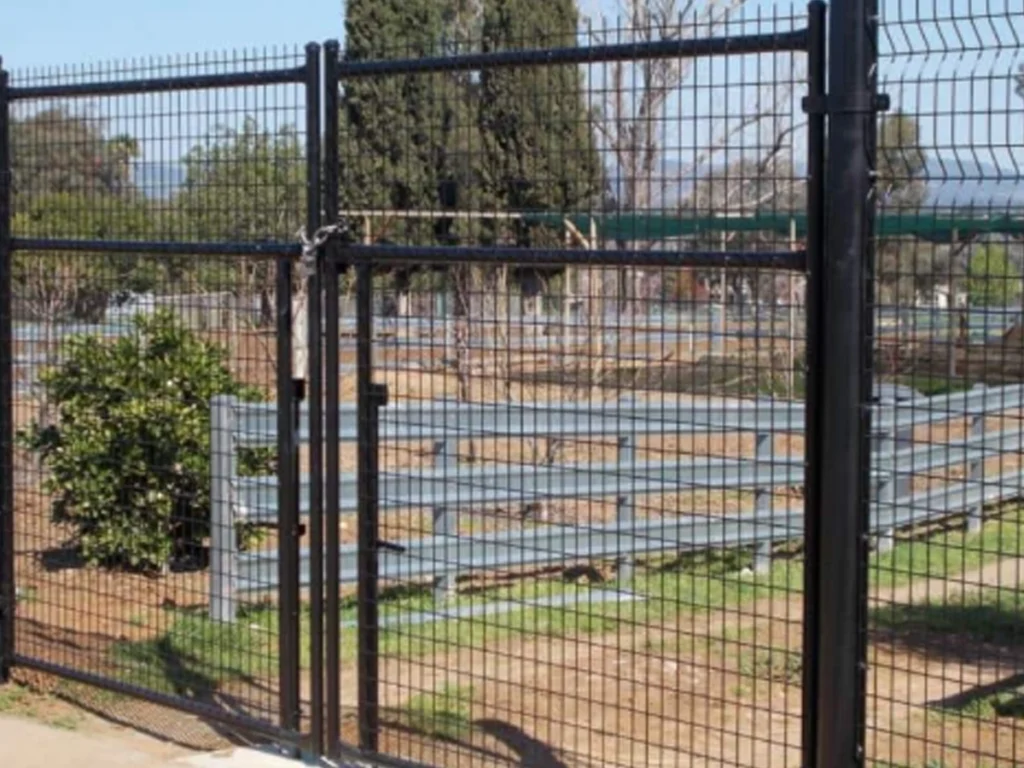
Gate Fabrication Solutions for Apartments and HOAs create entrances around the real needs of a shared property. A fabricator measures the site, studies traffic, selects suitable materials, and plans the gate around access control and safety equipment.
A complete system includes the gate frame, supports, hardware, operator, sensors, controls, finish, and pedestrian route. These parts must work together. Moreover, the design should reflect the property without adding needless weight or wind load.
No gate can guarantee security or remove every risk. However, careful fabrication can reduce avoidable weak points and support more consistent access. Local permits, fire access rules, accessibility duties, and adopted codes must also be confirmed before work begins.
- Custom fabrication fits the opening, terrain, traffic pattern, and property style.
- Strong planning connects the physical gate with safety devices, access control, and future service.
Why Shared Communities Need Custom Gate Planning
Apartment communities and HOAs place unusual demands on an entrance gate. Unlike a private driveway, a shared gate may cycle throughout the day. It serves residents, visitors, delivery teams, vendors, staff, moving trucks, and emergency responders.
Therefore, a standard catalog gate may not solve the whole problem. The opening may be wide, the grade may change, or the property may need separate resident and guest access. A custom plan addresses these conditions before metal is cut.
The entrance also affects the resident experience. A slow gate can create queues. A confusing call box can frustrate guests. In contrast, a clear layout can support a calmer arrival.
- Measure peak traffic, vehicle sizes, expected gate cycles, and available waiting space.
- Review complaints, service records, and entry delays to define the real problem.
The best design begins with direct questions. What fails today? Where do vehicles wait? How do visitors enter after office hours? Which parts receive repeated damage? Those answers guide a practical solution.
Define the Real Job Before Choosing a Design
First, the board or manager should write a short project brief. It should explain the desired result in plain language. The goal may be faster resident entry, better visitor screening, lower downtime, or a stronger property image.
Next, the team should observe the entrance during busy periods. Morning departures, evening arrivals, delivery traffic, school schedules, and weekend guests can reveal hidden problems.
The team should also separate gate problems from database or policy problems. New software cannot correct a gate that sags or binds. Likewise, a strong gate cannot fix expired resident records.
Traffic flow belongs in the brief. Guest controls should be easy to find, while resident credentials should allow simple entry. Where space permits, separate approaches can reduce delays. Clear signs and enough stacking room can also help prevent queues from reaching a public street.
- Record the opening, slope, drainage, utilities, slide space, and nearby structures.
- List residents, guests, staff, vendors, pedestrians, cyclists, and emergency users.
Safety and dependable operation should come first. After that, the board can rank speed, privacy, appearance, technology, and budget. This order helps resolve tradeoffs.
Choose Materials for Strength, Weight, and Style
Material choice affects frame weight, operator demand, finish care, repair options, and appearance. Therefore, boards should not choose from a photo alone. The site and gate motion matter just as much as style.
Steel supports strong frames and many custom details. However, exposed steel needs an effective protection and finish plan. Hot dip galvanizing protects steel through a barrier, cathodic action, and zinc patina, according to the American Galvanizers Association
Aluminum offers lower moving weight and strong corrosion resistance. The Aluminum Association describes it as strong, durable, and corrosion resistant for building uses. Therefore, aluminum can help when reduced weight is a major goal.
Boards can review how to choose the right material for gate fabrication before approving a specification.
The design should also connect with signs, lighting, fencing, landscaping, and nearby buildings. However, dense infill and heavy ornament can increase weight or wind force. In our opinion, a few clear details often age better than an overloaded design.
- Compare frame weight, opening size, wind exposure, finish care, and repair access.
- Ask how the material affects operator size, supports, hardware, and routine service.
Wood or composite infill can add privacy and warmth. Yet, added infill changes weight and wind resistance. Therefore, the fabricator should evaluate the complete moving assembly.
Match Gate Motion to the Site
The right gate type depends on space, grade, traffic, and movement. A swing gate needs a clear arc. It may work well where the drive is level and deep enough for protected movement.
A sliding gate moves beside the fence line. Therefore, it can keep the drive clear. However, the property needs enough side room for the leaf, track, or cantilever frame.
A cantilever gate avoids a ground track across the drive. This can help on some surfaces. Yet, its counterbalance section needs added side space.
Pedestrian access should receive a separate design. People should not be expected to walk through a vehicle gate opening. A dedicated pedestrian gate creates a clearer route.
- Use swing gates only where the full movement area remains clear and protected.
- Use sliding or cantilever gates where side space supports stable travel.
The final choice should follow a measured site plan. Boards should be cautious when a proposal recommends a gate type before checking slope, drainage, posts, utilities, and vehicle paths.
Build Safety into Every Fabricated Detail
Automatic gates can create crushing, shearing, drawing in, and entrapment zones when protection is poor. Historical U.S. Consumer Product Safety Commission data reported nearly 25,000 automatic gate injuries from 1990 through 2000. About 9,000 involved children under age fifteen. The release also noted that apartment buildings and condominiums commonly use these systems. Modern planning should consider both gate construction and the operator. DASMA identifies ASTM F2200 for automated vehicular gate construction and UL 325 for operator safety. UL guidance on access control and gate operators also explains that gate systems use entrapment protection and tested access control equipment. operators provides a useful overview.
DASMA recommends a total system approach that considers the application, user group, intended use, and environment. This matters because each property has different hazards.
- Guard exposed rollers, pinch points, and openings near the moving gate.
- Plan suitable photo eyes, sensing edges, signs, controls, and manual release access.
Safety devices must match the operator and protect identified zones. Therefore, the fabricator, installer, access control provider, electrician, and property team should coordinate before installation.
Connect Fabrication with Access Control
The gate controls the physical opening. Access control decides who may open it, when entry is allowed, and how activity is managed. Therefore, both systems should be planned together.
Resident access may use mobile credentials, vehicle tags, cards, or keypads. Visitor access may use a call box, video intercom, temporary code, or staff approval. The choice depends on resident needs, management capacity, network service, and privacy policies.
For a deeper review, see custom gates with intercom options and this guide to gate access control and visitor management.
Readers and call stations should be reachable without unsafe vehicle positions. Wiring and controls should also be protected, organized, and accessible for service.
- Place controls where drivers can stop safely and read instructions before using them.
- Provide secure cabinets, protected wiring, service access, and room for future equipment.
Boards should define what happens during a power, internet, or reader failure. Staff should also know who can issue credentials, remove former users, and approve guests.
Plan Accessible and Emergency Routes
Gate planning must include people who walk, use mobility devices, or need more time. Therefore, the team should review clear widths, controls, slopes, surfaces, and hardware with qualified design professionals.
The United States Department of Justice explains that the ADA Standards set minimum requirements for covered construction and alterations. Coverage depends on the facility and use. Therefore, boards should seek project specific advice instead of assuming one rule fits every residential property. ADA Standards for Accessible Design provide an official starting point.
Emergency access also needs early coordination. The property team should confirm local fire authority expectations, approved entry methods, clear widths, turning needs, and power failure procedures. Local requirements can differ.
- Create a dedicated pedestrian route instead of sending people through a vehicle gate.
- Confirm emergency access, manual operation, and staff response before approval.
Residents and responders should not discover a missing route during an urgent moment. Good fabrication supports the approved plan with suitable clearances, hardware, and protected controls.
Follow a Clear Fabrication Process
A strong project moves through defined stages. First, the team reviews goals and completes a detailed site survey. Next, the fabricator prepares drawings showing dimensions, frame members, infill, posts, hardware, movement, and finish.
After approval, fabrication can begin. Metal is cut, fitted, welded, cleaned, and prepared for finishing. Quality checks should confirm measurements, alignment, weld condition, and hardware locations before delivery.
Installation then connects the gate to foundations, supports, operators, power, controls, and safety devices. Finally, the team tests movement, access methods, safety functions, manual release, and staff procedures.
- Require approved drawings before fabrication and record every accepted revision.
- Complete testing, owner training, warranty records, and maintenance instructions before handover.
Boards should assign one person to manage decisions. Too many informal changes can create delay and conflict. Therefore, approval steps should be written into the schedule.
Illustrative Case Study for a Busy Apartment Entry
The following case is a planning example, not a report about a named Everlast Gates & Fence client.
Assume a 240 unit apartment property has one narrow entrance. Residents and visitors share an aging swing gate. During evening arrivals, guests stop at the keypad while residents wait behind them. The long gate leaf also needs frequent hinge adjustment.
A possible plan starts with a site survey and traffic review. If enough side space exists, the team may compare a sliding gate with the current swing layout. The plan could include a separate pedestrian gate, a reachable video intercom, protected safety devices, and clearer guest instructions.
The fabricator could design the frame around the measured opening, expected cycles, selected operator, and finish. Management could clean its resident database before launch. Therefore, the physical upgrade and the access process would improve together.
- Solve traffic, hardware, safety, and management issues as one project.
- Test the resident and guest journey before approving the drawings.
This example does not promise the same result for every property. Site limits, codes, budget, and resident needs will change the answer. However, it shows why custom planning can outperform a simple replacement.
Budget and Maintain for Whole Life Value
The lowest proposal may not create the lowest ownership cost. Therefore, boards should review the whole system. Foundations, posts, operator capacity, safety devices, access control, electrical work, finish, permits, and testing can all affect value.
Future care matters as well. A heavy or poorly balanced gate can place added demand on moving parts. Poor drainage can damage equipment. Hard to reach controls can increase service effort.
Boards should ask each bidder to state assumptions, exclusions, warranties, and training. This makes proposals easier to compare and can reduce later disputes.
Even a well fabricated gate needs care. The correct schedule depends on use, equipment, environment, and manufacturer instructions. Staff can watch for noise, slow movement, impact damage, loose hardware, blocked sensors, and finish failure. Qualified technicians should complete technical testing and repairs.
- Compare materials, finish, safety equipment, controls, warranty, and service access.
- Keep maintenance records and arrange qualified service based on use and observed wear.
For more ideas, review these commercial gate maintenance tips for reducing downtime.
Conclusion: Build a Safer and Smarter Entrance
Gate Fabrication Solutions for Apartments and HOAs can turn a difficult entrance into a clearer, stronger, and more manageable system. However, success depends on more than an attractive gate.
The team must study traffic, select suitable materials, match gate motion to the site, protect hazard zones, and connect access control. It should also plan pedestrian use, emergency entry, maintenance, and future service.
From a fabrication planning perspective, the strongest projects begin with operations rather than ornament. A board should define each user and the desired entry experience. Then, it should choose a fabricator who asks detailed questions and documents every decision.
- Start with a written problem, measured site data, and a clear list of users.
- Finish with testing, staff training, maintenance guidance, and a service plan.
No gate can promise perfect security. Still, thoughtful fabrication can support consistent access, reduce avoidable friction, and create a more confident arrival.
Frequently Asked Questions
These questions reflect common topics found in recent gate installation and fabrication guides, including permits, timelines, material choices, site preparation, and maintenance. Gorilla Gate Systems
What are Gate Fabrication Solutions for apartments and HOAs?
Gate Fabrication Solutions cover the design and construction of gates for a specific shared property. The process may include measurement, material selection, frame design, welding, finishing, hardware planning, automation, safety equipment, and installation. The goal is a gate that fits the opening, traffic, access process, and property style.
Which gate material is best for an apartment or HOA?
There is no single best material for every property. Steel offers strong design flexibility, while aluminum can reduce moving weight and resist corrosion. The right choice depends on opening size, wind, gate motion, finish goals, maintenance capacity, and operator needs. A fabricator should compare the complete assembly before recommending a material.
How long does custom gate fabrication and installation take?
The timeline varies with design complexity, site work, approvals, permits, material supply, finish, electrical work, and access control. A simple replacement may move faster than a new entrance with foundations and technology. Boards should request a written schedule covering drawings, fabrication, site preparation, installation, testing, and training.
Do apartments and HOAs need permits for a new gate?
Permits or approvals may be required, depending on the location and scope. Building, fire, electrical, zoning, accessibility, road, and utility requirements may apply. The board should also review governing documents and ownership boundaries. A qualified local team should confirm requirements with the relevant authorities before fabrication or site work begins.
How often should an apartment or HOA gate receive maintenance?
The service schedule should follow the manufacturer, gate use, weather, equipment, and site conditions. High cycle entrances often need closer attention than lightly used gates. Staff should report noise, slow movement, impact damage, or blocked sensors promptly. Qualified technicians should test safety devices and complete technical adjustments under the maintenance plan.
Contact Everlast Gates & Fence
A well planned gate can support safer movement, smoother access, and a stronger property image. Contact Everlast Gates & Fence to discuss Gate Fabrication Solutions for Apartments and HOAs in Southlake, Texas.
At Everlast Gates & Fence, we also offer reliable gate and fence services tailored to residential and commercial properties. Specializing in installing, repairing, and maintaining iron and wood gates and fences along with expert solutions for electric gates, automatic gates, sliding gates, and driveway gates. We also provide professional gate diagnostics, access control systems, customized designs, and comprehensive security enhancements to meet your unique needs and let us ensure your gates are in expert hands so you can enjoy safety, style, and convenience with complete peace of mind.
Phone: (817) 203-2887,
Location: Southlake, TX
