


Gate Maintenance Starts With Understanding Texas Weather
Texas weather can shift from blazing heat to strong storms in a short time, and that swing can be hard on fences and gates. The National Weather Service Dallas Fort Worth office regularly tracks severe thunderstorms, heavy rain, hail, damaging wind, and extreme heat risks across North Texas, which are all weather events that can affect outdoor structures.
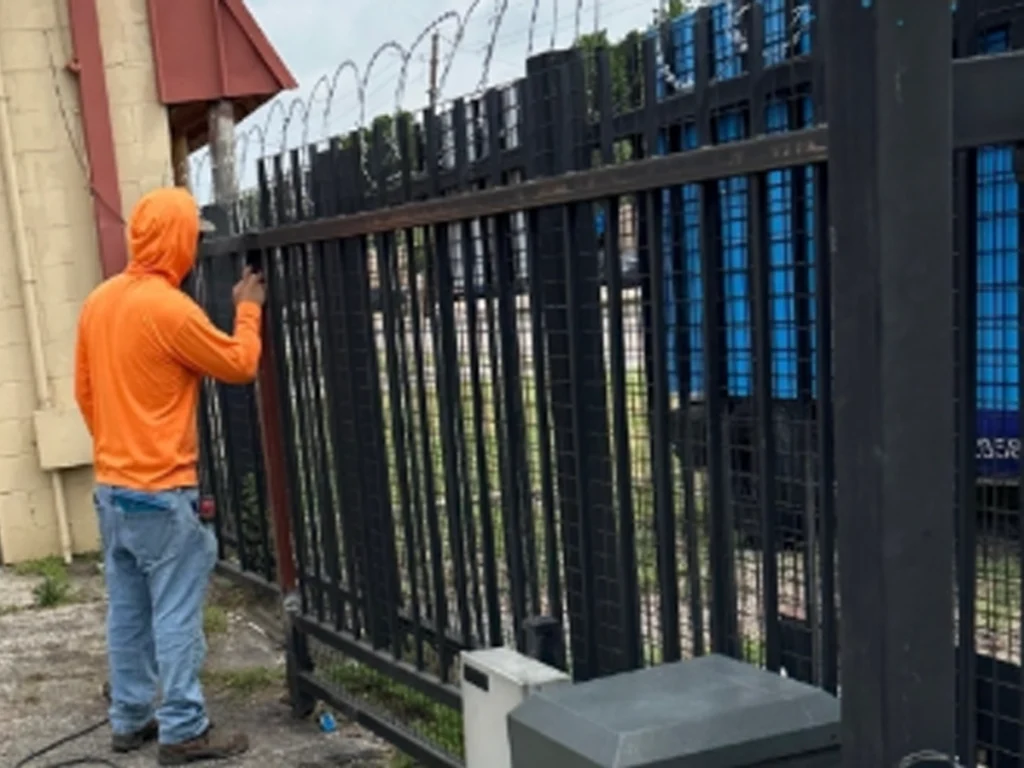
For Farmers Branch property owners, gate maintenance is not just a seasonal task. Instead, it is part of protecting safety, security, privacy, and long term property value. A gate that works smoothly today can become noisy, stuck, misaligned, rusty, or unsafe when weather stress builds over time.
Fences and gates sit outside every day. They face sun, rain, wind, humidity, soil movement, and sudden cold snaps. Therefore, they need regular checks before small issues turn into expensive repairs. Wood can warp, metal can rust, hinges can loosen, operators can strain, and posts can shift.
Everlast Gates & Fence understands that North Texas properties need strong, practical care plans. A home gate, commercial entry, privacy fence, or security fence can only do its job when the materials stay stable and the moving parts stay aligned.
AI Overview
Gate maintenance helps Farmers Branch property owners protect fences and gates from Texas heat, storms, wind, moisture, rust, and soil movement. Regular care can reduce breakdowns, extend material life, improve curb appeal, and keep gates safe. Wood fences may need sealing, cleaning, and post checks. Metal gates may need rust control, hinge care, and alignment checks. Automatic gates may need sensor, motor, and power inspections after storms or heat waves.
Texas Heat Can Dry Out Wood And Stress Gate Parts
Texas heat can be intense, especially during long summer stretches. When fences and gates sit in direct sun, materials expand, dry, and weaken over time.
Heat can affect fences and gates through:
• Dry wood that cracks, shrinks, or splinters
• Metal parts that expand and place stress on hinges
Wood fences and gates can lose moisture during hot weather. As a result, boards may cup, twist, or pull away from rails. Also, dry wood may absorb rain unevenly later, which can speed up warping.
Metal gates also respond to heat. Hinges, brackets, bolts, and frames may expand during the day and contract at night. Over time, that movement can loosen hardware and make the gate feel uneven.
Automatic gate systems may also struggle during hot weather. Motors, control boxes, wiring, batteries, and sensors can face added stress when heat builds around the system. Therefore, summer gate maintenance should include more than a quick look.
A practical summer check should include:
• Looking for cracked wood, loose bolts, and sagging panels
• Testing the gate movement before heat related stress grows
Farmers Branch property owners should not wait until a gate sticks or drags. A simple tuneup can often prevent bigger repair needs.
Storms Can Shift Posts And Knock Gates Out Of Line
Strong storms are common across North Texas. Heavy rain, wind, lightning, and hail can all affect fence and gate systems.
Storm damage may include:
• Loose posts and leaning fence sections
• Bent hinges, damaged latches, and twisted gate frames
A fence may look fine after a storm, but the posts may have moved slightly. Once posts shift, the gate connected to them can lose alignment. Then, the latch may miss, the gate may drag, or an automatic opener may strain.
Wind can push broad fence panels like a sail. This can place heavy pressure on posts, rails, and fasteners. If the soil is wet, the posts may move more easily. Then, the gate line may slowly shift out of place.
Hail may also damage finishes, coatings, and wood surfaces. Small chips in paint or protective coating can expose metal to moisture. Once that happens, rust can begin.
After a major storm, property owners should inspect:
• Fence posts, gate posts, hinges, and latches
• Operator arms, tracks, sensors, and control boxes
For more related planning, Everlast Gates & Fence also shares guidance on fence gate maintenance in Farmers Branch. Regular storm checks help keep property access safe and reliable.
Rain And Moisture Can Cause Rust, Rot, And Swelling
Rain is helpful for lawns, but it can create problems for fences and gates. Moisture can soak into wood, collect around posts, and settle on metal hardware.
Moisture related issues may include:
• Wood rot near posts, rails, and lower boards
• Rust on hinges, screws, frames, tracks, and latches
Wood is especially vulnerable when water stays near the bottom of the fence. If boards touch wet soil or mulch, they may absorb moisture again and again. Over time, the wood can soften, discolor, or break apart.
Metal gates and fences need coating protection. Once paint, powder coating, or sealant is scratched, moisture can reach the metal below. Then rust can spread from a small spot to a larger repair issue.
Moisture can also affect automatic gates. Water near control boxes, wires, keypads, and sensors can cause unreliable operation. Therefore, gate maintenance should include both structure and system checks.
A rain focused maintenance plan should include:
• Clearing debris and soil buildup near fence bottoms
• Checking metal parts for early rust or worn coating
The goal is simple. Keep water from sitting where it can weaken materials. Also, fix small moisture problems before they become full repairs.
Soil Movement Can Make Fences Lean And Gates Drag
North Texas soil can move when moisture changes. After rain, soil may swell. During heat and drought, soil may shrink. This cycle can loosen fence and gate posts.
Soil movement can lead to:
• Leaning fence posts and uneven fence lines
• Gates that drag, bind, or fail to latch
A fence depends on stable posts. If soil pulls away from the post base, the post may begin to move. If soil becomes soft after rain, the post may shift under pressure. Either way, the fence line can change.
Gate posts are even more important because they carry moving weight. Every time a gate opens or closes, it places stress on the post. If the post base moves, the gate may lose its level position.
Farmers Branch property owners should watch for early warning signs, such as:
• A gate latch that no longer lines up
• A fence section that looks lower on one side
These small clues often show that soil movement has already affected the structure. Quick gate maintenance can help correct alignment before motors, hinges, or frames suffer more damage.
For property owners considering stronger access options, this guide on driveway automatic gate installation in Farmers Branch may also be helpful.
Wind Can Loosen Fasteners And Weaken Large Fence Runs
Wind is one of the most common causes of fence and gate stress. Large fence panels can catch wind, especially on open lots, corner lots, and commercial properties.
Wind can cause:
• Loose screws, nails, brackets, and bolts
• Bowed panels, rattling gates, and weakened posts
Even moderate wind can create repeated movement. Over time, that movement can loosen fasteners and widen small gaps. Then, the fence may start to shake more during future storms.
Wood fences may lose boards when fasteners back out. Metal gates may rattle when bolts loosen. Sliding gates may come out of alignment if tracks or rollers are affected by debris and movement.
Routine wind related gate maintenance should include:
• Tightening hardware and checking frame movement
• Looking for panels that flex too much in storms
Wind damage often starts quietly. A small rattle can become a loose hinge. A loose hinge can become a sagging gate. A sagging gate can strain an opener or damage a latch.
Because of this, property owners should not ignore noise. If a gate shakes, bangs, or squeaks after windy weather, it needs attention.
Sun Exposure Can Fade Finishes And Reduce Protection
The Texas sun does more than make outdoor spaces hot. It can also fade finishes, dry sealants, and weaken surface protection.
Sun exposure can affect:
• Stain, paint, and sealant on wood fences
• Protective coatings on iron and metal gates
When finishes break down, the material underneath becomes more exposed. Wood may absorb water more easily. Metal may begin to rust. Vinyl or composite materials may fade or become brittle in extreme conditions.
This is why appearance and protection are connected. A faded fence may not only look older. It may also have less defense against moisture and weather.
A good maintenance plan should include:
• Checking if water still beads on sealed wood
• Looking for dull, chipped, or thin coating on metal
If the finish looks worn, the fence or gate may need cleaning, sanding, resealing, repainting, or touchup work. These steps can extend the life of the material and improve curb appeal.
Everlast Gates & Fence offers helpful related reading on wood fencing in Farmers Branch, especially for owners who want better privacy and a warmer natural look.
Cold Snaps Can Affect Hinges, Operators, And Metal Parts
Although Farmers Branch is known for heat, sudden cold weather can still affect fences and gates. Temperature drops can cause materials to contract and stiffen.
Cold weather may lead to:
• Hinges and latches that feel tight or slow
• Gate operators that work harder than usual
Metal parts contract in cold weather. If a gate was already slightly misaligned, the cold can make the issue more obvious. A latch may stick. A hinge may squeak. A sliding gate may move unevenly.
Automatic gates may also react to temperature changes. Batteries can lose performance in cold conditions. Grease may thicken. Sensors may become unreliable if moisture or ice affects them.
Winter gate maintenance should include:
• Testing the gate before heavy use
• Checking lubrication, battery health, and sensor response
A cold snap may not damage a well maintained gate. However, it can expose hidden problems. Therefore, winter checks are a smart part of year round care.
Property owners should avoid forcing a stuck gate. Forcing the gate can bend hardware, damage motors, or pull posts out of alignment.
Humidity Can Speed Up Rust And Mold Growth
Humidity may not always feel as dramatic as storms or heat, but it can still affect fences and gates. Moist air can settle on surfaces and keep materials damp for longer periods.
Humidity can contribute to:
• Rust on exposed metal and hardware
• Mold, mildew, or staining on wood surfaces
Wood fences in shaded areas may stay damp after rain. If leaves, grass, or debris collect near the fence, the material may dry slowly. That can lead to dark spots, mildew, and early decay.
Metal gates can also suffer when humidity meets chipped coating. Small scratches can turn into rust spots. If those spots are ignored, they can spread and weaken the finish.
A humidity focused maintenance routine should include:
• Cleaning dirt, leaves, and organic buildup
• Treating rust and mildew while they are still small
This is especially important for properties with irrigation systems. Sprinklers that hit the fence or gate every day can create ongoing moisture stress.
Good gate maintenance looks at both weather and property habits. Sometimes the problem is not only the weather. It is also how water, plants, and soil interact with the structure.
Automatic Gates Need Extra Care During Weather Shifts
Automatic gates bring comfort, security, and control. However, they also include moving and electrical parts that need weather aware maintenance.
Weather can affect automatic gates through:
• Sensor problems after rain, dust, or debris
• Motor strain from misalignment, heat, or cold
An automatic gate should move smoothly. If the gate drags, binds, shakes, or stops halfway, the operator may be working too hard. That can shorten the life of the system.
After storms, debris can block photo eyes or tracks. After heat waves, batteries and control boards may need checks.
A smart maintenance visit may include:
• Testing safety sensors, remotes, keypads, and access controls
• Checking hinges, rollers, tracks, batteries, wiring, and motor load
Property owners should not treat the opener as separate from the gate. If the gate frame or post is out of line, the opener will feel the strain. That is why structural maintenance and operator maintenance should work together.
For more related information, see Everlast Gates & Fence guidance on electric gate repair in Farmers Branch.
Commercial Properties Face Higher Weather And Use Demands
Businesses, warehouses, offices, and managed properties often use gates more often than single family homes. That higher use makes weather damage more serious.
Commercial gates may face:
• Frequent opening and closing during peak hours
• More exposure to vehicles, deliveries, wind, and debris
When a commercial gate fails, it can affect operations. Deliveries may slow down. Staff may lose access. Customers may see a poor first impression. Security may also be weakened.
Because of that, commercial gate maintenance should follow a clear schedule. Waiting for a breakdown can lead to downtime and emergency repairs.
Commercial property owners should check:
• Gate speed, alignment, controls, access systems, and safety features
• Fence line stability, post strength, hinges, rollers, and locks
Farmers Branch business owners may also need to consider local building and property rules. The City of Farmers Branch Building Inspection Division administers building, zoning, and property maintenance ordinances, and the city provides information on permits, inspections, and current building codes.
For business focused planning, Everlast Gates & Fence also has a guide on commercial gate installation in Farmers Branch.
Fence And Gate Maintenance Helps Control Long Term Costs
Routine maintenance may feel easy to delay. However, weather damage usually becomes more costly when ignored.
Regular care can help prevent:
• Full post replacement after avoidable movement
• Gate operator damage caused by poor alignment
A fence panel with loose fasteners may be a small repair today. If wind tears it loose later, the repair may involve several sections. A small rust spot may need cleaning and coating. If ignored, it may require cutting, welding, or replacement.
The same is true for gates. A squeaky hinge may need adjustment and lubrication. A neglected hinge may bend the gate frame or damage the post. A dragging automatic gate may only need alignment at first. Later, it may damage the motor.
Preventive gate maintenance can protect:
• Repair budgets and replacement timelines
• Security, access, safety, and curb appeal
The best time to maintain a gate is before it fails. This is especially true in Texas, where weather can change quickly and place sudden stress on outdoor systems.
A simple seasonal plan can save money by catching small problems early.
A Seasonal Maintenance Schedule Works Best In Farmers Branch
Because Texas weather changes through the year, a seasonal plan is more useful than random repairs. Each season brings different fence and gate concerns.
Spring maintenance should focus on:
• Storm damage, loose posts, and drainage problems
• Rust spots, wood swelling, and hardware checks
Summer maintenance should focus on:
• Dry wood, faded finishes, and heat stress
• Gate motors, batteries, hinges, and moving parts
Fall maintenance should focus on:
• Cleaning debris, trimming plants, and checking alignment
• Preparing coatings, seals, and operators before cold weather
Winter maintenance should focus on:
• Lubrication, battery health, and latch function
• Checking damage after freezes, wind, or heavy rain
This schedule does not need to be complicated. The key is consistency. Property owners should inspect the fence and gate after major weather events and at least several times each year.
A professional maintenance visit can also help confirm what needs attention first. That helps owners plan repairs instead of reacting to breakdowns.
When To Call A Professional For Gate Maintenance
Some basic checks can be done by the property owner. However, many fence and gate issues need professional attention.
Call a professional when you notice:
• A gate that drags, shakes, or does not close
• Leaning posts, rust, rot, cracks, or loose hardware
Automatic gate issues should be handled carefully. Motors, control panels, sensors, power supplies, and access systems require the right tools and knowledge. A small mistake can create safety risks or cause more damage.
Professional gate maintenance is also helpful when the problem has several causes. For example, a gate may drag because of soil movement, a weak post, worn hinges, and opener strain. Fixing only one part may not solve the whole issue.
A professional team can review:
• Fence structure, gate movement, hardware, and safety features
• Weather damage, soil movement, drainage, and future repair needs
Everlast Gates & Fence helps Farmers Branch property owners make informed decisions. The goal is to keep fences and gates safe, strong, and reliable through changing Texas weather.
Why Farmers Branch Property Owners Choose Everlast Gates & Fence
Everlast Gates & Fence understands that property owners need more than a quick repair. They need practical advice, reliable work, and maintenance plans that fit Texas conditions.
Farmers Branch owners benefit from a team that understands:
• How weather affects wood, metal, posts, gates, and operators
• How security, privacy, curb appeal, and access work together
A gate protects more than an opening. It controls access, supports property value, and shapes the first impression of a home or business. A fence does the same across the full property line.
When weather causes wear, small issues can spread quickly. That is why regular gate maintenance matters. It helps prevent surprise failures, reduce safety risks, and keep the property looking cared for.
Everlast Gates & Fence can help with wood fences, iron fences, sliding gates, swing gates, automatic gates, commercial gates, access controls, and repair planning. Each property is different, so the right maintenance plan should match the material, use level, and weather exposure.
For decision makers, the value is clear. Strong maintenance protects daily function and long term investment.
FAQs About Gate Maintenance In Farmers Branch
1. How often should I schedule gate maintenance in Farmers Branch?
Most gates should be checked at least twice a year, especially before summer heat and after storm season. High use gates may need more frequent service. Regular maintenance helps catch loose hardware, rust, alignment problems, sensor issues, and post movement before they become larger repairs.
2. What weather causes the most gate damage in Texas?
Heat, heavy rain, wind, hail, humidity, and soil movement can all damage gates. Heat can dry wood and stress metal parts. Rain can cause rust and rot. Wind can loosen fasteners. Soil movement can shift posts, causing gates to drag or stop latching correctly.
3. Do automatic gates need special weather maintenance?
Yes, automatic gates need extra care because they include motors, sensors, wiring, batteries, access controls, and moving parts. Weather can affect all of these systems. A professional check can test safety features, inspect alignment, clear debris, and reduce strain on the opener.
4. How can I protect a wood fence gate from Texas heat?
You can protect a wood fence gate by keeping it sealed, cleaning it regularly, checking for cracks, and fixing loose boards early. It also helps to keep sprinklers from soaking the wood. When wood stays protected, it is less likely to warp, split, or decay.
5. When should I call Everlast Gates & Fence for maintenance?
Call Everlast Gates & Fence when your gate drags, sticks, squeaks, leans, shakes, or fails to latch. You should also call after strong storms, visible rust, post movement, or automatic gate problems. Early service can help prevent costly repairs and improve property security.
16. Schema Ready Q&A Content
Question: How does Texas weather affect gate maintenance?
Answer: Texas weather affects gate maintenance by exposing fences and gates to heat, storms, wind, rain, humidity, and soil movement. These conditions can dry wood, rust metal, loosen hardware, shift posts, and strain automatic gate systems. Regular maintenance helps property owners catch these problems early and avoid larger repairs.
Question: Why is gate maintenance important in Farmers Branch?
Answer: Gate maintenance is important in Farmers Branch because local properties face North Texas weather changes throughout the year. Strong heat, storm activity, and moisture shifts can affect gate alignment, fence posts, hinges, latches, and automatic openers. Routine care helps protect access, security, safety, and curb appeal.
Question: What are common signs that a gate needs maintenance?
Answer: Common signs include dragging, squeaking, shaking, slow movement, loose hinges, rust, misaligned latches, sensor problems, and leaning posts. If an automatic gate stops halfway or makes unusual sounds, it should be checked quickly. These symptoms often point to weather stress or worn parts.
Question: Can regular gate maintenance prevent expensive repairs?
Answer: Yes, regular gate maintenance can prevent expensive repairs by catching small problems early. Loose bolts, rust spots, weak hinges, and minor alignment issues are easier to fix before they damage motors, posts, frames, or fence sections. Preventive care can also extend the life of the whole gate system.
Question: What should a professional gate maintenance visit include?
Answer: A professional gate maintenance visit should include inspection of posts, hinges, latches, fasteners, frames, tracks, rollers, sensors, motors, controls, and safety features. The technician should also look for weather damage, rust, rot, soil movement, drainage concerns, and signs of future failure.
Conclusion
Gate maintenance is one of the smartest ways to protect fences and gates from Texas weather. Heat can dry wood and stress metal. Storms can shift posts and damage hardware. Rain can cause rust, rot, and swelling. Wind can loosen panels and gates. Soil movement can make even a strong gate fall out of line.
For Farmers Branch property owners, routine care helps protect safety, privacy, security, curb appeal, and long term value. It also reduces surprise breakdowns and helps avoid higher repair costs.
Everlast Gates & Fence provides practical fence and gate solutions for local homes, businesses, and managed properties. Whether your gate is wood, iron, sliding, swing, manual, or automatic, a weather aware maintenance plan can keep it working better for longer.
At Everlast Gates & Fence, we also offer reliable gate and fence services tailored to residential and commercial properties. Specializing in installing, repairing, and maintaining iron and wood gates and fences along with expert solutions for electric gates, automatic gates, sliding gates, and driveway gates. We also provide professional gate diagnostics, access control systems, customized designs, and comprehensive security enhancements to meet your unique needs and let us ensure your gates are in expert hands so you can enjoy safety, style, and convenience with complete peace of mind.
Call To Action
Protect your fence and gate before Texas weather causes bigger problems. Contact Everlast Gates & Fence today for reliable gate maintenance in Farmers Branch, TX.
Phone: 469 813 8801
Location: 4099 McEwen Rd # 307, Farmers Branch, TX 75244
