


Texas Weather and Your Gate Need a Smart Repair Plan
Here is a surprising fact about Texas weather and your gate. The National Weather Service recorded a 102 degree high at Dallas Fort Worth on September 7, 2026. Yet North Texas property owners must also plan for strong storms, hail, heavy rain, and winter freezes. Therefore, one gate may face heat, water, impact, and cold stress within a single service year.
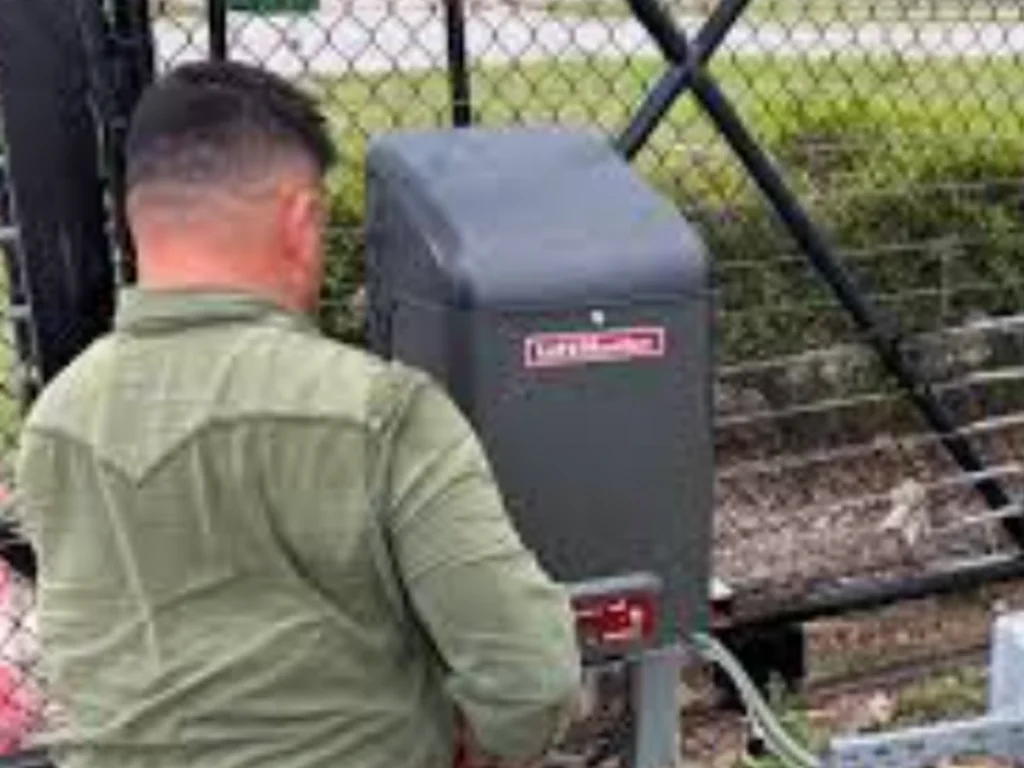
Texas weather may affect a gate through heat, sun, wind, hail, rain, soil movement, lightning, or freezing moisture. Common warning signs include faded coatings, rust, cracked wood, loose hinges, bent frames, standing water, sensor faults, slow movement, and new sounds. However, one symptom does not prove one cause. A trained technician should inspect the gate, operator, supports, drive parts, wiring, drainage, and safety devices before recommending repair. Southlake property owners can reduce risk by checking the system after severe weather, keeping its path clear, and following the manufacturer’s maintenance plan.
Weather damage often begins quietly. A small coating chip exposes metal. Water reaches that spot, and rust can spread. Likewise, a gate may look straight after high wind while a hinge plate or operator mount has shifted. Early checks help owners find these changes before access fails.
Watch for these first clues:
- New rubbing, squeaking, grinding, shaking, or uneven speed.
- Rust, peeling finish, cracked wood, loose hardware, or bent parts.
- Water near the operator, control box, conduit, track, or post base.
- A gate that no longer closes squarely or reaches its normal limit.
How Does Extreme Heat Affect a Gate?
North Texas heat can warm metal frames, dark finishes, control boxes, and exposed operator covers. Materials expand as they heat, although the amount depends on the material, length, and temperature change. Consequently, a tight gate may rub when clearances are already too small.
Heat may also reveal weak electrical parts or old seals. Yet a hot cover does not prove that the motor has failed. Direct sun alone can raise surface temperature. Therefore, diagnosis should include operating load, wiring condition, ventilation, voltage, and the maker’s limits.
Wood gates can lose moisture during long hot periods. Boards may shrink, split, cup, or pull against fasteners. Meanwhile, ultraviolet light can fade finishes and weaken unprotected coatings. Planned sealing and prompt surface repairs can slow that exposure.
Heat related signs include:
- Rubbing that becomes worse during the hottest part of the day.
- Faded paint, dry wood, open joints, cracked sealant, or brittle covers.
- Slow powered movement, unusual stops, or a motor that sounds strained.
- Intermittent controls that return after the equipment cools.
What Damage Can Strong Wind Cause?
A solid gate catches more wind than an open design. Therefore, a wide privacy gate can place heavy force on posts, hinges, welds, brackets, and operator arms during a storm. The exact load varies with gate size, design, wind speed, exposure, and installation.
Wind can push a swing gate past its normal position. It may bend an arm, twist a frame, loosen a bracket, or disturb a limit setting. On sliding gates, wind can press the frame against guides and rollers. Flying limbs or debris can add direct impact damage.
After a major storm, do not keep cycling a gate that leans or binds. Repeated powered use may add stress to a part that has already moved. Instead, keep the travel area clear and request a professional inspection.
Wind damage clues include:
- A changed gap near the latch, post, curb, or fence line.
- Fresh scrape marks, loose mounts, cracked welds, or a bent frame.
- An operator arm that sits at a different angle than before.
- A slide gate that presses against its guide or sways during travel.
Why Hail and Flying Debris Need Close Inspection
Hail can dent thin metal, chip coatings, crack plastic covers, and mark wood. Flying debris may cause deeper impact at one point. Even when the gate still moves, a broken finish can expose steel to moisture and begin a corrosion site.
Solar gate panels also need inspection after hail. A visible crack, loose frame, damaged cable, or water entry may affect output. However, owners should not handle broken glass or exposed wiring. A qualified technician can check the panel, charge system, connections, and operator.
Cosmetic damage and structural damage should be separated. A shallow dent may only affect appearance. In contrast, a bent frame, broken weld, shifted hinge, or damaged guide can change movement and create unsafe load.
Check safely for:
- Dents, chipped paint, cracked covers, broken trim, and sharp edges.
- Bent pickets, frames, hinges, brackets, tracks, guides, or solar mounts.
- New water paths into an operator housing or electrical enclosure.
- Motion changes that started immediately after the storm.
How Rain and Drainage Damage Gate Systems
Outdoor gate equipment is made for its listed use, but that does not make every component safe under standing water. Failed seals, loose conduit, damaged covers, low mounting, and poor drainage can increase exposure. Water can also carry soil and grit onto a track.
At the frame, rain can reach scratched steel, open wood grain, fastener holes, and damaged joints. As a result, rust, swelling, and finish failure may begin. At the ground, repeated saturation can contribute to soil movement around posts and concrete supports.
Drainage deserves attention because water can move the support system without leaving an obvious broken part. A gate may slowly sag, scrape, or miss its latch. The repair should address both alignment and the water path when evidence links them.
Rain related warning signs include:
- Standing water near posts, tracks, operators, outlets, or control boxes.
- Mud, grit, leaves, or stones packed into a sliding gate path.
- Swollen wood, rust stains, peeling finish, or damp electrical spaces.
- A gate that changes position after heavy rain or ground saturation.
Why Rust Can Spread From a Small Coating Chip
Paint and protective finishes help separate metal from moisture and air. Once a coating chips, exposed steel may begin to oxidize. Salt, fertilizer, irrigation, and trapped debris can also affect the local surface. However, the speed of corrosion depends on the material and exposure.
Surface rust does not always mean that a gate needs replacement. A technician can assess depth, location, and effect on strength. Rust near a weld, hinge, bearing, fastener, or support needs special care because those areas carry load.
For more planning guidance, review the Southlake electric gate maintenance guide. The correct coating repair still depends on surface preparation and compatibility with the existing finish.
Rust control may involve:
- Cleaning and assessing the metal before loose material is covered.
- Repairing chips with a compatible primer, coating, and finish system.
- Correcting trapped water, blocked drainage, or repeated sprinkler spray.
- Replacing a part when corrosion has reduced safe strength or movement.
What Freezing Weather Can Do to a Gate
Freezing water expands. Therefore, moisture inside a crack, joint, track, or unsealed space may create added pressure when temperatures fall. Ice on a ground track can also block wheels and make a powered gate strain.
Cold can change battery output and expose weak connections. Some grease also becomes less effective outside its intended temperature range. Still, a winter slowdown should not be blamed on one part without checking the full system.
Never force a gate through visible ice. Clear access only when it can be done without entering a pinch area or touching electrical equipment. If the gate binds, leave it stopped and arrange qualified service.
Freeze warning signs include:
- Ice, frozen debris, or standing water along the travel path.
- A battery system that loses capacity or fails during cold conditions.
- Cracked sealant, split wood, damaged covers, or water inside an enclosure.
- Movement that becomes slow, rough, or incomplete after a freeze.
Can Soil Movement Put a Gate Out of Alignment?
Gate posts and operator pads depend on stable support. Soil may shrink during dry heat and swell after heavy rain. In some settings, that movement can affect the gate line, although only an on site check can confirm the cause.
Alignment changes can make hinges bind, wheels rub, chains pull sideways, and latches miss. The operator then faces more resistance. Simply increasing force is not a sound answer because it can hide the movement while raising stress elsewhere.
A professional gate diagnostic should compare the posts, frame, clearances, travel, and support points. This overview of professional gate diagnostic service explains why a full system check matters.
Possible alignment clues include:
- New gaps, dragging, rubbing, or a latch that no longer meets correctly.
- A post, guide, rail, or operator pad that appears tilted or cracked.
- A swing leaf that rises or falls as it moves.
- A sliding gate that no longer follows a straight, smooth path.
How Lightning and Power Events Affect Gate Controls
Lightning does not need to strike the gate directly to create an electrical event nearby. Power changes may affect control boards, access devices, communication lines, chargers, or connected equipment. However, a failed control after a storm needs testing before anyone names the damaged part.
Owners should look for obvious danger without opening covers. Smoke, a burning smell, exposed wire, water, or repeated breaker operation requires a stop. Do not reset the system again and again when a fault returns.
Surge protection and grounding should match the equipment, site, and applicable rules. A qualified professional can review these measures, but no device can promise protection from every lightning event.
Electrical storm clues include:
- A keypad, intercom, loop, photo eye, or remote receiver stops responding.
- The operator has power but will not complete its normal cycle.
- A breaker or protective device trips again after one reset.
- Several linked access devices fail at the same time.
Why Sensors May Act Differently After Storms
Photo eyes and edge sensors help protect areas where entrapment may occur. Windblown dirt, plant growth, impact, water, loose mounts, or damaged wiring can affect their condition. A gate may stop or reverse because a safety input detects a problem.
Never bypass a sensor to restore access. The UL gate operator guidance explains that access control and gate operators involve important safety requirements. Therefore, a weather inspection should include every installed safety device.
Sensor concerns may include:
- Dirty lenses, loose brackets, cracked housings, or exposed wiring.
- A gate that reverses with no visible object in its path.
- A device that fails a test required by its maker.
- Landscaping or storm debris that blocks the sensing area.
What Should Owners Check After Severe Weather?
Begin from outside the gate path. Look for unstable parts, fallen limbs, loose wires, standing water, and visible impact. If danger is present, keep people and vehicles away. Do not cycle the gate merely to see whether it still works.
When the area appears safe, record what changed. Note the storm type, time, sound, movement, and affected side. Photos taken from a safe place can help a service team prepare. Yet photos cannot replace hands on diagnosis.
The National Weather Service provides Dallas Fort Worth climate and weather information. Property managers can use official warnings to decide when a planned post storm inspection is reasonable.
A safe owner checklist includes:
- Observe the frame, posts, hinges, rollers, track, guides, and operator cover.
- Check for water, debris, dents, rust, cracked wood, and changed gaps.
- Record control, sound, speed, stop, and reversal changes.
- Call for help before using a gate that appears unstable or electrically unsafe.
When Does Weather Damage Need Gate Repair?
Some surface changes can wait for planned maintenance. Other signs call for prompt repair. The difference depends on stability, safe movement, access needs, and whether damage may spread. When in doubt, stop use and ask a qualified technician.
Prompt service is sensible when the gate drags, leans, shakes, derails, or cannot close. It is also sensible after electrical faults, sensor damage, operator water entry, broken welds, or major impact. Timely work may prevent a small fault from loading other parts.
For a deeper local explanation, see why timely gate repair helps protect Southlake properties. A careful repair starts with a confirmed condition, not an assumed weather story.
Call a professional when:
- The gate may fall, leave its path, swing freely, or strike another object.
- Movement is rough, slow, noisy, incomplete, or different after a storm.
- Wiring, controls, sensors, solar parts, or operator seals show damage.
- A temporary adjustment has returned, which suggests an unresolved cause.
A Practical Southlake Field Example
Consider this illustrative example, not a claim about a specific customer. After a strong storm, a solid swing gate begins rubbing its latch post. The owner may assume that the motor lost its limit. However, inspection could reveal a shifted hinge bracket, post movement, wind load damage, or several issues together.
A sound repair process first secures the area. Next, the technician checks the frame, posts, hinges, mounts, manual resistance, operator geometry, and safety devices. Only then can the actual findings guide repair. This order avoids replacing a control part when the mechanical gate caused the symptom.
This example shows two useful principles:
- The timing of a symptom suggests a cause but does not prove it.
- Gate and operator checks belong in one complete diagnostic process.
How Preventive Care Reduces Weather Risk
Maintenance cannot stop a storm. However, it can remove loose hardware, open coating damage, blocked drainage, and worn parts before weather adds stress. It also creates a known baseline for sound, speed, alignment, and safety operation.
The right schedule depends on gate design, maker guidance, cycles, exposure, and property needs. A busy commercial gate may need more frequent checks than a private driveway. Similarly, a shaded wood gate may age differently from one facing full afternoon sun.
Property owners considering material choices can review this guide to long term gate fabrication materials. Good design, coating, drainage, and service work together.
A useful maintenance plan includes:
- Inspection before storm seasons and after meaningful weather events.
- Approved cleaning, lubrication, coating care, and drainage work.
- Written records of faults, repairs, parts, safety tests, and recurring changes.
- Fast response when a new noise, gap, rust spot, or control issue appears.
Frequently Asked Questions About Weather Damaged Gates
Can hot Texas weather damage an automatic gate opener?
Heat can raise equipment temperature and may expose weak parts, poor ventilation, high load, or aged seals. However, a hot cover alone does not prove operator damage. If the gate slows, stops, smells hot, or becomes unreliable, stop repeated cycling and have the gate load, power, controls, and operator checked.
Should I open my electric gate during a storm?
Follow the site plan and manufacturer’s instructions. Do not operate a gate when wind, flooding, debris, damaged wiring, or unstable hardware makes movement unsafe. Never stand in its path or force it by hand. If access is essential, use the approved manual release only when conditions and product instructions allow safe use.
How do I protect a metal gate from rust after rain?
Keep drainage open, limit sprinkler exposure, clean trapped debris, and repair coating chips with compatible products. Inspect welds, hinges, fasteners, and lower frame areas where water may remain. Surface rust may be repairable, but deep corrosion near load points needs professional assessment before coating covers the evidence.
Can freezing weather stop a driveway gate from working?
Yes, ice can block a track or moving joint, while cold may reduce battery output or expose weak electrical connections. Still, the exact cause requires inspection. Do not force a gate through ice or raise operator force. Clear only safe areas, keep away from pinch points, and request service if movement remains rough.
What gate damage should I check after high winds?
From a safe location, look for changed gaps, leaning posts, bent frames, loose brackets, cracked welds, damaged operator arms, and debris. Also note rubbing, sway, or uneven movement. Do not cycle a gate that appears unstable. A professional should inspect the supports, gate, drive, controls, and safety devices before regular use
Conclusion: Protect Your Gate Through Every Season
Texas weather and your gate create a demanding maintenance problem. Heat can expose tight clearances and weak parts. Wind and hail can cause impact or movement. Rain can start corrosion and drainage trouble. Freezing water can block travel, while storms may affect controls and sensors.
Still, weather timing does not prove the failed part. The safest choice is an evidence based inspection that covers the frame, supports, hardware, operator, wiring, and safety devices. Early service helps protect access and may reduce added damage.
Everlast Gates & Fence provides professional gate repair and maintenance for Southlake homes, communities, and commercial properties. Contact our team to inspect weather related changes and explain repair options that fit your actual gate.
At Everlast Gates & Fence, we also offer reliable gate and fence services tailored to residential and commercial properties. Specializing in installing, repairing, and maintaining iron and wood gates and fences along with expert solutions for electric gates, automatic gates, sliding gates, and driveway gates. We also provide professional gate diagnostics, access control systems, customized designs, and comprehensive security enhancements to meet your unique needs and let us ensure your gates are in expert hands so you can enjoy safety, style, and convenience with complete peace of mind.
Phone: (817) 203-2887,
Location: Southlake, TX
