


Texas has faced 126 severe storm related billion dollar disasters from 1980 through 2024, according to NOAA. That number shows how often harsh weather hits the state and why North Texas gate maintenance should never be delayed.
For homeowners, property managers, and business leaders in Dallas, storm season can create costly gate problems fast. Heavy rain, hail, strong wind, lightning, and flooding do not just affect roofs and siding. They also strain hinges, operators, tracks, control panels, safety devices, and gate frames. Ready.gov notes that severe weather often includes damaging winds, large hail, flooding, and flash flooding, which can harm exposed outdoor systems.
That is why North Texas gate maintenance matters so much. It helps you spot hidden issues early, lower repair costs, reduce downtime, and protect security. At Everlast Gates & Fence, we help Dallas property owners understand what storms do to gate systems and what steps keep them working with fewer surprises.
If you have already seen how weather affects other exterior features, you may also like this guide on how Dallas weather impacts fence longevity and how to build smarter. In the same way, storm planning for gates works best when you act before small wear becomes major damage.
1. Strong Wind Can Push Gates Out of Alignment
• Strong gusts can shift gate panels, posts, hinges, rollers, and tracks.
• Even slight movement can cause scraping, dragging, or poor closing.
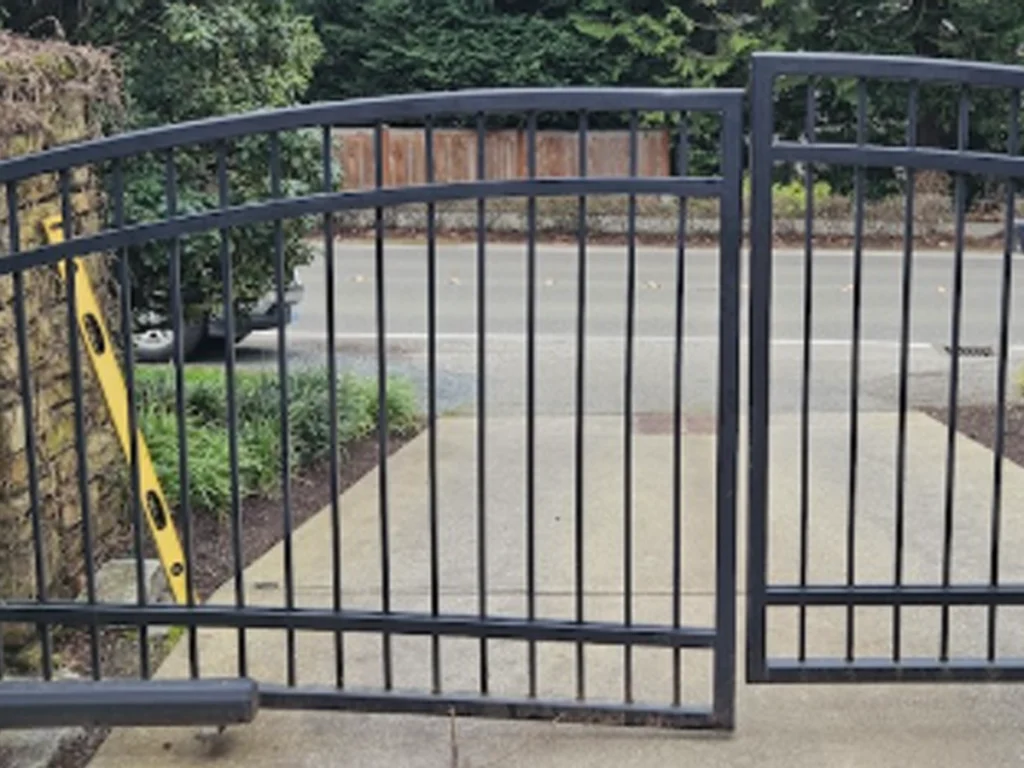
North Texas storms often bring powerful wind. When that wind hits a gate over and over, the pressure can force panels to move out of line. Swing gates may sag or start rubbing the driveway. Sliding gates may drift off smooth travel. In many cases, the first sign is a gate that opens slower, closes unevenly, or makes new noises.
This matters because alignment issues do not stay small for long. Once a gate moves off balance, the operator must work harder. That extra strain can shorten the life of the motor, wear down hinges, and increase the chance of a full breakdown during the next storm.
Therefore, one of the smartest parts of North Texas gate maintenance is a post storm alignment check. Property owners should look for gaps that seem uneven, signs of dragging, and movement around the post base. A fast inspection today can prevent a much larger repair later.
For more practical upkeep ideas, see easy maintenance tips to keep your swing gate working smoothly. It pairs well with storm season planning because smooth movement depends on early correction.
2. Hail Can Damage Gate Surfaces and Components
• Hail can dent metal panels, chip finishes, and weaken protective coatings.
• It can also strike sensors, keypads, and exposed accessories.
Large hail is a serious North Texas threat. NOAA documents severe storm events in Texas that included hail damage across major cities, including Dallas. When hail hits a gate system, the problem is not always just cosmetic. Repeated impact can crack paint, expose bare metal, and create starting points for rust.
On wood gates, impact and moisture together can speed up swelling, splitting, and surface wear.
As a result, North Texas gate maintenance should always include a close look at the finish after hail. If the coating is broken, a simple touch up or repair can help stop deeper deterioration. This is especially important for decision makers who manage curb appeal, tenant safety, or customer access.
You can also explore the ultimate guide to welding broken gates for long term durability if storm impact has already led to cracks or structural weakness.
3. Heavy Rain Can Lead to Rust, Swelling, and Rot
• Rain creates long exposure to moisture on gate frames and hardware.
• Water can damage metal, wood, and electrical parts in different ways.
Rain may look less dramatic than wind or hail, yet it causes slow and expensive damage. When water sits on hinges, chains, brackets, welds, or fasteners, rust can begin or spread faster. When wood gates absorb too much water, they can swell, warp, or soften.
Moisture is also a major concern for automated gates. Control boxes, junction points, and underground wiring can all be affected if seals fail or drainage is poor. In some cases, a gate that worked during the storm stops the next morning because moisture reached a sensitive component.
That is why North Texas gate maintenance should include seal checks, coating checks, drainage reviews, and hardware inspections after long rain events. According to Ready.gov, severe weather can include flooding and flash flooding, which makes water exposure a real risk for outdoor access systems.
Property owners who want stronger weather resistance may also find value in complete guide to electric gate troubleshooting for Dallas properties, especially when storm moisture affects automated performance.
4. Flooding Can Undermine Posts, Tracks, and Foundations
• Flood water can weaken soil around gate posts and support areas.
• Debris and mud can block tracks and interfere with smooth travel.
Flooding is one of the most overlooked threats to gate performance. Even if your gate is not fully underwater, excess water can saturate the soil around posts and concrete footings. Over time, that movement can loosen structural support and create visible leaning or hidden instability.
For sliding gates, flooding brings another layer of trouble. Mud, gravel, leaves, and storm debris can build up in the track area. That buildup can stop the gate from moving freely and place extra stress on rollers and motors. If ignored, the gate may jam, stall, or wear out much sooner than expected.
Because of that, North Texas gate maintenance should always include debris removal and support checks after flooding or standing water. Dallas property owners should never assume the system is fine just because the gate still opens once. Hidden erosion can show up days or weeks later.
For trusted weather readiness information, property owners can review Ready.gov severe weather guidance, FEMA Texas resources, and UL information on gate safety systems. These references help reinforce why inspection after severe weather is a practical step, not an extra one.
5. Lightning and Power Surges Can Harm Gate Operators
• Storms can trigger electrical surges that affect motors and control boards.
• Backups, sensors, and communication devices may fail without warning.
Automated gates depend on reliable electrical performance. During North Texas storms, lightning and power instability can damage boards, receivers, battery systems, and safety circuits. In some cases, the damage is immediate. In other cases, the system becomes unreliable and starts failing in small ways over time.
This issue is especially serious for properties that depend on controlled access every day. A commercial site, gated community, or high traffic residence cannot afford repeated downtime. A gate that stops responding after a storm creates both security and access concerns.
Therefore, North Texas gate maintenance should include inspection of surge related damage, battery condition, and control panel health. If the gate starts opening slowly, stopping at random points, or ignoring commands, electrical testing should happen quickly.
UL explains that vehicular gate systems rely on safety requirements and external protection devices for proper operation. That makes professional inspection even more important after a major storm event.
To understand how weather affects automation in a similar Texas market, read why electric gates break down more often in Garland’s weather.
6. Storm Debris Can Damage Safety Features
• Branches, dirt, and debris can block sensors and travel paths.
• Safety devices may stop working as intended if they are dirty or damaged.
A storm does not need to break a gate to make it unsafe. Debris from branches, leaves, gravel, or blown trash can interfere with photo eyes, loops, edges, and travel zones. When those parts are blocked or damaged, the gate may reverse at the wrong time, stop unexpectedly, or fail to detect an obstruction.
This is not just a convenience issue. It is also a safety issue. UL 325 related guidance shows how important entrapment protection devices are in vehicular gate systems. When storms affect these features, fast testing matters.
That is why North Texas gate maintenance should include a full safety check after severe weather. Test the sensors. Clear the path. Confirm the gate reverses and responds the way it should. If anything seems inconsistent, do not keep using the system without service.
A related resource is seasonal care for call entry gates Dallas experts share their maintenance secrets, which helps explain why regular testing supports safer access.
7. Small Storm Damage Often Turns Into Bigger Repair Bills
• Minor wear can spread quickly when another storm hits before repairs happen.
• Early service usually costs less than emergency replacement.
One loose hinge, one cracked weld, or one wet control box may not look urgent at first. However, North Texas weather rarely gives outdoor systems a long break. If another round of wind or rain arrives before repairs are made, the damage often gets worse fast.
This is where smart property planning makes the difference. North Texas gate maintenance is not just about fixing what already failed. It is about reducing risk before it grows. Decision makers who schedule routine inspections usually have more control over budget, downtime, and long term performance.
For example, if a gate begins sticking after a storm, that early symptom might mean alignment trouble, debris buildup, or motor strain. Waiting can lead to a failed opener, damaged hinges, or bent hardware. Acting early can turn a major repair into a much smaller service visit.
If you want another useful read on prevention, see how proper gate maintenance enhances security for Wylie homes. The same principle applies in Dallas. Good maintenance supports security, reliability, and peace of mind.
What Dallas Property Owners Should Do After a Storm
• Inspect visible parts right away after the weather clears.
• Schedule professional service if you notice noise, drag, rust, or control issues.
A simple post storm routine can help property owners stay ahead of larger problems. First, look at the gate frame, posts, hinges, track, rollers, and operator. Next, check for standing water, dents, chipped finishes, exposed wires, or blocked sensors. Then, open and close the gate only if it appears safe.
After that, document what you see. Photos make it easier to track changes and explain issues during service. Finally, arrange a professional inspection when the gate shows any new movement, sound, delay, or safety concern.
This simple process supports better North Texas gate maintenance because it catches both cosmetic and functional damage. It also helps protect the property image. For businesses and higher end homes, a damaged gate sends the wrong message and can weaken confidence in the property overall.
Why Everlast Gates & Fence Stands Out in Dallas
• We understand how North Texas weather affects gate systems over time.
• We focus on practical repairs, long term performance, and reliable service.
Everlast Gates & Fence serves Dallas property owners who need gates that stay strong, secure, and dependable. Storm damage can be obvious, but hidden wear is often the bigger issue. That is why experience matters. A trained team can identify the root problem instead of only fixing the surface symptom.
Our goal is simple. We help homeowners, managers, and commercial decision makers protect access, appearance, and daily operation. Whether your gate has been hit by wind, rain, hail, debris, or electrical issues, timely service helps reduce risk and extend the life of the system.
North Texas gate maintenance is not a one time task. It is an ongoing strategy that protects your investment and keeps your property functioning the way it should.
Conclusion
North Texas storms are hard on gates. Wind can push them out of alignment. Hail can damage finishes and accessories. Rain can lead to rust, swelling, and hidden electrical trouble. Flooding can weaken support areas. Debris can interfere with safety features. Small issues can turn into expensive failures if they are ignored.
That is why North Texas gate maintenance is so important for Dallas property owners. It helps you catch damage early, control repair costs, reduce downtime, and protect security. When severe weather passes, the smartest move is not to wait for the gate to fail. The smartest move is to inspect, test, and act early.
If you want expert help protecting your gate after North Texas storms, contact Everlast Gates & Fence Dallas TX
2043 Empire Central Dr Suite 108, Dallas, TX 75235 Call 469 212 1925 through the Dallas service page and schedule a professional inspection. A strong gate starts with timely care, and the best time to stay ahead of repairs is now.
At Everlast Gates & Fence, we also offer reliable gate and fence services tailored to residential and commercial properties. Specializing in installing, repairing, and maintaining iron and wood gates and fences along with expert solutions for electric gates, automatic gates, sliding gates, and driveway gates. We also provide professional gate diagnostics, access control systems, customized designs, and comprehensive security enhancements to meet your unique needs and let us ensure your gates are in expert hands so you can enjoy safety, style, and convenience with complete peace of mind.
Frequently Asked Questions
1. How often should I schedule North Texas gate maintenance in Dallas?
For most properties, a professional inspection at least twice a year is a smart starting point. However, if your gate faces heavy use or recent storm exposure, more frequent service may be the better choice.
2. Can hail really damage an automatic gate?
Yes. Hail can dent metal, crack finishes, and affect exposed components like sensors, keypads, and housings. Even when the gate still works, hidden damage can lead to later problems.
3. What are the first warning signs of storm damage on a gate?
Look for dragging, scraping, uneven gaps, slow movement, rust spots, chipped finish, blocked sensors, strange sounds, or unreliable opening and closing after a storm.
4. Is post storm gate inspection worth it for commercial properties in Dallas?
Yes. Commercial properties often depend on secure and smooth access every day. Early inspections help reduce downtime, lower liability risk, and avoid larger repair costs.
5. What should Dallas homeowners do if a gate stops working after heavy rain?
Stop using the gate if it seems unsafe. Check for visible debris, standing water, or damage, then arrange professional service. Moisture and electrical issues should be tested carefully.
