





Residential Fence Gate Contractors Can Change More Than Your Entrance
One easy to miss Fort Worth fact is that some residential fence projects can require permits based on fence height and design. The City of Fort Worth says solid fences above 7 feet and open fences above 8 feet require building permits.
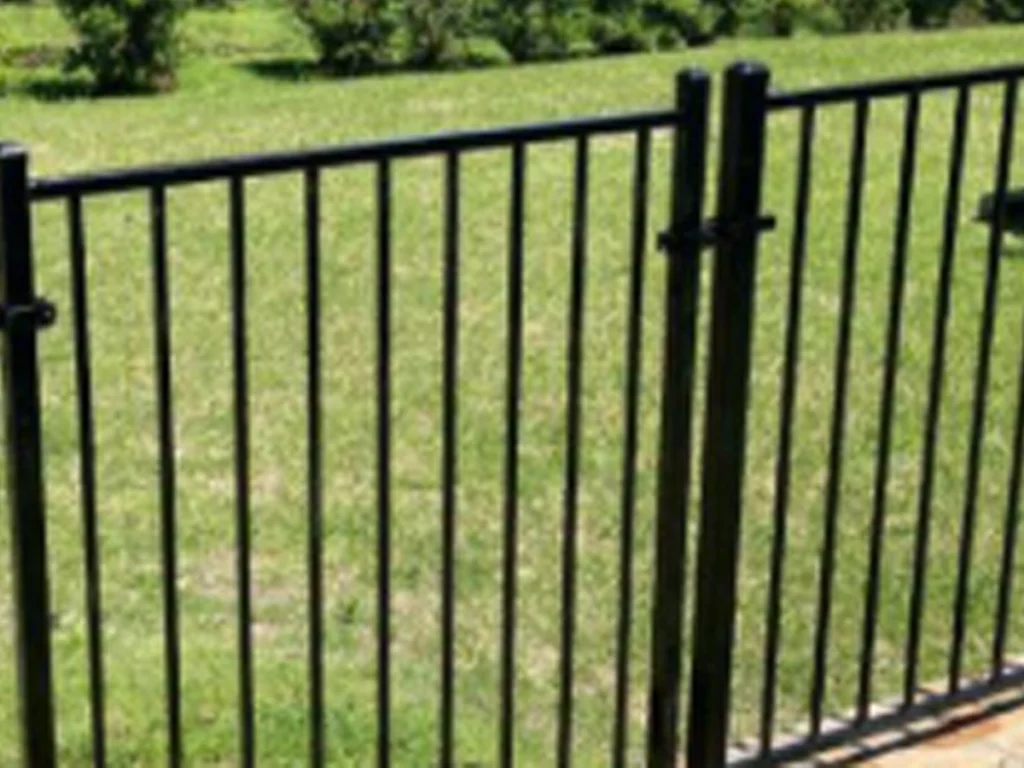
It is a working part of the property’s entrance, security, appearance, and daily access.
For homeowners, choosing the right residential fence gate contractors can make a major difference.
A good contractor should look beyond the gate panel itself.
Instead, the contractor should consider the posts, hinges, latch, frame, fence connection, opening width, ground conditions, and intended use.
Residential fence gate contractors in Fort Worth help homeowners plan, install, repair, and automate gates that connect with residential fencing. A proper gate project should account for the property layout, opening size, gate weight, material, traffic pattern, support posts, hardware, security needs, and future access requirements.
The right contractor should evaluate the complete gate system rather than focusing only on appearance or price. For automatic gates, the project should also include appropriate controls and safety equipment. The United States Consumer Product Safety Commission has highlighted entrapment risks associated with automatic gates and has discussed safety provisions for gate operators.
Fort Worth homeowners should also review local requirements before construction. The City of Fort Worth provides residential permit information and explains fence related requirements for certain heights and designs.
Everlast Gates & Fence provides residential gate installation, automatic gates, driveway gates, access control, gate repair, and fencing services in Fort Worth. Its published Fort Worth service page describes gate projects as systems that can include the gate, operator, hinges or track, safety equipment, access controls, and surrounding fence.
What Do Residential Fence Gate Contractors Actually Do?
Residential fence gate contractors handle more than hanging a gate between two posts.
The work can begin with measuring the opening and understanding how the homeowner uses the property.
From there, the contractor may help select the gate type, material, hardware, access method, and automation options.
A professional installation should also consider how the new gate connects with the existing fence.
Two important parts of the contractor’s role include:
- Planning the gate around the property’s actual layout and daily use.
- Making sure the gate structure works with the surrounding fence and hardware.
This matters because a gate can look excellent while still operating poorly.
A gate that drags, sags, binds, or fails to latch can quickly become frustrating.
Therefore, homeowners should judge a contractor by the complete installation process.
Why Local Fort Worth Gate Knowledge Matters
Fort Worth homes do not all have the same lot shape, driveway layout, fence style, or access needs.
Some homes have narrow side entrances.
Others have broad driveways that need large vehicle access.
Still others need a gate that works with an existing fence and landscape design.
A local contractor can evaluate those conditions during the planning process.
Two useful reasons to consider local knowledge include:
- The contractor can account for local permitting information and property conditions.
- The contractor can plan the gate around the way Fort Worth homeowners actually use residential entrances.
The City of Fort Worth provides a residential permit guide that lets property owners review permit requirements and project information.
However, homeowners should still verify the requirements that apply to their specific property.
Local rules can depend on the location, fence design, height, zoning situation, or special property conditions.
The Gate Should Fit the Fence
One of the biggest mistakes homeowners can make is treating the gate as a separate decoration.
The gate should normally look and operate as part of the complete fence.
For example, a tall privacy fence may need a gate with a similar height and material.
An ornamental metal fence may look better with a matching metal gate.
A modern home may benefit from a simple gate design with clean lines.
Two design goals are especially useful:
- Match the gate’s material and scale to the existing fence.
- Make the gate entrance feel intentional rather than added as an afterthought.
You can also review this guide about privacy and popular gate styles for North Texas homes for additional design ideas.
Single Gates and Double Gates Need Different Planning
Residential fence gate contractors may install several gate configurations.
The two most familiar swing designs are single gates and double gates.
A single gate uses one panel.
A double gate uses two panels that meet near the center.
Two useful questions are:
- How wide does the entrance need to be?
- How much room is available for the gate to move?
A single gate can work well for a pedestrian entrance or smaller opening.
A double gate can make sense when a wider driveway opening is required.
However, the property should determine the design.
Driveway Gates Need More Careful Planning
A driveway gate handles more demanding traffic than a small walk gate.
Cars need enough clearance.
Larger vehicles may need even more space.
Delivery vehicles, trailers, landscaping equipment, and emergency access can also affect the design.
Therefore, the contractor should understand how vehicles approach and leave the property.
Two important measurements include:
- The clear width between the gate posts.
- The available space required for the gate to open safely.
For homeowners considering a driveway upgrade, this related article on driveway gate installation that fits your property provides another planning perspective.
Automatic Gates Add Convenience but Also Responsibility
Automatic gates can make entering and leaving easier.
A homeowner can open the gate without manually moving a heavy panel.
However, automation introduces additional equipment.
That equipment must work correctly with the gate.
An automatic gate may include an operator, controls, sensors, wiring, access devices, and safety equipment.
Two important considerations include:
- The operator must be suitable for the gate configuration and weight.
The CPSC has identified automatic gate entrapment as a serious safety concern and has discussed safety requirements involving sensing and reversing mechanisms.
That is why automation should not be treated as simply adding a motor after installation.
The complete system needs to be planned together.
Safety Should Be Part of the First Conversation
Gate safety should not be an afterthought.
This is particularly important when a gate moves automatically.
Children, pets, vehicles, and people can all interact with the entrance.
A poorly designed or poorly maintained automatic gate can create dangerous movement areas.
Two safety topics deserve attention:
- Ask how the system detects obstacles.
- Ask how the gate is designed to reduce dangerous pinch and entrapment areas.
For that reason, homeowners should ask contractors about safety equipment before signing a project agreement.
A contractor who discusses safety early is addressing the whole system rather than only the appearance.
Gate Posts Are More Important Than They Look
Homeowners often focus on the gate panel.
However, the posts carry a major part of the structural load.
The gate can only operate correctly if the supporting structure remains stable.
This becomes even more important with heavy metal gates or automatic driveway gates.
Two questions should be asked:
- Are the posts properly sized for the gate?
- Is the foundation suitable for the property and gate load?
A beautiful gate attached to weak support can develop alignment problems.
The gate may begin to sag.
The latch may stop lining up.
An automatic operator may then have difficulty moving the gate correctly.
Therefore, residential fence gate contractors should evaluate the supporting structure before installation.
Hardware Can Decide How the Gate Performs
Hinges, latches, rollers, stops, locks, and other hardware may look like small components.
Yet these parts affect daily operation.
The correct hardware depends on gate weight, design, use, and movement.
A lightweight walk gate does not have the same hardware needs as a large driveway gate.
Two useful considerations include:
- Hardware should match the gate’s weight and use.
- Hardware should allow adjustment and maintenance when appropriate.
Good hardware cannot compensate for poor gate design.
Likewise, a well designed gate can still perform badly when the hardware is undersized or poorly installed.
That is why contractors should evaluate the entire assembly.
Material Choice Can Change the Gate Experience
Homeowners have several material options.
Steel, iron, aluminum, wood, and combinations of materials can all serve different goals.
The right choice depends on appearance, weight, maintenance, security needs, and the existing fence.
Metal gates can create a strong architectural appearance.
Wood gates can create a warmer and more private entrance.
Aluminum can offer a lighter option for certain designs.
Two useful questions include:
- Does the material fit the existing fence?
- Is the material suitable for the intended gate size and operation?
Everlast Gates & Fence publishes residential gate options that include different gate and fence approaches for homeowners across the Dallas Fort Worth area.
What Should a Good Gate Estimate Include?
A homeowner should be cautious about an estimate that only provides one total number.
A useful proposal should explain what is included.
That makes it easier to compare contractors fairly.
Two important items to look for include:
- Gate material, dimensions, hardware, and installation work.
- Automation, electrical work, access control, or repair work when applicable.
This is a better way to think about pricing than asking only, “How much does a gate cost?”
The real question is, “What does the complete gate system require?”
An Illustrative Fort Worth Gate Project
Consider an illustrative homeowner with an existing residential fence and a wide driveway.
The homeowner wants better vehicle control but does not want to replace the entire fence.
The first step would be to evaluate the existing fence and opening.
The contractor would then need to check post condition, available clearance, gate weight, access requirements, and possible automation.
Two possible approaches could be:
- Install a new manual driveway gate that matches the existing fence.
- Install an automatic gate with suitable access controls and safety equipment.
The correct choice would depend on the property owner’s actual needs.
This example is illustrative.
That distinction matters because good content should separate practical examples from verified customer case studies.
Another Example: Replacing a Problem Gate
Imagine another homeowner whose existing gate has begun to sag.
The homeowner may assume the entire gate needs replacement.
However, that conclusion should not be made before inspection.
The actual problem could involve the posts, hinges, frame, latch, operator, or another component.
A proper inspection can help determine whether repair or replacement makes more sense.
Two useful questions include:
- What component is actually causing the problem?
- Can the existing structure support continued use?
That broad approach is useful because a gate problem is not always caused by the gate panel itself.
Ask Contractors About Repair Before Replacement
Replacement is not automatically the right answer.
Sometimes the existing gate has a repairable problem.
For example, a worn hinge or damaged latch may not require a completely new gate.
On the other hand, serious structural damage may justify replacement.
The decision should come from inspection.
Two questions can help:
- Can the current gate be safely repaired?
- Would repairing it provide reliable long term operation?
If the gate has repeated problems, the contractor should also look for the underlying cause.
Repeated repairs without addressing the root problem can become frustrating and costly.
Access Control Can Make a Residential Gate Smarter
A residential gate can use more than a traditional key and latch.
Depending on the system, homeowners may consider keypads, remote controls, telephone entry, intercom systems, or other access methods.
The best choice depends on who needs access and how often.
Two useful questions include:
- Who needs to open the gate?
- What should happen when a visitor arrives?
For example, an intercom can allow a homeowner to communicate with a visitor before opening the entrance.
If access control is part of your project, you can also review custom gates with intercom options for additional planning ideas.
The goal should be controlled convenience rather than technology for its own sake.
How to Evaluate Residential Fence Gate Contractors
Choosing a contractor requires more than comparing advertisements.
Look at the services the company actually provides.
A contractor who handles fencing, gates, automation, repair, and access control can evaluate more parts of the project under one service structure.
Two areas deserve special attention:
- Check whether the contractor works with the type of gate you need.
- Ask whether installation and related equipment can be evaluated together.
That range can be useful when a homeowner needs more than a basic manual gate.
Look Beyond the Lowest Bid
Price matters.
However, the lowest number does not necessarily represent the lowest total cost over the life of the gate.
A very low estimate may leave out important work.
For example, the estimate may not include electrical work, stronger posts, access control, or other required components.
Two better comparison questions include:
- What exactly is included in each proposal?
- What work is excluded from the quoted price?
A detailed proposal makes the comparison clearer.
It also gives the homeowner a better understanding of the final system.
Check Licensing, Insurance, and Company Information
Homeowners are inviting contractors onto private property.
Therefore, basic business checks are reasonable.
Ask for company information and verify the details that matter for your project.
Two useful checks include:
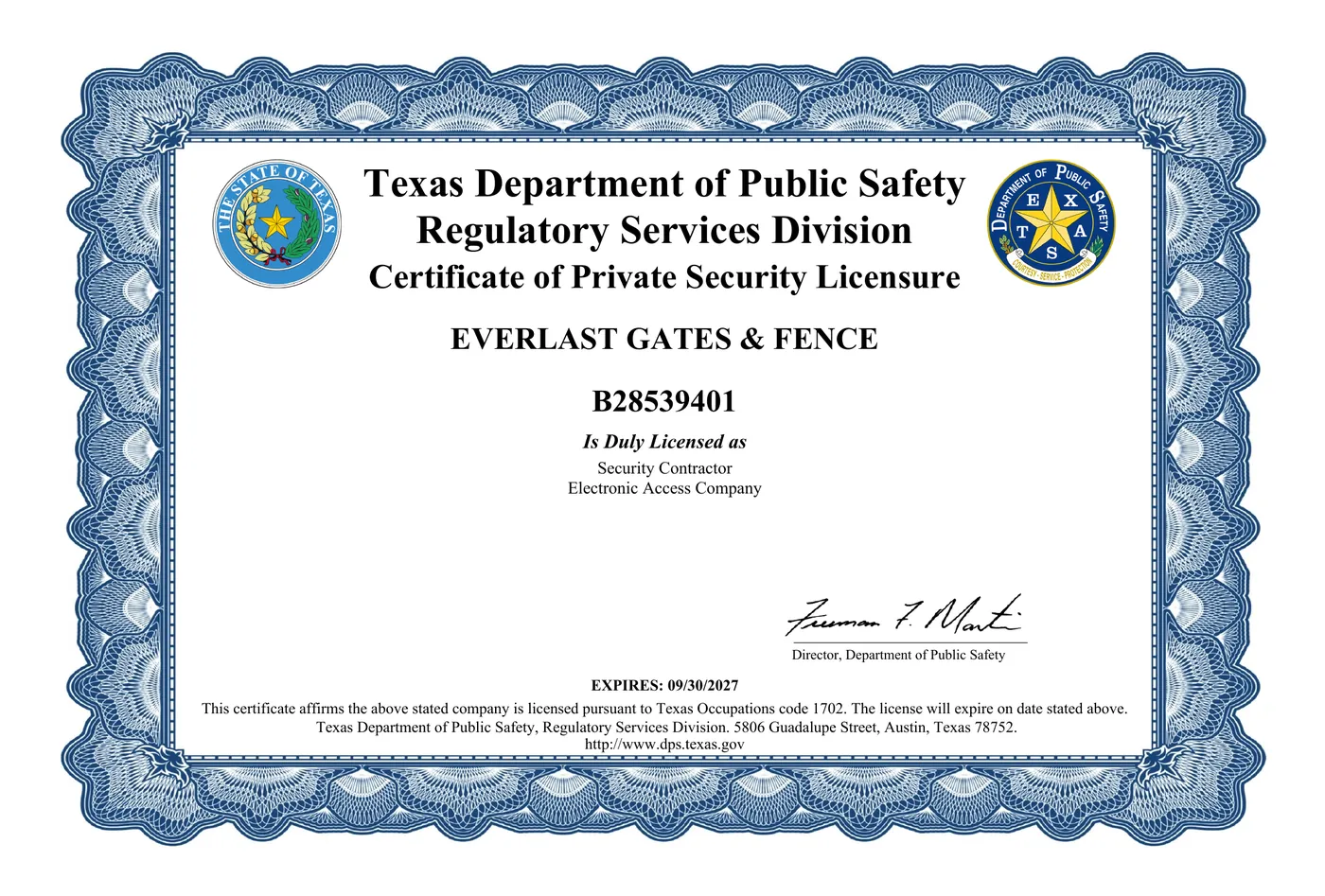
- Confirm applicable licensing and insurance information.
- Review the company’s published services and local service information.
Homeowners should still perform their own verification before hiring any contractor.
That is a sensible step for a project involving property access, structural work, or automatic equipment.
Permits and Local Rules Should Be Checked Early
Permit questions should be answered before construction begins.
The City of Fort Worth provides a residential permitting resource that explains which projects require permits and provides information about residential work.
The city’s published fence information specifically addresses front yard and projected front yard fences, height limits, and permit requirements for certain fence heights.
Two important steps include:
- Check Fort Worth requirements before ordering materials.
- Ask whether zoning, historic district, or property specific rules affect the project.
Do not assume that a neighboring property follows exactly the same rules.
The applicable requirements can depend on the property.
The Best Installation Starts With Measurement
Good gate installation begins before the gate arrives.
Measurements should establish how much opening is available.
They should also establish how the gate will move.
For a swing gate, the contractor needs to understand the swing path.
For a sliding gate, the contractor needs enough lateral space.
Two measurements are especially important:
- Measure the clear vehicle opening.
- Measure the available gate movement area.
The surrounding fence should also be inspected.
If the existing fence is leaning or damaged, connecting a new gate to it may create future problems.
Think About Tomorrow, Not Only Today
A gate should meet today’s needs.
However, good planning also considers future use.
Perhaps the homeowner currently drives a small vehicle.
Later, a larger vehicle or trailer may need to enter.
Perhaps the gate is manual today.
Later, the homeowner may want automation.
Two future questions are worth asking:
- Could vehicle access needs change?
- Could automation or access control be added later?
Planning those possibilities early can influence post placement, opening size, wiring, and gate design.
A small amount of planning can prevent a major redesign later.
Residential Gates Can Improve Curb Appeal
Security does not have to mean an unattractive entrance.
A well designed gate can become an architectural feature.
The gate can frame the driveway.
It can repeat colors and shapes found elsewhere on the property.
It can also create a more finished transition between the street and home.
Two design principles are helpful:
- Coordinate the gate with the home’s exterior.
- Use materials and proportions that fit the fence and property.
That balance can make a residential gate feel useful rather than purely functional.
Maintenance Keeps a Gate Working
Even a professionally installed gate needs attention over time.
Moving components naturally experience wear.
Weather can also affect finishes, hardware, and electronic equipment.
Homeowners should watch for small changes.
Two warning signs include:
- The gate begins dragging, sagging, or making unusual noise.
- The latch, operator, or access control starts behaving differently.
Addressing changes early can help prevent a minor problem from becoming a larger repair.
For automatic gates, maintenance should include the mechanical and electronic parts of the system.
When Should You Call Residential Fence Gate Contractors?
You do not need to wait for a gate to fail completely.
A contractor can be useful when you are planning a new fence, replacing an old gate, adding driveway access, or considering automation.
Professional input can be especially helpful when the project has several moving parts.
Two good times to call include:
- Before purchasing a large custom gate.
- Before automating an existing gate.
An early assessment can identify problems with opening size, support posts, clearance, wiring, or access control.
That can make the final project more predictable.
A Simple Contractor Checklist for Fort Worth Homeowners
Before hiring residential fence gate contractors, prepare a short list of questions.
You do not need to be a gate expert.
You simply need enough information to compare the proposed work.
Ask these questions:
- What gate configuration fits my opening?
- What material do you recommend and why?
- Are the existing posts strong enough?
- How will the gate open and close?
- Can it be automated?
- What safety equipment is included?
- What access control options are available?
- What maintenance will the system need?
- What is included in the written estimate?
- Are there local permit questions I should address?
These questions can reveal how thoroughly the contractor has considered the project.
They can also make contractor proposals easier to compare.
Why a Complete Gate System Matters
The strongest residential gate projects are planned as complete systems.
The gate panel is only one part.
The posts support it.
The hinges or rollers allow movement.
The latch controls closure.
The operator moves the gate when automation is used.
The access system determines who can enter.
The safety devices help protect people around moving equipment.
The surrounding fence completes the perimeter.
That systems view is important when homeowners compare residential fence gate contractors.
Residential Fence Gate Contractors in Fort Worth: Final Advice
Choosing residential fence gate contractors should begin with the property rather than a generic gate picture.
The right contractor should understand the opening, fence, traffic pattern, support structure, material, access method, and future needs.
The contractor should also be willing to explain the reasoning behind the recommended design.
Two simple principles can guide the decision:
- Choose a gate that fits the way you use the property.
- Choose a contractor who evaluates the complete system.
For Fort Worth homeowners, local requirements should also be reviewed before construction.
Frequently Asked Questions About Residential Fence Gate Contractors
What should I look for in a residential fence gate contractor?
Look for a contractor who can evaluate the entire gate system rather than only selling a gate panel. Ask about installation, posts, hardware, material, automation, access control, safety equipment, repair capability, insurance, and the written scope of work.
How much does a residential gate cost in Fort Worth?
Residential gate pricing varies widely because the final scope depends on the gate size, material, posts, hardware, site conditions, automation, electrical work, and access control. A simple manual gate can require much less work than a custom automated driveway gate. For that reason, homeowners should request a project specific estimate rather than relying on one general online price.
Can a contractor install a gate on my existing fence?
In many situations, a gate can be added to an existing fence. However, the existing fence and posts should be inspected first. Matching the new gate to the existing fence can also require careful measurements and material selection.
Can residential fence gates be automated?
Yes, many residential gate designs can be automated when the gate structure, posts, available space, power supply, and hardware are suitable. The automation system may include an operator, controls, sensors, and access devices. Because automatic gates involve moving equipment, safety should be part of the design from the beginning. The CPSC has highlighted automatic gate entrapment risks and safety provisions.
Do I need a permit for a residential fence or gate in Fort Worth?
Permit requirements depend on the project and property. The City of Fort Worth states that building permits are required for solid fences above 7 feet and open fences above 8 feet, while other zoning and property conditions can also affect requirements. Homeowners should review the city’s current residential permitting information before starting work.
Conclusion: Choose the Contractor Before the Gate
A residential fence gate is a small part of a property, but it can have a large effect on daily life.
It influences curb appeal.
It also has to operate reliably through repeated use.
That is why choosing residential fence gate contractors deserves careful attention.
A good project begins with measurements and a clear understanding of how the entrance will be used.
Next, the contractor should evaluate the gate style, material, posts, hardware, clearance, access control, automation, and safety requirements.
Finally, the project should be checked against applicable Fort Worth requirements.
Everlast Gates & Fence provides residential and commercial gate installation, automatic gate services, access control, gate repair, and fencing in Fort Worth. Its published service information explains that these components can be evaluated together as part of a complete entrance system.
For homeowners who want a gate that looks right and works correctly, that complete approach is worth considering.
Ready to Discuss Your Fort Worth Gate Project?
At Everlast Gates & Fence, we also offer reliable gate and fence services tailored to residential and commercial properties. Specializing in installing, repairing, and maintaining iron and wood gates and fences along with expert solutions for electric gates, automatic gates, sliding gates, and driveway gates. We also provide professional gate diagnostics, access control systems, customized designs, and comprehensive security enhancements to meet your unique needs and let us ensure your gates are in expert hands so you can enjoy safety, style, and convenience with complete peace of mind.
To discuss your residential gate, driveway gate, automatic gate, fence, repair, or access control needs.
Contact (682) 299-6114
Location: 6850 Manhattan Blvd Suite 300-16, Fort Worth, TX 76120.
A professional conversation can help you understand the available options before you commit to a design or installation.
