


A Practical Guide to Cost, Strength, and Lasting Value
A new fence can require a city permit once the project exceeds only 20 feet. Therefore, an iron fence worth the investment must be planned before steel, posts, or decorative details are ordered. The real decision includes design, site rules, coating quality, maintenance, security, and how long the fence will serve your household. Review the official City of Carrollton fence guidance before beginning a project.
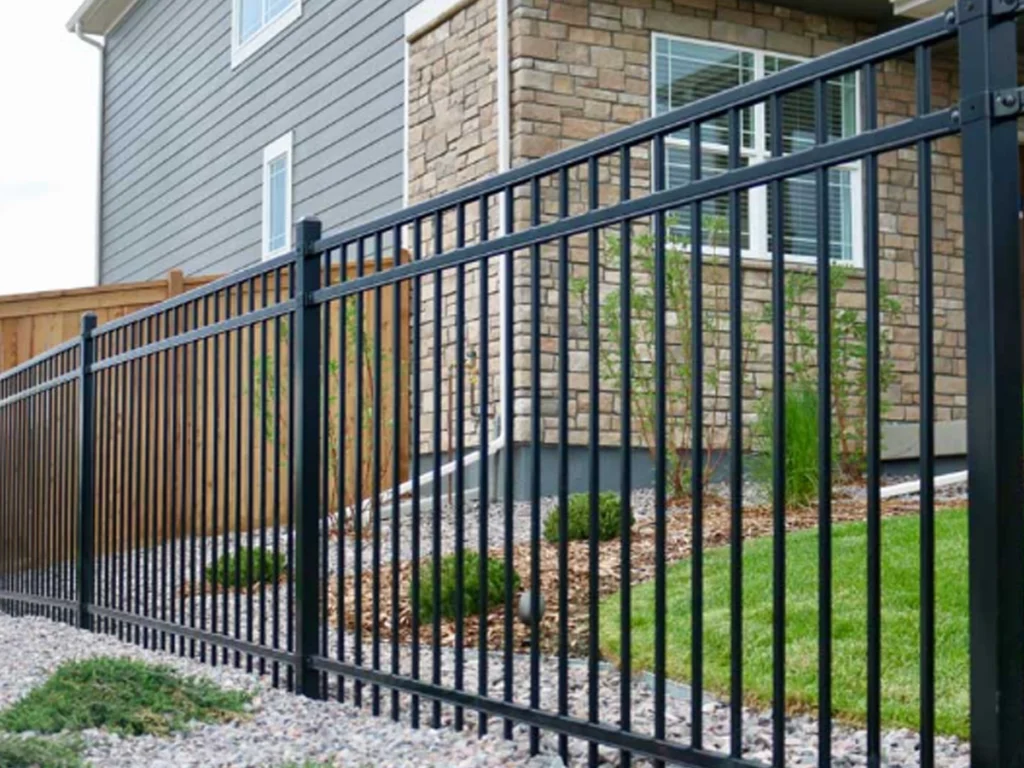
An iron fence can be worth the investment for a home when the owner wants lasting strength, open views, clear boundaries, and a polished appearance. However, the answer depends on the exact material, coating system, installation quality, gate needs, privacy goals, and planned years of ownership. A well-planned iron fence may provide daily value through safer boundaries, pet control, curb appeal, and fewer full replacements. Still, no honest contractor can promise a fixed resale return. Market value depends on local buyer demand and comparable homes. Therefore, homeowners should judge the project by total ownership cost, practical use, design fit, and proper city approval.
• First, compare the full ownership cost instead of choosing from the lowest opening price.
• Also, confirm that iron suits your privacy, security, style, and long term plans.
Define What Worth the Investment Means for Your Home
First, decide what value means for your household. Some owners care most about resale. Others want a safer yard, stronger pet control, or a better looking entrance.
That difference matters because a home improvement can create value without returning every dollar at sale.
The 2025 National Association of Realtor remodeling report supports this wider view of home improvement value. Owners named better function, durable results, and beauty among their most important outcomes.
At the same time, avoid claims that any fence guarantees a set value increase. Fannie Mae appraisal guidance requires market based adjustments that reflect buyer reaction.
For further local reading, review how iron fence installation supports Carrollton property value. However, treat broad percentage claims with care unless local comparable sales support them.
The most useful question is not whether every buyer will pay more. Instead, ask whether the fence solves a real problem while improving the property.
• First, list the daily problems the fence must solve for your family.
• Next, separate personal value, long term cost, and possible resale value.
Understand What You Are Actually Buying
Next, ask what the contractor means by iron fence. Modern quotes may describe true wrought iron, welded ornamental steel, cast parts, or aluminum products with an iron style.
These products do not share the same weight, strength, fabrication method, price, or rust risk. Therefore, a vague quote makes a fair value review almost impossible.
A complete proposal should name the base metal, post size, rail size, picket thickness, gate frame, welding method, finish, and anchoring plan.
In addition, ask whether the steel is bare, painted, powder coated, galvanized, or protected by more than one coating. Finish quality can affect both appearance and future care.
Current cost guides show why these labels matter. They list length, height, metal type, finish, surveys, permits, removal, terrain, gates, and decorative work as major price drivers.
For related local planning, see this guide to iron fence installation in Carrollton.
A detailed quote also makes contractor comparisons fairer. Otherwise, the lowest proposal may simply omit stronger posts, better coatings, permits, or cleanup.
• Ask for a written material and coating specification before comparing prices.
• Also, compare post, rail, picket, weld, gate, and footing details line by line.
Calculate the Cost Over the Years You Will Use It
A lower bid is not always the lower cost. Therefore, compare total ownership cost across the years you expect to keep the fence.
Start with the installed price. Then, add permit costs, survey work, removal, gates, site repair, cleaning, coating touch ups, and likely repairs.
Next, divide that total by a realistic service period. This creates a simple annual ownership estimate.
However, do not use one standard lifespan for every iron fence. Material thickness, weld quality, drainage, soil movement, coating damage, and care can change performance.
Also, include gate wear separately. Gates move, carry weight, and receive daily force. As a result, weak hinges, light frames, poor posts, and bad alignment may fail before fixed fence panels.
A useful budget should include a small care reserve. It should also include fast repair of chips, rust spots, loose hardware, or leaning posts.
Therefore, the better investment is not always the most ornate fence. Often, it is the best built system that meets the real need without costly extras.
For example, a simple fence with strong posts and a sound coating may offer better value than a decorative fence with weak support.
• Compare each option by estimated ownership cost per year.
• Also, budget fixed panels and moving gates as different wear items.
Measure the Real Security and Boundary Benefits
An iron fence creates a clear physical boundary. Therefore, it can guide visitors, help contain pets, and reduce casual access through open parts of the yard.
Still, a fence does not make a home impossible to enter. Security depends on height, spacing, gate design, locks, lighting, landscaping, and the habits of residents.
A good layout directs guests toward one entry instead of leaving several easy paths.
Also, open pickets preserve views. That can help residents see the sidewalk, driveway, front yard, and arriving visitors.
However, sharp decorative tops should be chosen with care. Homeowners should consider children, pets, service workers, and local design rules.
Gate quality is equally important. A strong fence with a weak latch creates an obvious failure point. Therefore, the gate frame, hinges, latch, post, and access method should work as one system.
If automation may be added later, plan conduit, clear travel, safety devices, and stronger gate posts before concrete is placed.
Likewise, think about gate placement before choosing the final fence pattern. A secure gate should be easy for residents to use without creating unsafe traffic movement.
• Use the fence to guide access, contain pets, and define private space.
• Also, match gates, locks, posts, and access controls to the fence strength.
Decide Whether the Style Truly Helps Curb Appeal
Iron fencing can create a clean and open edge around a property. Therefore, it often suits homes where landscaping and architecture should remain visible.
However, more decoration does not always mean more value. A design can feel too formal, too busy, or out of scale with the house.
First, study the roof lines, windows, brick, stone, trim, and existing metal details. Then, repeat only a few shapes or colors.
For example, a simple vertical picket pattern may support a modern home. By contrast, curves and scroll work may fit a traditional design better.
Also, keep post spacing and panel rhythm consistent. Uneven sections, rushed slope changes, and poor gate alignment can make costly material look cheap.
A strong design should look intentional from the street and comfortable from the yard. It should also support landscaping instead of competing with it.
In addition, the fence should look balanced from several angles. Review it from the driveway, sidewalk, front door, patio, and main interior windows.
Finally, avoid choosing a style from a small sample alone. Ask to see a complete panel or a clear drawing of the full property layout.
• Choose a pattern that matches the home rather than the current trend alone.
• Also, keep decoration, color, height, and gate scale visually balanced.
Be Honest About Privacy Before Choosing Iron
Iron fencing usually protects views instead of blocking them. Therefore, it may not satisfy homeowners who want full privacy from neighbors or streets.
This is not a minor concern. A beautiful open fence can still feel like the wrong investment when privacy was the main goal.
However, homeowners have several options. They can place iron along the front and use a solid material along side or rear lines.
Also, shrubs can soften views when planted with enough space for growth and fence care. Yet landscaping should not trap moisture against coated steel.
Still, mixed materials need careful design. Posts, caps, heights, and colors should relate to each other.
Before choosing, stand at windows, patios, sidewalks, and neighboring sight lines. Then, mark the exact places where screening matters.
You should also consider seasonal changes. A plant that provides summer screening may lose much of that cover during winter.
Therefore, discuss privacy before approving the iron layout. Adding screening after installation may cost more and weaken the original design.
• Choose iron when open views are a benefit rather than a problem.
• Otherwise, combine iron with planned screening or another fence material.
Protect the Fence From Rust and Weather Damage
Iron and steel can perform for a long time, but they are not care free. Therefore, coating quality and water control deserve close attention.
Dallas and Fort Worth climate normal show hot summers and regular annual rainfall. Those conditions can expose weak finishes, water traps, scratches, and poorly sealed joints.
First, ask how the metal will be cleaned and prepared before coating. Good paint over poor surface preparation can still fail early.
Next, inspect the design for places that hold water. Open tube ends, deep crevices, flat ledges, and soil contact can raise corrosion risk.
Professional corrosion guidance treats coatings as a first line of defense. It also warns that trapped water, difficult edges, and poor design details can weaken protection.
For greater durability, ask whether galvanized steel or a combined galvanized and painted system suits the project. The American galvanize Association longevity guidance reports that hot dip galvanizing can protect steel for decades.
For additional local reading, see this discussion of long lasting iron fences for Carrollton weather.
Small coating damage should be repaired early. Otherwise, moisture may reach exposed steel and spread beneath nearby paint.
• Inspect scratches, welds, gate edges, and post bases at regular intervals.
• Also, clean debris and repair coating damage before rust spreads beneath the finish.
Include Permits, Easements, and Utility Safety
A fence that must be moved is a poor investment. Therefore, site approval and property research belong in the value calculation.
Requires a permit for a new fence over 20 feet. The city also requires a site plan and a final inspection. In addition, fences cannot block drainage, access, maintenance, or traffic visibility easements without proper authorization.
Therefore, confirm property lines, easements, driveway views, height rules, and homeowners association limits before fabrication. The Carrollton residential security gate permit guide can help organize early planning questions.
Finally, make sure the approved layout matches the crew plan.
Any field change should be reviewed before posts are moved. A small layout change can affect property lines, gate movement, street visibility, or easements.
• Confirm the survey, city review, rules, and fence line before ordering steel.
• Also, request utility marking before every project that includes post hole digging.
Compare Iron With Wood, Vinyl, and Aluminum Fairly
Iron is not the best fence for every home. Therefore, compare materials by purpose rather than reputation.
Wood can provide full privacy and a warm look. However, it may need staining, board repair, and more care around soil and moisture.
Vinyl can provide privacy with limited painting needs. Still, its appearance, repair method, wind performance, and heat response may not fit every property.
Aluminum offers an open ornamental style and does not form red rust like ordinary iron or steel. However, lighter systems may not provide the same weight, weld repair options, or strong visual presence.
Iron or ornamental steel can offer strength, custom welding, open sight lines, and a classic appearance. Yet it needs sound corrosion protection and may cost more at installation.
Also, consider how long you plan to stay. A long service period may support a higher starting cost. A near term move may place more weight on broad buyer appeal and simple design.
Next, compare likely repairs. Wood boards can often be replaced one at a time. By contrast, damaged metal may need cutting, welding, grinding, and coating repair.
However, metal also allows skilled repair of selected sections. A well fabricated fence does not always require full replacement when one area is damaged.
• Compare privacy, strength, care, repair, style, and service period together.
• Also, compare equivalent heights, gates, grades, and installation quality.
Review an Illustrative Home Example
Consider an illustrative home with an open front yard, a side driveway, two dogs, and mature landscaping. The owners plan to remain for at least fifteen years.
At first, they consider a full six foot privacy fence. However, that choice would hide the front landscape and create a closed street view.
Next, they consider a low cost ornamental panel system. It meets the basic look, but the light gate frame and unclear coating details create concern.
A third plan uses a simple iron style fence across the visible front area. It adds a reinforced driveway gate and uses privacy fencing only along the rear yard.
In this example, the mixed plan gives the best fit. It supports pet control, keeps front views open, protects rear privacy, and avoids paying for custom iron where nobody sees it.
However, this is a planning example, not a report about an Actual cost, approval, and performance would depend on the property and final specifications.
The lesson is practical. Value often comes from placing premium material where its strengths matter most.
The example also shows why the best fence does not need to use one material everywhere. A mixed plan can solve several needs without forcing one product into every part of the yard.
• Use premium iron where open views, strength, and appearance create clear value.
• Also, use other materials where full privacy is the more important need.
Know When an Iron Fence Is Worth It
In our professional view, an iron fence is often worth considering when the homeowner values long use, open views, strong boundaries, and a refined entrance.
Also, iron may offer better value when custom gates, curves, slopes, or matching rail details matter. Skilled fabrication can solve layouts that stock panels handle poorly.
However, iron may not be the best choice when the main goal is complete privacy at the lowest starting cost. It may also be wrong when the owner dislikes all coating care.
Likewise, a highly ornate design may not be wise before a quick sale.
Therefore, choose iron for its actual strengths. Do not choose it only because it seems luxurious.
It is also wise to reconsider the project when the site has unresolved boundary questions. Spending more on premium steel cannot correct a poor fence line.
By contrast, iron becomes more attractive when the layout is settled and the homeowner expects to use the fence for many years.
• Iron often fits owners who value strength, open beauty, and long term use.
• Another material may fit better when privacy or low starting cost leads the decision.
Protect the Investment With Better Installation Details
The final value depends heavily on installation. Therefore, a good proposal should describe more than panel style and total price.
First, posts need suitable size, depth, spacing, and concrete support. Soil, slope, gate load, and wind exposure can change those details.
Next, welds should be clean and properly protected. Sharp edges, missed coating, and open joints can become early trouble spots.
Also, gates need strong frames that resist sag. Hinge placement, post strength, latch alignment, and ground clearance should support daily use.
Drainage around posts matters as well. Water should not sit inside tubes or collect where steel meets soil and concrete.
A skilled team will also measure carefully before fabrication.
In addition, clarify who handles demolition, debris removal, permits, inspections, surface repairs, and final adjustments. These tasks can affect both price and schedule.
For ongoing care, follow these simple gate maintenance steps for Carrollton homes.
Finally, ask what the workmanship and finish warranties cover. A clear written warranty is more useful than a broad verbal promise.
• Require clear specifications for posts, footings, welds, coatings, gates, and cleanup.
• Also, choose a contractor who includes permits, measurements, and final inspection planning.
Conclusion: Is an Iron Fence Worth the Investment?
For many homeowners, the answer can be yes. An iron fence can provide strong boundaries, open views, lasting style, and useful daily control.
However, value does not come from the word iron alone. It comes from the right metal, sound fabrication, proper coating, stable posts, smart placement, and steady care.
Therefore, compare ownership cost instead of opening price. Also, choose a design that fits the home and solves a real need.
Most importantly, reject guaranteed resale claims. A fence may support buyer appeal, but the market decides how much value it adds.
• Choose iron when its strength, openness, and appearance fit your long term goals.
• Protect that choice with clear plans, quality materials, permits, and timely maintenance.
Frequently Asked Questions
Does an iron fence add value to a home?
A well designed iron fence may improve curb appeal, boundary control, and buyer interest. However, there is no honest universal percentage for added value. Appraisers rely on market reaction and comparable sales, not the project price alone. Therefore, treat resale value as one benefit among daily use, security, appearance, and long service.
How long can an iron fence last?
Service life varies widely because modern iron fences may use different metals and coatings. Galvanized steel can provide decades of corrosion protection in suitable conditions, while bare or damaged steel needs faster care. Installation, drainage, coating thickness, scratches, soil contact, and maintenance all affect the result. Therefore, ask for exact material and finish details.
Is iron fencing more expensive than wood or vinyl?
Iron and ornamental steel often have a higher starting cost than basic wood or vinyl systems. However, project length, height, gates, finish, terrain, removal, and custom work can change every comparison. The better question is total ownership cost. A durable fence may cost less per year when it serves longer and avoids early replacement.
Does an iron fence provide enough privacy?
A standard iron fence provides limited privacy because the open pickets preserve views. Therefore, it works best when visibility, landscaping, and an open street scape are benefits. Homeowners who need more screening can combine iron with shrubs, selected solid panels, or another fence material along private areas. The design should also allow cleaning and airflow.
Do I need a permit for an iron fence?
requires a permit for a new fence over 20 feet and asks for a site plan. A final inspection is also required. In addition, the layout must respect drainage, visibility, access, and maintenance easements. Because rules and property conditions can change, confirm the current city and homeowners association requirements before fabrication or excavation.
At Everlast Gates & Fence, we also offer reliable gate and fence services tailored to residential and commercial properties. Specializing in installing, repairing, and maintaining iron and wood gates and fences along with expert solutions for electric gates, automatic gates, sliding gates, and driveway gates. We also provide professional gate diagnostics, access control systems, customized designs, and comprehensive security enhancements to meet your unique needs and let us ensure your gates are in expert hands so you can enjoy safety, style, and convenience with complete peace of mind.
Contact us at
Phone: 469 716 5138
Location: 1411 W Main St suite D, Carrollton, TX 75006
