


Fence Sections Shift Over Time for More Reasons Than Most Owners Think
The global fencing market is projected to grow from 35.6 billion dollars in 2026 to 52.4 billion dollars by 2033, which shows how much property owners still depend on fences for security, privacy, and curb appeal.
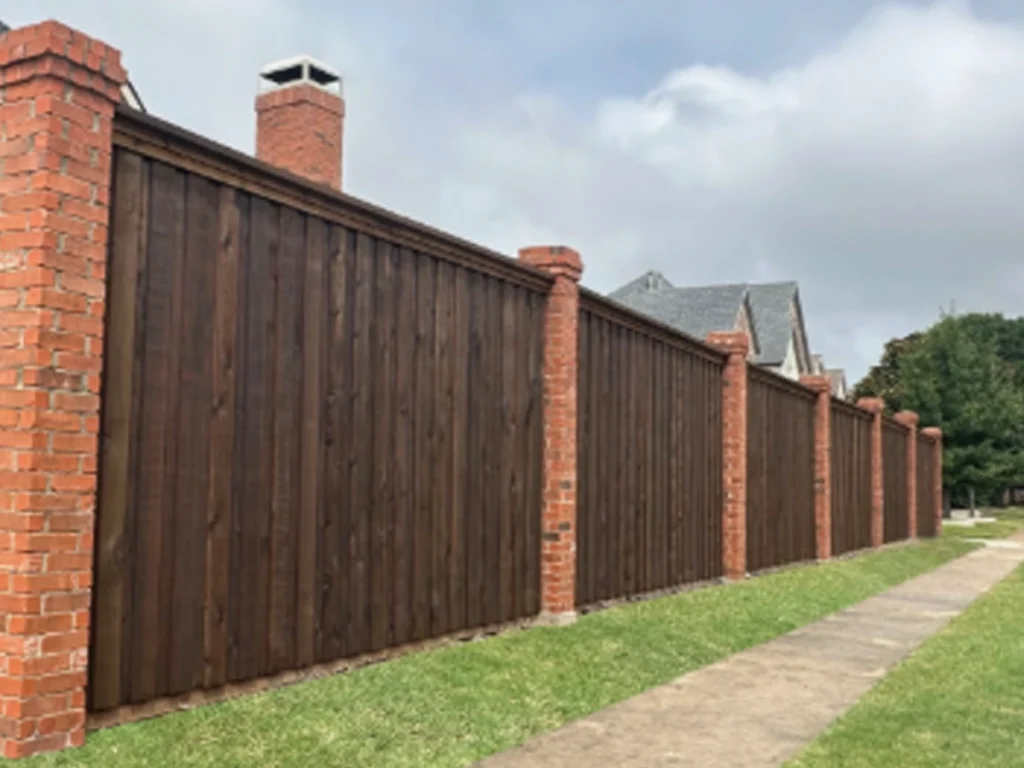
However, even a strong fence can slowly move out of line. Fence Sections Shift Over Time because soil changes, water moves, posts weaken, and weather adds pressure year after year. In Carrollton, this issue can be more noticeable because many properties deal with heat, storms, clay soil, drainage changes, and busy yard use.
A shifting fence is not just a cosmetic problem. It can reduce privacy, weaken security, create gate alignment issues, and lower the neat look of a property. Therefore, early signs should never be ignored.
AI Overview
Fence Sections Shift Over Time when posts lose support, soil expands or shrinks, drainage pushes water near the base, or wind strains weak panels. In Carrollton, heat, storms, and soil changes can make these problems worse. A professional fence inspection can find the cause before more sections lean, gap, sag, or fail.
What Does It Mean When Fence Sections Shift Over Time?
Fence movement means the line no longer stays straight, level, or firmly supported. Sometimes, one panel leans. Other times, the posts tilt, the gate drags, or the bottom rail pulls away from the ground.
Common warning signs include:
- Leaning posts, uneven rails, loose panels, and widening gaps.
- Gates that scrape, latch poorly, or swing out of alignment.
This problem often starts small. However, it can spread if the same soil, drainage, or post issue affects the full fence line.
For related maintenance advice, Everlast Gates & Fence shares helpful tips in this guide on simple gate maintenance steps for Carrollton curb appeal.
Why Soil Movement Is a Major Cause
Soil is one of the biggest reasons Fence Sections Shift Over Time. When soil gets wet, it can expand. When it dries, it can shrink. Texas A&M AgriLife notes that soil health and water management are vital for Texas land care, which matters around fence posts as well.
When soil moves, the post base can lose firm support. Over time, the post may tilt, twist, or sink.
Soil movement can cause:
- Posts that lean after heavy rain or long dry periods.
- Fence panels that look wavy because each post moves differently.
This is why strong installation starts below ground. The visible fence matters, but the post foundation matters even more.
When Drainage Problems Push Fence Lines Out of Place
Water should move away from a fence, not sit around the posts. Poor drainage can soften soil, wash out support, and speed up wood decay.
In some yards, water collects along the fence after storms. In others, downspouts, grading, or nearby hard surfaces push water toward the post line.
Drainage issues may lead to:
- Soft soil around posts after rain.
- Rot, rust, sinking, or leaning near low spots.
The City of Carrollton notes that even when small maintenance does not require a permit, that does not allow blocking drainage or visibility easements. Therefore, drainage should be part of every fence repair plan.
Where Fence Sections Usually Shift First
Fence movement often appears first in weak or exposed areas. Corners, gates, long straight runs, and low drainage spots are common problem zones.
Gate areas are especially vulnerable because they carry extra movement. Each open and close cycle adds stress to the posts and hinges.
Fence sections often shift first near:
- Gates, corners, slopes, and areas with poor drainage.
- Long panel runs that catch wind without enough support.
If one section moves, nearby sections should also be checked. The first visible problem may only be part of a larger support issue.
Who Should Watch for Fence Movement?
Homeowners, landlords, property managers, HOA boards, and business owners should all watch for shifting fence sections. A fence protects privacy, marks space, and supports safety.
For businesses, a leaning fence can also affect the way customers and staff view the property. For HOAs, uneven fencing can affect neighborhood appearance.
Fence movement matters to:
- Homeowners who want privacy, safety, and curb appeal.
- Managers who need secure boundaries and clean property standards.
Early repair is usually easier than waiting for a full section to fail.
How Weather Makes Fence Movement Worse
Carrollton weather can be hard on fences. Heat dries soil and wood. Rain softens soil. Wind pushes panels. Storms can loosen already weak posts.
This cycle can repeat many times each year. As a result, a fence may move slowly until the damage becomes obvious.
Weather can cause:
- Wood shrinkage, post movement, and loose fasteners.
- Wind stress on weak panels and unsupported long sections.
A fence that looks fine in spring may show problems after summer heat or strong storms. Therefore, seasonal checks are useful.
Why Weak Posts Lead to Leaning Sections
Posts hold the fence in place. If posts fail, the panels usually follow. Weak posts may come from shallow holes, poor concrete, rot, rust, age, or soil movement.
A fence panel may look like the issue, but the real problem is often the post below it.
Post problems may include:
- Cracked concrete footings, soft wood, or rusted metal bases.
- Posts that move when pushed by hand.
Replacing only the panel may not fix the problem. The post and footing should be checked before repair decisions are made.
What Role Poor Installation Plays
A fence can shift faster when it was not installed with enough support. Shallow post holes, weak concrete, poor spacing, and bad alignment can create long term problems.
A good fence should be built for the property, soil, slope, material, and weather exposure.
Poor installation may include:
- Posts that are not deep enough for the fence height.
- Panels installed without enough support for wind and soil changes.
For planning help, this Everlast Gates & Fence article on new wood fence installation in Carrollton explains why a strong start matters.
When Age Becomes the Main Problem
All fences age. Wood can dry, crack, rot, or warp. Metal can rust. Fasteners can loosen. Concrete can crack. As these parts weaken, fence sections can shift.
Age related movement may happen slowly. Many owners do not notice it until the fence looks uneven from the street or yard.
Older fences may show:
- Loose rails, split boards, rusty fasteners, and leaning posts.
- Sections that move more during wind or after rain.
Aging does not always mean the full fence needs replacement. However, a professional inspection can show whether repair or replacement makes more sense.
Why Tree Roots Can Move Fence Sections
Tree roots can lift soil, push posts, and strain panels. This is common when a fence sits near mature trees or large shrubs.
Roots often move slowly, so the damage may appear gradual. A post may tilt, or the fence line may curve around the growing root area.
Root pressure may cause:
- Raised soil, leaning posts, and cracked footings near trees.
- Panels that bow or separate from nearby posts.
Tree related repairs should be planned carefully. Cutting major roots can harm trees, while ignoring the issue can harm the fence.
How Gates Can Pull Fence Sections Out of Line
Gates place extra stress on fence posts because they move often. A heavy gate can pull on its hinge post, especially if the post was not built for the load.
When the gate post shifts, nearby fence sections may also move. This can create latch issues, dragging, and gaps.
Gate stress may cause:
- Sagging gates, loose hinges, and posts leaning toward the opening.
- Fence sections near the gate pulling out of alignment.
For stronger gate planning, Everlast Gates & Fence offers this guide on the complete swing gate installation process for Carrollton property owners.
What the 5Ws and 1H Reveal About Fence Movement
What causes shifting? Soil, water, wind, weak posts, poor installation, roots, and age often cause movement.
When does it happen? It can happen after storms, drought, heat, repairs, or years of normal wear.
Where does it show first? It often appears near gates, corners, slopes, trees, and wet areas.
Why does it matter? It affects privacy, safety, gate use, and property appearance.
Who should inspect it? Homeowners, property managers, HOAs, and fence professionals should review visible movement.
How is it fixed? The cause must be found first, then posts, drainage, panels, or footings can be repaired.
Why Permits and Local Rules Should Be Checked
Fence work should match local rules. In Carrollton, a permit is required for any new fence over 20 feet in length, or when relocating or repairing more than 20 feet of an existing fence.
This matters because a repair can become larger than expected. If several sections have shifted, the project may pass the small repair limit.
Property owners should check:
- Whether the repair length triggers local permit rules.
- Whether the fence affects drainage, visibility, or easements.
Planning ahead can prevent delays. It can also help owners avoid rework after repairs are started.
How to Inspect a Fence for Early Movement
A simple visual check can catch problems early. Walk the fence line and look from different angles. A leaning section is often easier to see from a distance.
Then, check posts, rails, panels, fasteners, and the ground around the base. Look after heavy rain and after long dry weather.
Inspection steps include:
- Check for leaning posts, soft soil, loose rails, and board gaps.
- Open and close gates to see whether they drag or latch poorly.
Do not force a gate that no longer lines up. The added pressure can make the problem worse.
Why Fast Repairs Can Save Money
Small fence problems often become bigger when ignored. A leaning post can strain panels. A sagging gate can damage hinges. Poor drainage can spread to nearby sections.
Fast repair can limit the affected area. It can also protect the fence from bigger replacement costs.
Early repair may help by:
- Stopping one weak section from pulling nearby panels.
- Keeping gates aligned before hinges and latches fail.
For broader upkeep, this Everlast Gates & Fence article on preventative gate care and life extension in Carrollton offers useful maintenance thinking.
How Professionals Diagnose the Real Cause
A professional inspection looks beyond the visible lean. The goal is to find why the fence moved.
The technician may check soil conditions, drainage, post depth, concrete footings, panel weight, fasteners, wind exposure, root pressure, and nearby gate stress.
A proper diagnosis may include:
- Checking whether posts are loose, rotted, rusted, shallow, or under supported.
- Reviewing water flow, slopes, gate load, and fence material condition.
This matters because the wrong repair may only hide the issue. A real fix should address the cause.
What Repair Options May Be Used
Repair depends on the cause. Some fences need new posts. Others need better drainage, new rails, reset panels, stronger hardware, or gate adjustment.
A single leaning section may be repaired locally. However, several leaning sections may show a larger soil or drainage problem.
Common repair options include:
- Resetting posts, replacing damaged posts, or strengthening footings.
- Adjusting gates, replacing rails, improving drainage, or rebuilding weak sections.
A trusted fence professional can explain which option fits the fence condition.
Why Everlast Gates & Fence Is a Strong Local Choice
Everlast Gates & Fence can help Carrollton property owners understand why Fence Sections Shift Over Time and what repair path makes sense. A good repair starts with the cause, not just the visible lean.
The team can review fence lines, gate areas, post support, drainage concerns, and material condition. This helps owners make clear choices.
Everlast Gates & Fence focuses on:
- Practical fence repair planning for homes and local properties.
- Stronger long term solutions that support safety, privacy, and curb appeal.
This local approach helps property owners avoid quick fixes that fail after the next storm or dry season.
Schema Ready Q&A Content
Why do fence sections shift over time?
Fence sections shift over time because posts lose support, soil moves, drainage changes, or materials weaken. Weather, tree roots, poor installation, and gate stress can also cause movement. In Carrollton, heat, storms, and soil changes can add pressure to fence lines throughout the year.
Can poor drainage make a fence lean?
Yes, poor drainage can make a fence lean by softening soil around posts. When water sits near the post base, it can wash away support or speed up rot. Over time, the post may tilt, and nearby panels may move out of alignment.
Does a leaning fence always need replacement?
No, a leaning fence does not always need full replacement. If the panels are still strong, the repair may involve resetting posts, replacing weak posts, or improving drainage. However, older fences with widespread rot, rust, or loose sections may need larger repairs.
When should I call a fence professional?
You should call a fence professional when posts lean, gates drag, panels separate, or soil stays soft near the fence. You should also call when several sections move at once. A professional can find the cause and suggest a repair that fits the fence condition.
How can I prevent fence sections from shifting?
You can reduce shifting by keeping water away from posts, checking the fence after storms, trimming roots and shrubs carefully, and fixing loose sections early. Strong post installation, proper concrete support, good drainage, and regular inspections also help a fence stay straighter longer.
Conclusion
Fence Sections Shift Over Time because many forces work against them. Soil expands and shrinks. Water weakens support. Wind pushes panels. Posts age. Roots grow. Gates add stress. Over time, these small pressures can move a fence out of line.
For Carrollton property owners, early action matters. A slight lean today can become a sagging gate, a broken panel, or a larger repair later. Therefore, regular checks and proper repairs can protect privacy, security, and curb appeal.
Everlast Gates & Fence can help identify the real cause of fence movement and recommend a practical path forward.
Call to Action
Need help with a shifting, leaning, or uneven fence in Carrollton?
At Everlast Gates & Fence, we also offer reliable gate and fence services tailored to residential and commercial properties. Specializing in installing, repairing, and maintaining iron and wood gates and fences along with expert solutions for electric gates, automatic gates, sliding gates, and driveway gates. We also provide professional gate diagnostics, access control systems, customized designs, and comprehensive security enhancements to meet your unique needs and let us ensure your gates are in expert hands so you can enjoy safety, style, and convenience with complete peace of mind.
Contact Everlast Gates & Fence today.
Phone: 469 716 5138
Location: 1411 W Main St suite D, Carrollton, TX 75006
