


Professional Wood Gate Installation Matters
Wood can remain useful for generations when design, moisture control, material selection, construction, and maintenance work together. However, outdoor wood is constantly exposed to changing moisture and weather conditions. The USDA Forest Products Laboratory explains that moisture strongly affects wood behavior, while the American Wood Council emphasizes moisture control, durable materials, decay protection, and quality construction when designing wood structures for long service. This makes professional wood gate installation more important than simply fastening boards together and adding hinges.
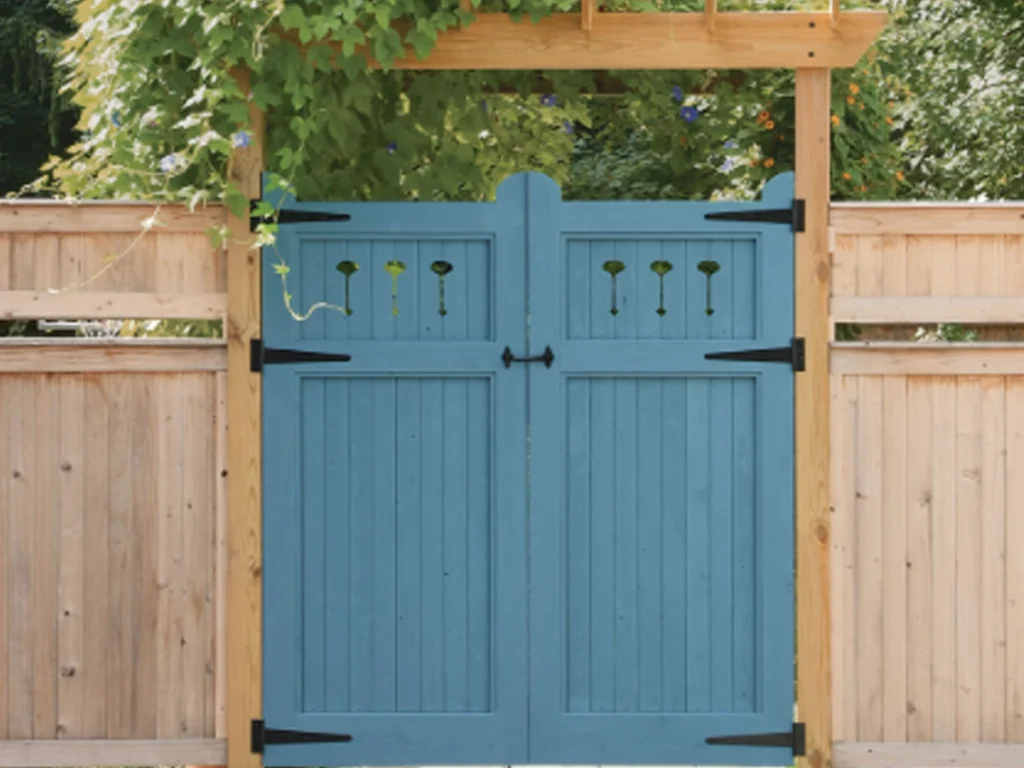
Professional wood gate installation matters because a gate is a moving outdoor structure rather than a stationary section of fence.
Every time a gate opens, its posts, hinges, frame, fasteners, and latch carry changing forces. At the same time, exterior wood responds to rain, heat, humidity, sunlight, and moisture changes.
A professional installation should account for those conditions before construction begins.
Important factors include gate width, post support, frame design, wood selection, hardware capacity, ground clearance, drainage, latch alignment, and expected use.
The American Wood Council says long term wood performance depends on controlling moisture, protecting against decay and insects, using suitable durable or treated materials, and applying good construction practices.
Therefore, professional installation is not only about appearance.
It helps create a gate that starts square, moves correctly, uses suitable materials, handles outdoor exposure, closes reliably, and remains practical to maintain.
The following eight reasons show why those details matter for Richardson property owners.
Professional Wood Gate Installation Starts With Better Structural Support
A wood gate places a different load on its supports than a normal fence panel.
A fence panel remains between two posts. A gate hangs from one side and repeatedly moves through an opening.
Therefore, the hinge post has an important job.
It must support the gate while resisting the forces created by the gate’s weight and movement.
- Proper post placement gives the gate a stronger foundation for daily movement.
- Suitable support helps reduce unwanted movement that can affect alignment.
A gate can look perfect on installation day while still having weak support underneath.
If a post shifts, several problems may appear later.
The gate may begin dragging on the ground.
The latch may stop meeting the receiver.
The top of the gate may no longer appear level.
Hinges may also experience additional stress.
That is why professional planning starts before the gate itself is assembled.
The installer should evaluate the opening, ground, fence line, gate size, expected load, and surrounding structure.
A wider or heavier wood gate generally places greater demands on its hardware and support.
The exact solution depends on the project rather than one universal post size or method.
This is where professional judgment becomes valuable.
A contractor can design the supporting structure around the actual gate instead of trying to make a standard detail fit every opening.
For Richardson homeowners planning broader fencing work, this guide to fence installation planning in Richardson provides additional considerations.
Professional Installation Helps Keep the Gate Square and Aligned
Alignment is one of the easiest things to notice when a wood gate is installed poorly.
A properly planned gate should sit consistently within its opening.
The spaces around it should make sense for its design.
The latch should meet its receiver.
The bottom should have suitable clearance.
Most importantly, the gate should move without scraping or binding.
- Accurate construction helps the frame begin square within the opening.
- Proper hinge and latch placement supports smooth and predictable operation.
Wood can change dimension as moisture conditions change.
That does not mean every wood gate will warp or fail.
Instead, it means installers should understand that wood is a natural material that responds to its environment.
A gate built with poor spacing may have little room to tolerate those changes.
Likewise, a gate that already drags slightly when new has little margin for future movement.
Professionals can consider clearance before construction rather than trimming or forcing the gate after problems appear.
Good alignment also improves appearance.
A gate is often one of the most visible moving features along a residential fence.
Uneven margins or a visibly sagging frame can make an otherwise attractive fence look unfinished.
Therefore, alignment supports both function and curb appeal.
The Right Wood and Exterior Materials Improve Durability
Not all wood performs the same way outdoors.
Species, treatment, grade, moisture exposure, finish, construction details, and maintenance can all influence long term performance.
- Suitable wood selection helps match the gate to its outdoor exposure.
- Correct exterior materials can reduce avoidable deterioration risks.
This is an important area where professional wood gate installation differs from simply selecting lumber by appearance.
An experienced installer should consider where each component will be used.
Wood close to the ground may face different moisture conditions than boards higher on the gate.
Posts may require different treatment considerations from decorative boards.
Hardware must also be suitable for outdoor use and compatible with the materials around it.
Homeowners should also understand that pressure treated wood is a category rather than one single product.
EPA explains that several preservative systems are used for pressure treated wood and that older chromed arsenical treatments are no longer used for most residential applications.
Therefore, material choice should follow current product information and intended use.
A professional installer can help homeowners compare durability, appearance, maintenance, privacy, and budget instead of choosing based on color alone.
For additional design ideas, Richardson owners can explore wood gate installation options and residential gate considerations.
Professional Hardware Selection Supports Smooth Daily Use
Hinges may look simple, but they carry the moving gate.
If the gate is heavy and the hardware is poorly matched, performance can suffer.
The same is true for latches, fasteners, brackets, and other connections.
- Hardware should suit the gate’s size, construction, and expected use.
- Correct placement helps distribute forces through the frame and support structure.
A residential side gate that opens twice each week does not experience the same use as a driveway gate that moves several times each day.
Therefore, expected traffic matters.
Gate width matters as well.
The farther the gate extends from its hinge point, the more important good structural planning becomes.
Outdoor exposure adds another concern.
Fasteners and connectors can corrode when materials and environmental conditions are poorly matched.
A professional installer can consider the whole assembly instead of treating hinges as an afterthought.
This includes where hinges attach to the frame, how loads reach the post, where the latch sits, and whether the gate can close naturally.
Hardware should support the gate.
The gate should not have to fight its hardware every time someone uses it.
Better Installation Helps Manage Moisture and Outdoor Exposure
Water is one of the most important issues affecting exterior wood.
Professional installation cannot stop rain.
However, construction choices can help wood dry and reduce unnecessary moisture traps.
- Good details can help water move away instead of remaining trapped against wood.
- Suitable clearance can reduce unnecessary contact with wet soil or standing water.
Imagine a wood gate installed almost directly against the ground.
Rainwater collects below it.
Grass stays wet.
Debris becomes trapped along the bottom edge.
The gate may then remain exposed to moisture longer than necessary.
Now compare that arrangement with one designed for suitable clearance and drainage.
The gate still gets wet during rain.
However, the surrounding conditions may allow it to dry more effectively.
That principle applies naturally to an exterior gate.
Finishes can also support weather protection.
However, no finish replaces sound construction.
If water constantly collects in joints or against end grain, surface coatings alone cannot correct every underlying design problem.
Therefore, moisture control should begin with the installation itself.
Professional Wood Gate Installation Can Improve Security and Privacy
Many homeowners choose a wood gate because they want both a defined boundary and visual privacy.
Wood panels can create substantial screening compared with open ornamental designs.
However, privacy only works well when the gate closes properly.
A gate that will not latch or remains partly open weakens the purpose of the enclosure.
- Consistent closing helps maintain the intended property boundary.
- Correct latch placement supports practical access control.
The gate design should also match how the property is used.
A pedestrian gate may need a simple secure latch.
A driveway gate may require different hardware or automation.
A backyard gate may prioritize privacy.
A front gate may need to balance visibility, appearance, and security.
There is no single design that fits every home.
Professional planning helps define those priorities before construction.
For homeowners considering a more customized entrance, Everlast Gates & Fence also discusses how custom gates can enhance Richardson properties.
Security claims should also remain realistic.
A wood gate cannot guarantee that trespassing or burglary will never occur.
Instead, it creates a controlled physical boundary and can make casual entry less convenient.
Locks, lighting, cameras, alarms, fencing, and good property habits may provide additional layers where needed.
The gate is one part of that larger plan.
Professional Installation Can Reduce Avoidable Repair Problems
All exterior gates eventually require some maintenance.
Wood finishes age.
Hardware wears.
Fasteners may need attention.
Ground conditions can change.
However, some repair problems begin with installation mistakes.
A weak post may shift.
Poor alignment can make the latch strike incorrectly.
Undersized hardware may loosen.
Insufficient clearance can cause dragging.
Water traps can increase moisture exposure.
- Good installation removes several avoidable sources of early trouble.
- Proper planning makes future maintenance easier and more predictable.
This does not mean a professionally installed gate will never need repair.
That would be an unrealistic promise.
Instead, professional installation gives the system a better starting point.
Consider an illustrative example.
Suppose two similar gates use the same wood.
One begins level, has adequate support, appropriate clearance, and properly selected hardware.
The other begins slightly out of square and already touches the ground during wet conditions.
Both gates still face the same Richardson weather.
However, the second gate begins its service life with additional mechanical stress.
The example is hypothetical, but it shows why installation details matter.
Maintenance also becomes easier when problems can be identified early.
A homeowner can notice changes in hinge movement, latch alignment, finish condition, or ground clearance before the gate stops working completely.
Richardson residents can also review guidance about wood gate maintenance and weather protection when planning long term care.
Professional Installation Protects the Overall Look and Value of the Project
A gate is usually more noticeable than an ordinary fence panel because people interact with it.
Visitors walk through it.
Residents open it.
Drivers stop beside it.
A poorly fitted gate can therefore attract attention quickly.
Professional wood gate installation helps connect function with appearance.
- Accurate spacing and alignment create a more finished presentation.
- Thoughtful design can help the gate complement the surrounding fence and home.
Wood offers considerable design flexibility.
Boards can be arranged for privacy.
The frame can follow traditional or modern proportions.
Hardware can be selected for a simple or decorative appearance.
The gate can also be designed to coordinate with existing wood fencing.
However, appearance should never come at the expense of structure.
A very large decorative gate may require stronger support.
Heavy cladding affects the load on hinges.
Solid privacy construction can also influence how a gate responds to wind.
Therefore, visual design and structural design should be considered together.
For homeowners thinking about broader property value, Everlast Gates & Fence has also discussed professional residential gate installation and Richardson property value.
No gate can guarantee a specific increase in resale value.
However, a well maintained entrance can contribute to the overall impression of a property.
That makes workmanship important even when security is not the owner’s primary goal.
Why Richardson Weather Makes Wood Gate Details Important
North Texas weather gives outdoor wood several conditions to handle.
A gate may experience direct sun, rain, temperature changes, wind, and changing humidity.
Wood naturally responds to moisture.
- Exterior wood should be detailed with moisture exposure in mind.
- Regular inspection helps owners notice weather related changes early.
Movement does not automatically mean failure.
Wood is expected to respond somewhat to environmental conditions.
The goal is to design and maintain the gate so normal movement does not immediately interfere with operation.
Adequate clearances can help.
Good support can help.
Suitable finishes can help.
Drainage can help.
Material selection can help.
Routine maintenance can help.
Therefore, Richardson homeowners should think about the gate as an outdoor system rather than indoor furniture.
Its construction should reflect where it lives.
What Should a Professional Evaluate Before Installing a Wood Gate?
A good gate project should begin with the site.
The installer should look at the opening, ground conditions, fence layout, intended traffic, gate dimensions, and surrounding structures.
The desired design comes next.
- Site conditions should shape the gate instead of being ignored.
- Expected daily use should influence construction and hardware choices.
The installer should also discuss privacy.
Some owners want complete visual screening.
Others prefer spacing between boards.
The hinge direction matters too.
So does gate clearance.
If the opening crosses a sloped area, the design may require additional planning.
Driveway gates require different considerations from pedestrian gates.
Automation creates another set of requirements.
If an automatic operator will be used, the gate must be designed as part of a powered system rather than simply adding a motor later.
Professional planning therefore prevents one decision from creating problems elsewhere.
Wood Gate Maintenance Still Matters After Professional Installation
Professional installation creates a strong starting point, but maintenance remains important.
Exterior wood needs inspection because exposure continues year after year.
Homeowners should watch the finish, hardware, latch, hinges, frame, and supports.
- Address loose or damaged hardware before movement becomes severe.
- Maintain exterior surfaces according to the wood and finish manufacturer’s guidance.
Moisture related deterioration deserves attention.
Look for areas where water remains trapped.
Check whether vegetation prevents drying.
Watch the bottom of the gate and the areas around posts.
Also notice changes in operation.
A gate that suddenly requires force may be telling you something.
The problem could involve hardware, alignment, ground movement, swelling, or another condition.
Early inspection can make diagnosis easier.
Professional Installation Versus a Simple Do It Yourself Gate
Some homeowners have enough woodworking and construction experience to build a simple gate themselves.
Professional installation is not the only possible route.
However, the project becomes more demanding as size, weight, privacy, automation, slope, and security requirements increase.
- Simple projects still require accurate measurements and appropriate materials.
- Larger gates create greater demands on support, framing, and hardware.
The important question is not whether a homeowner can attach boards to a frame.
The real question is whether the completed gate can remain supported, aligned, secure, and practical outdoors.
Professional installers regularly work with openings, posts, gates, hinges, and latches.
That experience can help identify site issues before construction begins.
However, homeowners should still evaluate contractors carefully.
Ask how posts will be supported.
Ask about wood treatment and finishes.
Good professional work should withstand informed questions.
Frequently Asked Questions
What type of wood is best for an outdoor gate?
There is no single best species for every property. Climate exposure, appearance, budget, finish, availability, and maintenance all matter. The American Wood Council recommends durable materials, including naturally durable or appropriately pressure treated wood where needed. A professional installer can compare suitable choices for the gate’s actual exposure and design.
How do you keep a wooden gate from sagging?
Reducing sag begins with sound support, a properly built frame, suitable hardware, correct hinge placement, and a gate size that matches its structure. The hinge post also needs enough support for the gate. Because every opening and gate design differs, there is no single framing detail that solves every installation.
How long does a professionally installed wood gate last?
No accurate lifespan can be promised without knowing the wood, construction, exposure, finish, maintenance, hardware, drainage, and use. USDA guidance shows that moisture and decay strongly affect exterior wood durability. Good materials, sound construction, moisture management, protective finishes, and regular maintenance can all support longer service
Should a wood gate touch the ground?
Generally, a working gate needs enough clearance to move without dragging across the surface below it. The exact clearance depends on the site, slope, gate design, drainage, and expected ground conditions. Adequate clearance can also help reduce unnecessary contact with wet soil, standing water, grass, and debris around the gate.
Is pressure treated wood good for a gate?
Pressure treated wood can be appropriate for certain exterior gate components when the product is intended for that use. However, treatment type, appearance, moisture condition, fastener compatibility, and finishing requirements should be considered. EPA notes that modern residential treated wood uses several preservative systems and that most residential CCA uses ended years ago.
Conclusion
Professional wood gate installation matters because a wood gate has to do far more than look attractive.
It needs hardware that suits its construction.
It also has to fit the fence and property around it.
Those demands explain why good installation begins with planning.
Strong support helps keep the gate aligned.
Correct framing supports its shape.
Suitable materials improve outdoor durability.
Good hardware supports smooth movement.
Moisture conscious construction helps protect exterior wood.
Reliable closing supports privacy and access control.
Quality workmanship can reduce avoidable repair problems.
Finally, careful design improves the appearance of the finished entrance.
Those principles explain why professional installation provides value beyond labor alone.
The real benefit is coordination.
The post, frame, wood, hardware, clearance, finish, and site conditions are considered as one gate system.
For Richardson homeowners, that careful starting point can make the entrance easier to use, easier to maintain, and better suited to years of outdoor exposure.
Plan Your Richardson Wood Gate With Everlast Gates & Fence
If your property needs a new wood gate, custom entrance, driveway gate, or fence gate, Everlast Gates & Fence can help you evaluate options for the space.
At Everlast Gates & Fence, we also offer reliable gate and fence services tailored to residential and commercial properties. Specializing in installing, repairing, and maintaining iron and wood gates and fences along with expert solutions for electric gates, automatic gates, sliding gates, and driveway gates. We also provide professional gate diagnostics, access control systems, customized designs, and comprehensive security enhancements to meet your unique needs and let us ensure your gates are in expert hands so you can enjoy safety, style, and convenience with complete peace of mind.
A professional plan can account for the opening, gate size, privacy needs, material, hardware, support, and daily use before construction begins.
Contact us at
Phone : (469) 966-2608
Location: 1106 Commerce Dr, Richardson, TX 75081
Start with a wood gate designed for the property instead of forcing the property to fit the gate.
