


Create a Houston Entrance That Looks Remarkable and Works Better
Here is a striking fact: 97 percent of real estate professionals believe curb appeal helps attract property buyers. In addition, 92 percent have advised sellers to improve curb appeal before listing a home.
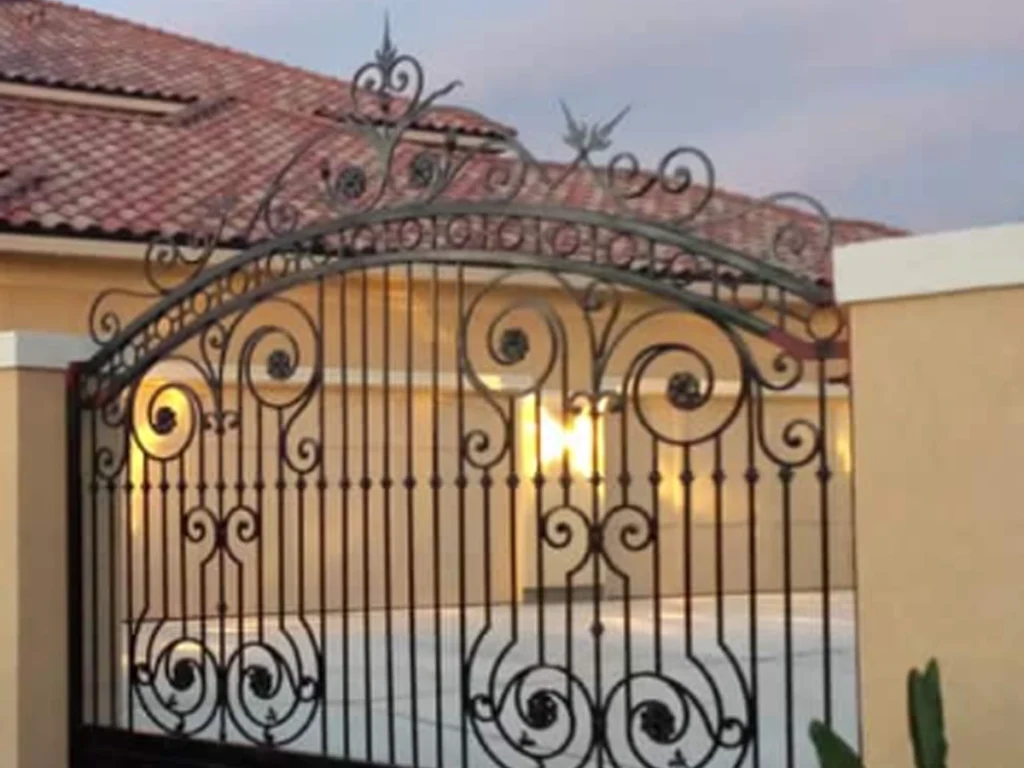
Therefore, the entrance to your property is much more than a boundary. It can shape how visitors, customers, residents, and buyers view the entire site.
A well planned entrance can make a property feel safer, more private, and more valuable. However, creating that result requires more than choosing an attractive gate from a catalog.
The best entrance combines appearance, movement, access, lighting, landscaping, materials, and safety. Each part should support the property’s style while meeting the owner’s daily needs.
For Houston property owners, local conditions add another important layer. Strong sunlight, heat, humidity, heavy rain, storms, and ground movement can affect how a gate looks and performs.
Consequently, the secret to creating a more impressive property entrance is thoughtful personalization. The gate should be designed around the property rather than forcing the property to fit a standard gate.
Everlast Gates & Fence helps Houston homeowners, community leaders, and business managers consider every part of that decision. The goal is to create an entrance that feels welcoming while providing dependable control and protection.
Key ideas covered in this guide include:
• Matching gate design with architecture, fencing, landscaping, and entrance dimensions
• Selecting materials and finishes suited to Houston weather and maintenance needs
AI Overview
An impressive property entrance combines beauty, security, privacy, convenience, and lasting function. The gate should match the property’s architecture, available space, traffic level, and desired access system.
Houston owners should also consider heat, rain, humidity, storms, drainage, and soil movement. A professional site review can reveal issues that are easy to miss during early design planning.
The strongest entrance plans usually include:
• A custom gate style that reflects the property
• Safe automation, lighting, drainage, and access features
Begin With the Purpose of Your Impressive Property Entrance
Every successful entrance project begins with one important question: what should the entrance achieve each day?
Some owners want stronger privacy from nearby roads. Others want controlled vehicle access, better visitor screening, or a more polished appearance.
However, most owners want several benefits at the same time. They want a gate that protects the property without making the entrance feel cold or unwelcoming.
Therefore, design decisions should begin with clear priorities. A homeowner may place beauty and privacy first, while a commercial manager may focus on traffic control and visitor records.
A community entrance may need to support hundreds of daily users. In contrast, a private estate may need a slower gate with detailed custom ironwork.
Consider these questions before selecting a style:
• Who will use the entrance, and how often will they enter?
• Which goals matter most: beauty, privacy, security, value, or convenience?
Defining the purpose early prevents expensive changes later. It also helps the designer recommend the right opening method, material, operator, and access technology.
For example, a beautiful swing gate may suit a wide private driveway. However, it may not work well where the driveway rises sharply or has little room.
Likewise, a sliding gate can save space and support frequent traffic. Yet it needs enough clear space beside the opening for safe movement.
The entrance should solve real problems while improving the property’s image. That balance is what turns a basic gate into a meaningful investment.
Match the Gate With the Property’s Architecture
A gate can be beautiful on its own and still look wrong for the property. Therefore, architectural harmony should guide the design.
The gate should appear connected to the home, office, apartment complex, or community behind it. Its lines, proportions, colors, and details should support the main building.
For example, clean horizontal lines can complement a modern home. Detailed ironwork may fit a traditional estate, while wood and metal can support a warm contemporary design.
Houston includes many property styles, from historic homes to modern commercial sites. As a result, custom design often produces a more natural appearance than a standard gate.
Review these visual elements:
• Roof lines, windows, columns, doors, masonry, and exterior colors
• Existing fences, walls, landscaping, lighting, and nearby structures
Proportion is especially important. A gate that is too short may feel weak beside a large home. Meanwhile, an oversized gate can make a smaller entrance feel crowded.
The opening pattern also affects the view. Solid panels add privacy but can appear heavy. Open metal designs preserve sight lines and may feel more welcoming.
Mixed materials provide another option. Wood can add warmth, while steel can create structure and strength. Together, they can connect natural landscaping with modern architecture.
Property owners exploring personalized Houston designs can review these unique custom gate ideas for Houston for further inspiration.
Choose Materials for Style, Budget, and Care
There is no single material that works best for every impressive property entrance. The right choice depends on style, budget, maintenance, privacy, and exposure.
Steel offers strength and broad design flexibility. It can support simple frames, decorative patterns, privacy panels, and large automated openings.
Iron provides a classic and refined appearance. It is often selected for estates, traditional homes, and properties where detailed craftsmanship matters.
Wood creates warmth and visual privacy. However, it usually needs consistent care to maintain its color, surface, and shape in Houston conditions.
Aluminum is lighter and resists corrosion well. Still, the correct frame, hardware, and construction method remain important for long term performance.
Compare each option carefully:
• Consider the desired appearance, weight, strength, and privacy level
• Review cleaning, coating, sealing, repair, and maintenance needs
Mixed material gates can offer an appealing balance. For example, a metal frame with wood panels can combine structural support with a softer residential appearance.
Finishes are equally important. Paint, protective coatings, sealants, and correct surface preparation can help the entrance retain its intended look.
Material selection should also account for gate size. A large, heavy gate can place greater demand on hinges, rollers, tracks, posts, and operators.
Therefore, every part must be planned as one system. Choosing attractive panels without considering their total weight can create movement and reliability problems later.
For a deeper comparison, property owners can read this guide to choosing the right material for gate fabrication.
Design Around Houston’s Demanding Conditions
Houston weather can test every part of an entrance. Heat, sunlight, humidity, rain, wind, flooding, and changing ground conditions should influence the plan.
Heavy rain can affect tracks, electrical parts, low mounted equipment, and drainage around the gate. Meanwhile, standing water can carry dirt into moving parts.
Flooding is the most common disaster in the United States, according to Ready.gov. Floods may result from rain, storms, storm surges, or overflowing water systems.
Humidity can also speed surface wear when metal preparation or coating is weak. Wood may expand, contract, fade, or absorb moisture without proper protection.
Strong sunlight can affect finishes, plastic parts, control boxes, and exposed wiring. Therefore, component placement and material quality matter greatly.
Houston planning should address:
• Drainage, equipment height, coating quality, and protected electrical connections
• Wind exposure, soil movement, post stability, and seasonal maintenance
Storm preparation is also important. Hurricanes can bring wind damage, flooding, and storm surge to coastal regions.
A gate should never be expected to resist every severe event without damage. However, careful design can reduce avoidable problems and support faster recovery.
The entrance grade should guide water away from tracks, operators, and control equipment when possible. Posts and foundations should also match site conditions and gate loads.
Furthermore, maintenance planning should begin during design. Easy access to hinges, rollers, controls, and drainage areas can make future service simpler.
Property owners can learn more about local concerns in this article explaining how Houston weather affects gate repair needs.
Select the Best Opening Style for the Site
The opening style affects appearance, traffic flow, safety, space, and daily convenience. Therefore, it should be chosen after measuring the actual entrance.
Swing gates create a formal and balanced look. Double swing designs can frame the entrance beautifully and support detailed custom work.
However, swing gates require clear movement space. Slopes, parked vehicles, landscaping, and public walkways can limit where they operate safely.
Sliding gates move beside the fence line. They can work well where driveway depth is limited or where frequent vehicle access is expected.
Cantilever systems may avoid ground tracks across the driveway. However, they need adequate side room and a properly designed support structure.
Consider these site factors:
• Driveway width, slope, turning space, side clearance, and traffic volume
• Fence alignment, landscaping, utilities, drainage, and pedestrian routes
The gate should also open quickly enough for the site’s needs. A private residence may accept a different opening speed than a busy commercial property.
Traffic should not back into a road while drivers wait for access. Likewise, vehicles should have enough room to stop safely before reaching the gate.
A professional site review can identify conflicts before fabrication begins. This step protects the design concept and helps avoid changes during installation.
Add Details That Make the Entrance Memorable
Personalization is often what separates an ordinary gate from a remarkable entrance. However, the best details feel connected rather than added without purpose.
Custom patterns can reflect the building’s lines, local character, or owner preferences. Monograms, geometric forms, and nature inspired shapes can add identity.
Columns can give the opening more visual weight. Stone, brick, stucco, or metal columns may also hold lighting, intercoms, keypads, and address features.
Lighting improves appearance after dark and can support safer entry. Fixtures should illuminate important areas without creating glare for drivers or nearby properties.
Powerful design details include:
• Balanced proportions, custom patterns, premium finishes, and clean hardware
• Coordinated columns, landscape lighting, fencing, and planting areas
Symmetry can create a formal look, although exact symmetry is not required for every property. Modern entrances may use intentional contrast or offset details.
Visible hardware should also match the design. Large hinges, exposed operators, loose wiring, and poorly placed controls can weaken an otherwise elegant entrance.
Hidden or neatly placed automation can preserve clean lines. Still, equipment must remain accessible for inspection and service.
Landscaping should frame the entrance without blocking sensors, equipment, driver views, or moving gate panels. Plants should also be chosen with mature size in mind.
The result should feel planned from the road to the property. Every feature should support the same visual story.
Combine Security With a Welcoming Appearance
Security does not require an entrance to resemble a fortress. In fact, thoughtful design can create clear boundaries while maintaining a warm appearance.
Open metal patterns allow visibility between the street and property. Solid sections can provide privacy where it matters most.
The gate height, spacing, latches, access points, and surrounding fence should work together. A strong gate provides little value when gaps remain beside it.
Lighting can improve visibility near keypads, intercoms, and pedestrian paths. It can also help residents and staff identify visitors more clearly.
A balanced security plan may include:
• Strong construction, suitable height, controlled access, and clear sight lines
• Lighting, intercoms, cameras, vehicle detection, and pedestrian controls
Access choices should reflect the people using the site. Keypads may suit regular users, while video intercoms can support visitor screening.
Smartphone access may help managers issue or remove permissions. Vehicle detection can improve exit flow, while visitor systems can create useful records.
However, technology should not be added simply because it is available. Each feature should address a clear need and remain simple enough for daily use.
Property owners considering connected entry features can explore Houston gate access control systems.
Make Safe Automation Part of the Design
Automatic gates bring convenience, but safety must guide the entire system. The operator, controls, sensors, gate structure, and surrounding area must work together.
UL explains that UL 325 addresses risks linked to electric gate operators, including electric shock, fire, casualty, and entrapment.
Therefore, property owners should not treat automation as a separate device added after the gate is built. The gate itself must move smoothly and remain suitable for automation.
Entrapment zones should be identified during planning. Sensors and protective devices must be selected and placed for the actual gate configuration.
Safe automation planning includes:
• Suitable operators, monitored protection devices, controls, and emergency access
• Smooth gate movement, protected wiring, clear zones, and professional testing
Children and pets should not play near any moving gate. Signs, user training, and regular checks can help reduce unsafe behavior.
Emergency access must also be considered. Commercial sites, communities, and some residential settings may have requirements related to fire department access.
The City of Houston publishes access gate guidance for required fire department access routes. Property owners should confirm which codes, permits, and reviews apply to their specific project.
No general article can determine every site requirement. Therefore, owners should consult qualified professionals and the proper local authorities before construction.
Plan for Every Type of Houston Property
Personalized entrances can benefit homes, estates, communities, apartments, commercial sites, and rural properties. Still, each property has different priorities.
Single family homes often need a balance of privacy, beauty, and simple access. The gate should fit daily routines without overwhelming the home.
Luxury estates may place greater focus on custom fabrication, lighting, columns, long approach views, and discreet automation.
Gated communities need reliable access for residents, guests, deliveries, service workers, and emergency responders. Traffic capacity and management tools become more important.
Commercial properties may require stronger visitor control, longer operating cycles, employee access, delivery planning, and reporting.
Property based priorities include:
• Residential beauty, privacy, family safety, and convenient daily operation
• Commercial traffic flow, accountability, durability, and controlled visitor access
Apartment and multifamily properties need systems that residents understand easily. Managers should also be able to update access without replacing large amounts of hardware.
Ranch or rural properties may need wider openings, solar options, long distance communication, or durable designs suited to large vehicles.
The best design is not determined by the property label alone. It comes from studying how the entrance is used throughout a normal day.
Avoid the Most Common Entrance Planning Mistakes
Many entrance problems begin long before installation. They often result from selecting a style before reviewing the site and daily needs.
One common mistake is choosing a gate based only on photographs. A design that works elsewhere may not suit the property’s slope, size, traffic, or architecture.
Another mistake is reducing early costs without considering future care. Weak hardware, unsuitable materials, or poor drainage can create repeated service needs.
Owners may also forget pedestrian access. As a result, people may walk through vehicle lanes or wait in unsafe locations.
Common mistakes include:
• Ignoring space, slope, drainage, soil, utilities, weather, and traffic
• Forgetting lighting, safe automation, visitor access, and future maintenance
Another issue is overdesign. Too many patterns, materials, colors, and technology features can make the entrance feel busy.
A simpler gate with strong proportions and carefully selected details may create a more impressive result than a highly decorated design.
Finally, owners should avoid copying another property exactly. Customization should respond to the building, site, and people who will use the entrance.
Follow a Clear Custom Entrance Process
A dependable process helps transform ideas into an entrance that works as intended. It also allows owners to make informed decisions before fabrication.
The first step is a site review. Measurements, slopes, clearances, traffic patterns, drainage, fence lines, and utilities should be considered.
Next, the owner and gate specialist should discuss goals. This conversation should cover style, privacy, access, materials, budget, and maintenance expectations.
The design can then be refined around real site conditions. Material samples, finish choices, access options, and gate movement should be reviewed clearly.
A complete process should include:
• Site review, measurements, design planning, and material selection
• Fabrication, installation, testing, user guidance, and maintenance planning
During installation, posts, foundations, tracks, hinges, rollers, and operators must align with the approved plan. Small errors can affect movement and appearance.
After installation, the gate should be tested through complete cycles. Safety devices, access controls, limits, emergency functions, and communication systems should also be checked.
Owners should receive clear guidance about normal operation. They should know what to inspect, when to request service, and how to respond when the gate behaves unusually.
This complete approach supports a better entrance and a more confident ownership experience.
Protect the Entrance With Consistent Care
Even a well designed entrance needs regular care. Maintenance protects appearance, movement, safety features, and access equipment.
Leaves, soil, and storm debris can collect around tracks, rollers, drains, sensors, and hinges. Therefore, visible areas should be checked after severe weather.
Metal surfaces should be watched for coating damage or early corrosion. Wood surfaces may need cleaning, sealing, or refinishing based on exposure.
Owners should also listen for new sounds. Grinding, scraping, shaking, or delayed movement can indicate a developing issue.
A practical care plan includes:
• Cleaning movement areas and checking surfaces, hardware, and drainage
• Testing access devices, safety sensors, lighting, and emergency functions
The gate should not be forced when it stops or moves unevenly. Continued operation can increase damage and create safety concerns.
Professional inspections can identify loose hardware, alignment changes, worn parts, electrical issues, and operator problems before failure occurs.
Maintenance also preserves visual quality. A clean, quiet, smoothly moving gate creates a stronger impression than one with faded panels or visible damage.
Conclusion: Create an Entrance With Lasting Impact
The secret to creating a more impressive property entrance is not one material, pattern, or technology feature. It is the thoughtful connection of every design choice.
The gate should match the architecture, support daily traffic, improve security, and reflect the owner’s preferred style. It should also account for Houston heat, rain, humidity, storms, drainage, and soil conditions.
Personal details can make the entrance memorable. However, those details should never weaken safe operation, practical access, or long term maintenance.
A successful project begins with accurate measurements and honest planning. It continues through custom design, suitable fabrication, careful installation, complete testing, and regular care.
Everlast Gates & Fence approaches Houston entrance projects by considering the complete property rather than focusing only on the gate panel.
That broader view helps homeowners, community leaders, and commercial managers create entrances that feel polished, secure, welcoming, and built for daily use.
Call Everlast Gates & Fence for a Custom Houston Entrance
Create an entrance that gives your Houston property a stronger first impression while improving privacy, security, and convenient access.
Contact Everlast Gates & Fence to discuss your property, design preferences, entrance layout, and access needs.
At Everlast Gates & Fence, we also offer reliable gate and fence services tailored to residential and commercial properties. Specializing in installing, repairing, and maintaining iron and wood gates and fences along with expert solutions for electric gates, automatic gates, sliding gates, and driveway gates. We also provide professional gate diagnostics, access control systems, customized designs, and comprehensive security enhancements to meet your unique needs and let us ensure your gates are in expert hands so you can enjoy safety, style, and convenience with complete peace of mind.
Phone: 832 664 7963
Location: 550 Greens Pkwy Suite 245, Houston, TX 77067
Before installation, confirm all permit, access, association, and site requirements that apply to your property.
Schema Ready Questions and Answers
1. What makes a property entrance look more impressive?
An impressive entrance uses balanced proportions, suitable materials, thoughtful lighting, and a gate that matches the property’s architecture. It should also feel clean and organized from the street. Custom details can add identity, but they should support the overall design rather than compete with the home, landscaping, fence, or building.
2. Which gate material is best for Houston properties?
No single material is best for every Houston property. Steel offers strength and design flexibility, while iron provides a classic appearance. Wood adds warmth and privacy, and aluminum offers lighter weight with corrosion resistance. The right choice depends on architecture, budget, gate size, maintenance expectations, privacy, and exposure to weather.
3. Should an impressive entrance include an automatic gate?
Automation can improve convenience, access control, and visitor management when it is planned safely. The gate structure, operator, controls, sensors, and protective devices must work as one system. Owners should select automation based on traffic, user needs, emergency access, and the property’s layout rather than appearance alone.
4. How can a gate match a home’s architectural style?
Designers can repeat lines, shapes, colors, materials, and details already found on the property. For example, a modern home may suit simple horizontal lines, while a traditional estate may support detailed ironwork. Gate size, panel spacing, columns, lighting, and finishes should also remain proportional to the building and entrance.
5. How does Houston weather affect custom gate design?
Houston heat, sunlight, humidity, rain, storms, and possible ground movement can affect materials, finishes, electronics, posts, and moving parts. A suitable design should consider drainage, corrosion protection, equipment placement, foundation needs, and maintenance access. Site specific planning helps reduce problems that standard gate designs may overlook.
6. Are sliding or swing gates better for an impressive entrance?
Both styles can create an impressive entrance when they fit the property. Swing gates offer a formal appearance but need clear driveway space. Sliding gates can save driveway depth but require enough side clearance. The best option depends on slope, opening width, traffic, fence alignment, landscaping, drainage, and available movement space.
7. Which access control features add the most value?
The most useful system usually combines features selected for the property’s users. Keypads, smartphone controls, video intercoms, remote devices, vehicle detection, and visitor management can each serve different needs. A private home may need simple access, while a community or business may require detailed permissions and visitor records.
8. How much customization should a gate design include?
Customization should be meaningful rather than excessive. A strong design may include a distinctive pattern, selected finish, coordinated columns, suitable lighting, and neatly placed automation. Every detail should connect with the property’s architecture and landscaping. Too many unrelated features can make an entrance feel crowded instead of refined.
9. What should happen before a custom gate is fabricated?
A professional should review measurements, driveway slope, movement space, drainage, traffic, utilities, fence alignment, and access needs. The owner should also discuss materials, finishes, privacy, automation, maintenance, and budget. This planning stage allows the final design to respond to real conditions before fabrication and installation begin.
10. Why choose professional entrance design and installation?
Professional planning helps connect appearance with safe movement, suitable materials, reliable access, and site conditions. It can reveal issues that are easy to miss, such as drainage conflicts, limited clearance, heavy gate loads, or unsafe access placement. A complete process also includes testing, user guidance, and future maintenance planning.
