


A Detailed Fort Worth Guide to Reliable Solar Gate Performance
Here is a fact that surprises many property owners. Solar panels alone do not always keep equipment working during a utility outage.
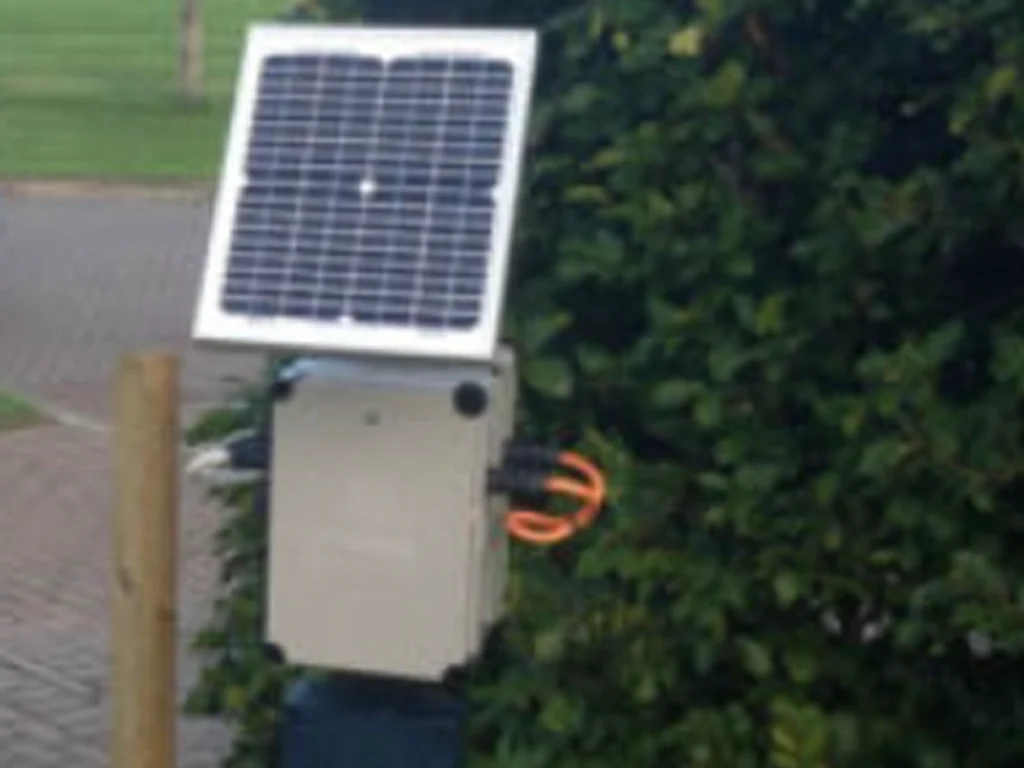
For reliable backup operation, a solar system normally needs suitable battery storage and controls that allow stored energy to serve the connected equipment. The United States Department of Energy explains that solar energy and storage work together because batteries hold energy for use when sunlight is unavailable.
That detail is vital when considering the effectiveness of solar energy in automatic gate operations.
An automatic gate must open whenever an approved resident, employee, delivery driver, or emergency responder needs access. Therefore, dependable operation matters more than simply installing a solar panel beside the entrance.
A properly planned system can offer smooth access, reduced dependence on utility power, and fewer trenching needs. It can also serve entrances located far from a practical electrical connection.
However, results depend on several connected factors.
The panel must collect enough energy. The battery must store enough power. The operator must suit the weight and movement of the gate. Moreover, the entire entrance must move without needless drag.
For that reason, solar gate planning should begin with the property rather than a standard equipment package.
Everlast Gates & Fence evaluates the complete entrance, including sunlight, gate use, operator demand, access controls, safety equipment, and expected weather exposure.
AI Overview
The effectiveness of solar energy in an automatic gate depends on correct system design rather than sunlight alone.
Solar panels create electrical power from sunlight. A charge controller then manages that energy and sends it toward the battery. The battery stores power so the gate can operate during evenings, cloudy periods, and other times with limited solar production.
The gate operator draws stored power whenever the entrance opens or closes. However, accessories also use energy. These accessories may include keypads, intercoms, card readers, vehicle detectors, photo eyes, warning devices, and wireless communication tools.
Therefore, an installer must consider the total electrical load.
Solar energy can be highly effective for residential driveways, rural properties, gated communities, and commercial entrances. It is especially useful when the gate sits far from the nearest utility connection.
Nevertheless, effective performance requires these conditions:
- The site receives suitable sunlight.
- The panel can meet expected energy demand.
- The battery has enough usable storage.
- The operator is matched to the gate.
- The gate moves freely and remains aligned.
- Safety devices are installed and maintained.
- Future access equipment is included in the power plan.
- The system receives routine professional care.
In simple terms, solar power is not a shortcut around good gate design. Instead, it is a power source that works best within a complete and carefully balanced system.
How Solar Energy Powers an Automatic Gate
Solar gate systems use photovoltaic technology to turn sunlight into electrical energy. Photovoltaic cells absorb energy from sunlight and convert it into electricity through semiconductor materials.
However, the panel does not normally power each gate movement directly.
Instead, the system usually charges a battery. That battery supplies steady power to the operator and related access equipment.
A basic solar gate system may include:
- One or more solar panels sized for the expected load
- A battery bank with enough capacity for planned use
- A charge controller that manages battery charging
- A gate operator designed for the gate type and weight
- Safety sensors and entrapment protection devices
- Access equipment such as remotes, keypads, or intercoms
This arrangement provides an important advantage. The gate may still operate when the sun is not shining because the battery supplies stored energy.
Even so, storage must be planned carefully. A small battery may work during normal sunny conditions but struggle after several cloudy days or unusual gate traffic.
Therefore, battery capacity should reflect more than average use.
A sound plan also considers busy periods, seasonal sunlight changes, accessory demand, battery aging, and a reasonable energy reserve.
Property owners exploring solar conversion can learn more through this guide to converting a Fort Worth driveway gate to solar power.
Why Solar Energy Can Be Highly Effective for Automatic Gates
The effectiveness of solar energy in automatic gate systems comes from the relatively focused task the system performs.
Unlike a home solar system, a gate does not need to power every appliance inside a building. Instead, it supplies a defined operator, its controls, and its safety equipment.
A correctly selected operator uses power during each movement and may use smaller amounts while waiting for an access command. As a result, a properly sized solar system can support regular gate activity.
Key benefits include:
- Reliable power for entrances located away from buildings
- Less dependence on long underground electrical runs
Solar power can be especially practical when extending utility wiring would require extensive trenching. Long electrical routes may involve landscaping, pavement, driveways, drainage areas, or other site features.
Avoiding that work may reduce disruption. It may also make automatic access practical in areas where a conventional connection would be difficult.
In addition, battery storage can improve resilience.
The Department of Energy notes that solar combined with storage can provide energy when direct solar production is unavailable. However, the equipment must be configured correctly for backup operation.
Therefore, property owners should not assume every solar product delivers the same level of outage support.
The Most Important Factor Is Proper System Sizing
A solar gate can perform well only when the energy supply matches the complete operating load.
Panel size matters because the panel must replace energy removed from the battery. However, panel capacity alone does not determine success.
The installer must also review:
- How much energy each full opening cycle requires
- How many cycles the gate completes during a normal day
A private residential gate may open only several times daily. In contrast, an apartment entrance, storage facility, office property, or commercial site may experience much heavier traffic.
Higher traffic means higher energy demand.
Gate type also changes demand. A light, balanced sliding gate does not place the same load on an operator as a large ornamental swing gate exposed to wind.
Likewise, worn rollers, damaged hinges, poor alignment, and track debris can increase resistance. The operator then works harder and draws more energy.
A detailed load review should include:
- Gate weight and length
- Opening style and travel distance
- Daily and peak access cycles
- Operator starting and running demand
- Standby power use
- Safety sensor requirements
- Keypad, intercom, and communication loads
- Expected cloudy weather reserve
This full review supports better equipment selection. It also reduces the chance of choosing a system that works during a demonstration but becomes unreliable during everyday use.
Battery Capacity Determines Night and Cloudy Day Performance
The battery is one of the most important parts of a solar automatic gate.
It stores daytime solar production and supplies power when the gate receives an access request. Therefore, battery condition directly affects opening speed, operating force, and system reliability.
A weak or undersized battery may cause several problems.
- The gate may move slowly or stop before completing travel.
- The operator may show low voltage faults or reset unexpectedly.
These issues do not always mean solar energy is unsuitable. Instead, they may show that storage capacity, charging performance, or system demand needs professional review.
Battery planning should consider normal daily demand and reserve capacity. It should also account for natural performance loss as batteries age.
In addition, extreme temperatures can affect battery behavior. Equipment placement should follow the manufacturer’s environmental and ventilation requirements.
A battery enclosure must also protect components from water, physical damage, pests, loose connections, and unauthorized access.
Therefore, the battery should never be treated as an afterthought.
Sun Exposure and Panel Placement Shape Daily Output
A solar panel needs direct access to useful sunlight.
A panel placed in open sun during one season may become shaded during another. Trees change throughout the year, while nearby construction may create new shadows.
For that reason, installers should examine the entire solar window.
Important placement checks include:
- Morning and afternoon sun exposure
- Shade from trees, walls, roofs, signs, and poles
A small amount of shade at the wrong time may reduce charging. Dirt, leaves, pollen, bird waste, and storm debris can also block light from reaching the panel surface.
Panel direction and angle also matter. The best position depends on the site, equipment requirements, and local solar conditions.
The National Renewable Energy Laboratory uses location based solar resource data when estimating photovoltaic performance. Its models account for factors such as solar irradiance, orientation, and tilt.
Although a gate system is smaller than a building installation, the same basic principle applies. Local site conditions affect solar production.
Therefore, panel placement should be based on observation and calculation rather than convenience alone.
Gate Condition Has a Direct Effect on Solar Efficiency
A solar system cannot correct mechanical gate problems.
If a gate binds, drags, sags, or rolls poorly, the operator must use more energy. This added demand can reduce the number of cycles available from the battery.
Mechanical resistance can come from many sources.
- Worn rollers or damaged bearings
- Bent tracks or debris in the travel path
For swing gates, worn hinges may cause the gate to drop or move unevenly. Wind pressure may also increase operator demand on large solid panels.
For sliding gates, wheel condition and track alignment are critical. Even a powerful operator may struggle when the gate does not move freely by hand.
Therefore, a professional review should begin with the gate itself.
The technician should inspect alignment, hardware, travel, stops, and physical balance. Necessary repairs should be completed before calculating final solar demand.
This approach protects the operator and improves energy efficiency. It can also extend the service life of several system components.
Fort Worth property owners can review additional planning considerations in this beginner guide to solar panel gates.
Automatic Gate Safety Must Remain a Core Priority
Solar power does not change the need for proper automatic gate safety.
An automatic gate is moving machinery. Therefore, its installation should include suitable protection against entrapment, impact, crushing, and other hazards.
UL Solutions identifies UL 325 as the primary safety standard for powered gate and door operators. The standard addresses risks associated with automated movement, including entrapment.
A safe system may require:
- Monitored photo eyes positioned for the entrance layout
- Contact edges or other approved protection devices
The exact protection plan depends on the gate type, operator, movement zones, site layout, and manufacturer instructions.
Safety equipment also adds electrical demand.
Although each sensor may use limited power, the complete load must still be included when sizing the panel and battery. Ignoring standby equipment can lead to an inaccurate energy estimate.
Furthermore, safety devices require routine testing.
A gate should stop or reverse as designed when a monitored protection device detects an obstruction. Manual release functions should also remain accessible and operational.
No energy saving goal should weaken gate safety.
Solar Gates Can Support Modern Access Control
Many Fort Worth property owners want more than a basic remote controlled gate.
They may want keypads, telephone entry, video intercoms, card readers, mobile access, vehicle detectors, or remote monitoring.
Solar energy can support these features when the system is designed for their combined load.
Two planning details are important:
- Some access devices draw power continuously while waiting for use.
- Communication equipment may require stable voltage for dependable service.
Therefore, the installer should identify every planned device before final equipment selection.
Future upgrades should also be considered. A system sized only for the current operator may have limited capacity for a later video intercom or cellular access controller.
For properties considering connected entry tools, this Fort Worth guide to gate intercom systems and home securityoffers useful context.
Modern access controls can improve convenience and visitor screening. However, each feature should fit within a unified power, security, and safety design.
Which Fort Worth Properties Benefit Most
Solar automatic gates can work across many property types. However, some sites gain greater practical value than others.
Strong candidates often include:
- Large residential lots with entrances far from the home
- Rural or ranch style properties with limited grid access
Commercial properties may also benefit when a remote entrance needs controlled access without a long electrical route.
Gated communities can use solar power when the entrance receives enough sunlight and the expected traffic is included in system sizing. However, high cycle demand may require larger panels, greater storage, or another power strategy.
New construction projects provide another opportunity. Solar planning can be included before driveways, walls, landscaping, and access equipment are finalized.
The best candidates usually share several traits:
- Clear solar exposure
- Predictable gate activity
- A mechanically sound gate
- Space for secure equipment placement
- A need to avoid extensive utility work
- A commitment to routine maintenance
Still, solar should not be chosen only because the site is sunny. The full operating profile must support the decision.
Solar Performance During Outages and Severe Weather
One major reason property owners consider solar is continued access during grid outages.
A stand alone solar gate with adequate battery storage does not depend on an active utility connection for every movement. Therefore, it may continue working when utility service is interrupted.
However, actual outage performance depends on stored energy.
The system must have enough reserve for expected traffic, access controls, safety devices, and any period of weak charging.
During an outage, frequent unnecessary gate cycles can drain the battery faster. Heavy storm clouds and debris covering the panel may also slow recovery.
A strong resilience plan may include:
- Battery capacity for more than average daily demand
- A clear process for reducing unnecessary gate cycles
Property managers should also understand the manual release process. Staff or responsible residents should know how to use it safely when professional service is required.
Solar power can improve resilience, but it does not remove the need for emergency planning.
Common Reasons Solar Automatic Gates Perform Poorly
When a solar gate delivers weak performance, the cause is often a mismatch somewhere in the system.
Common causes include:
- A panel that cannot replace daily battery use
- A battery that is too small, damaged, or near the end of service life
Shade is another common problem. A panel may appear to receive enough sun, yet nearby branches may block its strongest charging period.
Increased traffic can also create trouble. A gate designed around ten daily cycles may not support forty cycles after a property use change.
Other causes include:
- Loose, corroded, or damaged wiring
- Poor panel orientation
- Dirty panel surfaces
- Mechanical gate resistance
- Added access devices not included in the original load plan
- Faulty charging controls
- Incorrect operator settings
Warning signs may include slower travel, incomplete closing, repeated low voltage alerts, control resets, or a noticeable decline after cloudy days.
These signs deserve prompt attention. Continuing to operate a struggling system can place stress on the battery and operator.
Maintenance That Protects Long Term Performance
Solar gate maintenance should cover both electrical and mechanical components.
A complete visit should not focus only on wiping the panel.
Important tasks include:
- Cleaning the panel without damaging its surface
- Checking charging voltage and battery condition
Technicians should also inspect wiring, terminals, enclosures, sensors, hinges, rollers, tracks, stops, and the operator.
Trees and new structures should be checked for growing shade. Access equipment should be tested under normal operating conditions.
Recommended maintenance frequency depends on the gate, equipment, traffic, environment, and manufacturer guidance.
Busy commercial gates may require more frequent service than a lightly used residential entrance.
Property owners should also report changes quickly.
A new sound, slower movement, repeated reversal, or delayed response may indicate developing resistance or power loss. Early service may prevent a larger failure.
For broader care guidance, see these Fort Worth electric gate maintenance recommendations.
Understanding Cost and Long Term Value
Solar automatic gate costs depend on the existing gate, desired operator, panel size, battery capacity, controls, safety equipment, and installation conditions.
Therefore, a reliable estimate requires a site review.
Solar may reduce or remove the need for a long utility trench. That avoided construction can add meaningful value when the entrance is far from existing electrical service.
However, batteries are service items. They do not last forever, and replacement should be included in long term planning.
Owners should compare more than the initial equipment price.
A useful evaluation includes:
- Electrical trenching and restoration costs
- Solar equipment and installation costs
It should also include battery replacement, preventive maintenance, access control needs, expected daily use, and the value of continued access during outages.
The cheapest package is not always the least costly solution.
An undersized system may produce repeated service calls, battery damage, operating delays, and security concerns. A properly planned system can offer better value because it supports the actual entrance.
How Everlast Gates & Fence Evaluates Solar Gate Projects
A professional solar gate review should follow a clear process.
First, the team examines the entrance and listens to the property owner’s goals.
Next, the gate is checked for safe and smooth movement. The site is then reviewed for sunlight, panel placement, weather exposure, and secure equipment locations.
A thorough evaluation considers:
- Gate size, weight, style, and condition
- Operator type and expected operating force
The review should also cover normal traffic, peak traffic, access accessories, safety devices, communication equipment, and future upgrades.
After that, the installer can recommend the panel, storage, operator, and controls that fit the project.
This method avoids generic recommendations.
Everlast Gates & Fence serves residential and commercial properties throughout the Dallas and Fort Worth area with automatic gate installation and repair services. Its published service information includes automatic gate, operator, access, and safety considerations.
A Practical Example for Fort Worth Decision Makers
Consider a large Fort Worth property with an entrance located far from the main building.
The owner wants remote access, a keypad, safety photo eyes, and dependable operation during utility interruptions. Running new electrical service would require trenching across a finished driveway and landscaped ground.
Solar may be a strong option.
However, the installer should not begin by choosing a panel from a standard package.
The process should first determine:
- How many vehicles enter during normal and busy days
- Whether the gate moves freely under expected wind conditions
The installer should then calculate the operator and accessory demand, review sunlight, select reserve storage, and plan maintenance access.
Suppose future video entry is also expected. That added load should be included now, even when the camera will be installed later.
This example shows why professional design matters.
The solar panel is only one part of the result. The gate, operator, battery, controls, safety devices, and site must function together.
Is Solar Energy Effective for Every Automatic Gate
Solar is not automatically the best choice for every property.
A heavily shaded entrance may not receive enough dependable sunlight. A very high traffic gate may need a larger system than the available installation area can support.
Likewise, a gate with major mechanical defects should be repaired before any solar conversion.
Solar may be less suitable when:
- Buildings or mature trees create severe shade
- Daily gate traffic greatly exceeds practical storage capacity
Even in those cases, a professional may identify another panel location, a larger battery bank, improved gate hardware, or a different power arrangement.
The correct answer should come from site evidence.
A qualified recommendation should never promise reliable performance without reviewing sunlight, demand, gate condition, and equipment requirements.
Final Assessment of Solar Energy Effectiveness
The effectiveness of solar energy in automatic gate operations can be high when the entire system is designed correctly.
Solar power can support smooth daily operation, outage resilience, modern access controls, and remote entrances. It can also reduce the need for disruptive electrical trenching.
Nevertheless, success depends on balance.
The panel must replenish daily use. The battery must provide suitable reserve. The operator must match the gate. Safety devices must remain active. The gate must move with little resistance.
In addition, routine maintenance must protect every component.
For Fort Worth homeowners, businesses, ranch properties, and community decision makers, solar energy is not simply an environmental upgrade. It can be a practical access and security solution.
However, professional planning matters more than simply adding a panel.
Schema Ready Frequently Asked Questions
1. How effective is solar energy for an automatic gate?
Solar energy can be highly effective when the panel, battery, operator, and access devices are sized for the property. A professional must review sunlight, gate weight, traffic, safety equipment, and reserve needs. When these elements are balanced, solar power can support reliable daily access without a standard utility connection at the entrance.
2. Will a solar automatic gate work during cloudy weather?
A solar gate can work during cloudy weather because its battery stores energy for later use. However, performance depends on battery capacity, panel output, daily gate cycles, and the length of reduced sunlight. A properly designed system includes reserve capacity rather than relying only on ideal sunny conditions.
3. Can a solar gate work during a power outage?
A stand alone solar gate may continue operating during a utility outage because it uses solar charged battery power. However, available operating time depends on stored energy and gate use. Access controls and safety devices also consume power, so the complete system load must be included during planning.
4. How many times can a solar gate open each day?
There is no single cycle number that applies to every system. Capacity depends on the operator, gate weight, battery size, panel output, mechanical condition, and connected accessories. A professional installer should estimate normal and peak cycles, then select equipment with enough reserve for less favorable weather.
5. Does a solar automatic gate require maintenance?
Yes. The panel should remain clean and free from shade, while batteries, wiring, controls, sensors, hinges, rollers, and tracks require inspection. Maintenance helps prevent energy loss and mechanical strain. The service schedule should follow equipment guidance and reflect the gate’s traffic, environment, and operating demands.
Conclusion
Solar energy can provide a dependable and efficient power source for automatic gates throughout Fort Worth.
Still, dependable results do not come from the panel alone. Proper battery storage, suitable equipment, safe installation, clear sunlight, smooth gate movement, and ongoing care are equally important.
When these elements work together, solar power can support security, convenience, resilience, and flexible gate placement.
Everlast Gates & Fence can evaluate the full entrance and recommend a system based on actual site needs. This professional approach helps property owners avoid weak charging, low battery capacity, unnecessary operator strain, and poor long term performance.
Call Everlast Gates & Fence for a Solar Gate Assessment
Contact Everlast Gates & Fence to discuss solar power for an existing or planned automatic gate in Fort Worth.
At Everlast Gates & Fence, we also offer reliable gate and fence services tailored to residential and commercial properties. Specializing in installing, repairing, and maintaining iron and wood gates and fences along with expert solutions for electric gates, automatic gates, sliding gates, and driveway gates. We also provide professional gate diagnostics, access control systems, customized designs, and comprehensive security enhancements to meet your unique needs and let us ensure your gates are in expert hands so you can enjoy safety, style, and convenience with complete peace of mind.
Contact us at Phone: (682) 299-6114
Location: 6850 Manhattan Blvd Suite 300-16, Fort Worth, TX 76120.
